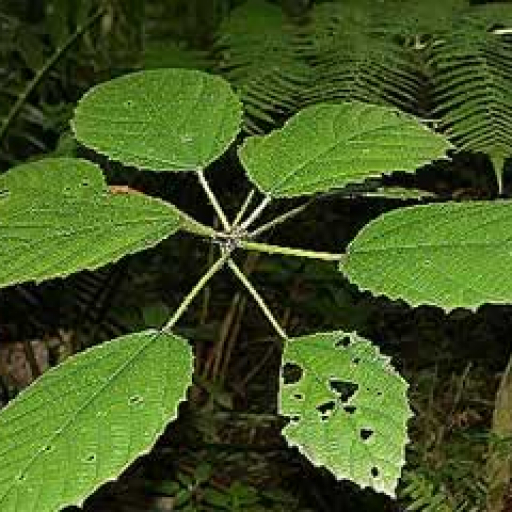
Plant Overview
Known famously as the "Scratchbush" or "Ortiga Brava," Urera baccifera is the heavyweight champion of the tropical nettle family. Native to the lush rainforests of Central and South America, this plant is legendary for its formidable defenses. While it may look like a lush, ornamental shrub, it is widely respected (and avoided) by hikers and gardeners alike for its potent "bite."
🔍 How to Identify
- 💉 Stinging Trichomes: The most distinct feature is the forest of translucent, needle-like stinging hairs covering the stems and leaf undersides. They look like tiny glass spines ready to shatter on contact.
- 🍃 Broad, Toothed Leaves: The leaves are large, vibrant green, and heart-shaped with deeply serrated (toothed) edges, often reaching the size of a dinner plate.
- 🍒 Pearl-like Berries: It produces striking clusters of small, fleshy fruit that look like white or pinkish-purple bubbles. These "berries" are actually modified sepals that protect the seeds.
🏡 In Your Garden & Landscape
- 🛡️ The Living Fence: In its native range, farmers often plant Urera baccifera as a "natural barbed wire." It grows quickly and creates an impenetrable thicket that keeps both livestock and intruders at bay.
- 💧 Thirsty and Fast: This plant thrives in high-humidity environments and disturbed soils. It is a pioneer species, meaning it is one of the first to colonize forest clearings, using its rapid growth to shade out competitors.
⚠️ Safety & Toxicity
- 🚫 Severe Skin Irritant: Contact with the stinging hairs injects a cocktail of formic acid and other chemicals into the skin. This causes an immediate, intense burning sensation followed by a painful, itchy rash that can last for hours.
- 🐾 Danger to Pets: The stinging hairs are sharp enough to penetrate fur. Keep curious dogs and cats away, as contact with the mouth or paws can cause significant distress and inflammation.
- 🧤 Protection Required: Never handle this plant without thick, puncture-proof gardening gloves and long sleeves.
✨ Fun Fact
Despite its painful reputation among humans, the Scratchbush is a sanctuary for wildlife! It is a primary host plant for many tropical butterfly species, and birds are completely immune to the stings—they love to feast on the juicy, pearl-like berries, helping the plant spread its seeds throughout the jungle.

Detailed Care Instructions
To grow Urera baccifera, also known as the Stinging Nettle, you can follow these steps:
- Choose a suitable location: Urera baccifera prefers moist, shaded areas such as forest edges or stream banks. Ensure the area has well-draining soil.
- Obtain seeds or propagate from cuttings: You can collect seeds from mature plants or purchase them from a reputable nursery. Alternatively, you can propagate new plants from stem cuttings.
- Prepare the soil: Create a loose and fertile soil bed. Incorporate organic matter such as compost or well-rotted manure to improve soil texture and nutrient content.
- Plant the seeds or cuttings: If using seeds, plant them at a depth of one-fourth inch and lightly cover with soil. If using cuttings, plant them about 2-3 inches deep in the soil.
- Water regularly: Keep the soil consistently moist but not waterlogged. Water the plant regularly, especially during dry spells, to ensure adequate hydration.
- Provide shade: Urera baccifera thrives in partial shade. If planting in a sunny area, consider providing natural shade, such as under a tree or by using shade cloth.
- Control weeds: Remove any competing weeds around the plant to prevent them from choking its growth. Mulching can help suppress weed growth.
- Prune if necessary: If the plant becomes too dense or overgrown, you can selectively prune it to maintain the desired shape and size.
- Protect from extreme temperatures: Stinging Nettle is sensitive to extreme temperatures. If you live in an area with severe heat or cold, consider providing extra protection like a shade cover or a temporary greenhouse.
- Keep an eye out for pests or diseases: Monitor the plant for any signs of pests or diseases such as aphids or fungal infections. Take appropriate measures, such as using organic insecticides or fungicides, to control the problem if it arises.
Remember, Urera baccifera is a native species in many regions, so ensure it is not classified as an invasive species in your area. Respect local regulations and guidelines regarding its cultivation.

Place in a window with dappled sun or a spot in the middle of a room. Or directly in a window facing west or east.

To water this plant, you should first consult its specific watering needs. Typically, you should water it when the soil feels dry to the touch, but avoid letting the soil dry out completely. When watering, be sure to thoroughly saturate the soil, but avoid letting the water pool on the surface or sit in a saucer or tray. Additionally, you may want to consider using a soil moisture meter or checking the weight of the plant to determine when it needs watering. Finally, be mindful to not overwater the plant, as this can lead to root rot or other issues.
To fertilize your plant, use a slow-release fertilizer once a month during the growing season. Dilute the fertilizer with water according to the manufacturer's instructions and apply around the base of the plant. Avoid getting fertilizer on the leaves or stem as this can cause damage. You can also use a liquid fertilizer diluted in water every two weeks during the growing season for faster results. Make sure to provide your plant with enough water before and after fertilizing to avoid burning the roots.
Urera Baccifera plant prefers well-draining soil with a pH level of around 6.0 to 7.0. The soil should be moist but not waterlogged, as excessive moisture can cause root rot. It is recommended to use a mix of loam and organic matter, such as compost or peat moss, to ensure good drainage and nutrient retention in the soil. Avoid using heavy clay soils or soils that are rich in nitrogen, as this can encourage excessive foliage growth at the expense of flowers and berries. Regular fertilization with a balanced fertilizer can also promote healthy growth and fruiting.
To propagate this plant, you will need to take stem cuttings. Select healthy, mature stems and cut them at a 45 degree angle with a clean, sharp pair of pruning shears. Make the cut just below a leaf node. Remove any leaves from the bottom 2/3 of the stem, leaving a small cluster of leaves at the top.
Dip the cut end of the stem in rooting hormone powder and plant it in a pot filled with moist, well-draining soil. Cover the pot with a plastic bag or dome to create a humid environment for the cutting. Place the pot in a bright, but indirect light location and keep the soil moist, but not waterlogged.
Check the cutting regularly for signs of roots by gently tugging on it. Once it has rooted, you can transplant it into a larger pot or into your garden. Keep in mind that this plant prefers a warm, humid environment and needs plenty of water to thrive.








