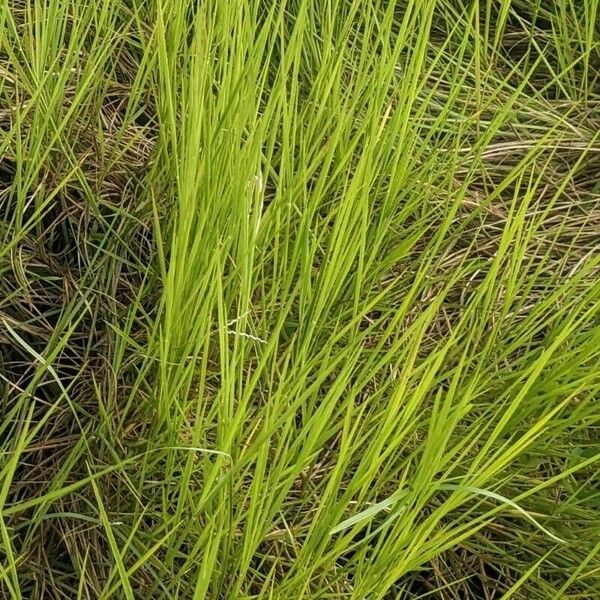
Plant Overview
Often called Corona Grass or Fine-leaf Signal Grass, Urochloa dictyoneura is a resilient perennial native to the sprawling savannas of Tropical and Southern Africa. Known for its ability to weave thick, emerald-green carpets, it has traveled the globe as a reliable forage crop and a silent guardian against soil erosion. It is a plant that prioritizes endurance over showy blooms, thriving in sun-baked landscapes where more delicate grasses might wither.
🔍 How to Identify
- 🚩 The "Signal" Inflorescence: The flowering head features several branches (racemes) arranged along a central stalk, resembling old-fashioned railway signals or flags waving in the breeze.
- 🕸️ Net-Like Veins: The species name dictyoneura literally translates to "net-veined," referring to the intricate, reticulated pattern visible on the tiny husks surrounding the seeds.
- 🌱 Creeping Stolons: It grows in dense tufts but also sends out horizontal runners (stolons) that root firmly at the joints, allowing it to "walk" across the ground and cover bare patches.
🏡 In Your Garden
- 🧱 Erosion Warrior: Because of its aggressive and deep rooting system, this grass is a top choice for stabilizing slopes or embankments. It holds the earth together like biological rebar, preventing soil loss during heavy rains.
- ☀️ Drought Endurance: It is incredibly tough once established. It prefers well-drained soil and can handle high acidity, though it performs best in regions with a distinct wet and dry season.
- ✂️ Vigorous Growth: Be mindful that its "creeping" nature makes it very competitive. In a small garden, it may attempt to crowd out slower-growing ornamental plants if not edged regularly.
⚠️ Safety & Toxicity
- ✅ Safe for Livestock: This plant is a primary source of nutrition for cattle and sheep in many parts of the world, making it generally safe for domestic animals.
- 🐾 Pet Friendly: There are no known toxicities for dogs or cats; however, like most grasses, the seed heads can occasionally get stuck in long fur or between paw pads.
✨ Fun Fact
- 🧬 Natural Clones: Many species in the Urochloa genus are "apomictic," meaning they can produce seeds without fertilization. This allows the plant to create perfect genetic clones of itself, ensuring its survival even if pollinators are scarce!

Detailed Care Instructions
Urochloa dictyoneura, commonly known as the "Pangola grass," is a tropical perennial grass that is primarily used for pasture and forage due to its high nutritional value. Here are some guidelines to help you grow Urochloa dictyoneura successfully:
1. Soil Preparation:
- Soil Type: Urochloa dictyoneura grows best in well-drained, fertile soils. It prefers sandy or loamy soils, but it can adapt to a variety of soil types.
- pH Level: Aim for a soil pH between 5.5 and 7.0.
- Tillage: Clear the area of weeds and debris prior to planting. Tilling the soil will help improve aeration and drainage.
2. Propagation:
- Seed or Vegetative Propagation: Urochloa dictyoneura can be sown from seeds or by planting vegetative cuttings (tillers). For seeds, ensure they are fresh and of high quality.
- Seeding Rate: If planting from seed, use 5 to 10 kg of seed per hectare, broadcasting or drilling them into the soil.
- Timing: The best time for planting is during the rainy season or when there is adequate moisture.
3. Planting:
- Plant the seeds or cuttings about 1 to 2 cm deep.
- Ensure proper spacing: If planting cuttings, ensure about 30-50 cm spacing between plants to allow for growth and spread.
4. Watering:
- Urochloa dictyoneura requires well-drained soil but should also have consistent moisture, especially during the establishment phase. However, be cautious of waterlogging.
5. Fertilization:
- Conduct a soil test to determine nutrient needs.
- Generally, applying nitrogen, phosphorus, and potassium (NPK) fertilizers based on soil test recommendations is beneficial. A common practice is to apply 100-150 kg of nitrogen per hectare annually.
6. Weed and Pest Management:
- Regularly monitor the field for weeds and pests.
- Use appropriate cultural practices, mechanical control, or, if necessary, herbicides and pesticides, following a sustainable management plan.
7. Mowing and Grazing:
- Regular mowing or controlled grazing helps maintain the health and vigor of the grass. Avoid overgrazing to allow the plants time to recover.
8. Harvesting:
- Urochloa dictyoneura can be cut for hay or silage, or grazed directly by livestock.
- Ideal grazing height is around 15-30 cm, which helps maintain plant health and regrowth.
9. Pest and Disease Monitoring:
- While it is relatively resilient, monitor for any signs of pests or diseases and manage accordingly.
10. Rotation and Management:
- Implement rotational grazing or cropping practices to maintain soil fertility and reduce pests and disease pressures.
By following these steps, you can successfully grow Urochloa dictyoneura as a nutritious forage crop! Always adapt practices based on specific local conditions and climate.
To properly water Urochloa dictyoneura, follow these guidelines:
- Soil Moisture Monitoring: Ensure the soil remains consistently moist but not waterlogged. Use a moisture meter or check the top inch of soil with your finger. If it feels dry at this depth, it’s time to water.
- Watering Technique: Apply water evenly around the base of the plant. Use a watering can or a hose with a gentle spray to avoid displacing the soil. Water at the soil level rather than on the foliage to prevent disease.
- Frequency: During the growing season, water more frequently, typically every 3 to 7 days, depending on environmental conditions such as temperature, humidity, and light exposure. Reduce watering in the dormant season.
- Amount of Water: Ensure thorough watering, allowing the water to penetrate deep into the root zone. This typically means applying water until it begins to drain from the bottom of the pot or saturating the soil to a depth of about 6-12 inches in garden beds.
- Timing: Early morning is the best time to water, as this allows excess moisture to evaporate before evening, reducing the risk of fungal diseases. If watering in the afternoon, avoid the hottest part of the day to minimize evaporation.
- Environmental Considerations: Adjust watering practices based on rainfall and seasonal changes. Prolonged wet conditions can lead to root rot, while drought stress can severely affect growth.
- Water Quality: Use clean, non-chlorinated water when possible. Rainwater is a great option, as it is free of chemicals found in tap water.
- Fertilization: If fertilizing, be mindful not to over-fertilize, as this can lead to increased water needs. Ensure that fertilizers used are water-soluble to be effectively utilized during watering.
By adhering to these guidelines, you can promote healthy growth and minimize potential stress on Urochloa dictyoneura plants.
Fertilizing Urochloa dictyoneura effectively involves understanding its growth requirements and the specific nutrient needs. Here are detailed instructions:
- Soil Testing: Before applying any fertilizer, conduct a soil test to determine nutrient levels and pH. This will help tailor the fertilization program to the specific needs of your soil.
- Fertilizer Type:
- Use a balanced fertilizer with an N-P-K ratio suitable for grasses. A general recommendation is a ratio of 10-10-10 or similar.
- Alternatively, a fertilizer high in nitrogen may be beneficial, particularly during the growing season.
- Use a balanced fertilizer with an N-P-K ratio suitable for grasses. A general recommendation is a ratio of 10-10-10 or similar.
- Application Rate:
- Apply approximately 0.5 to 1 pound of nitrogen per 1,000 square feet per season, depending on soil test results and growth conditions.
- Follow the manufacturer's instructions for the specific product you choose, as concentrations may vary.
- Apply approximately 0.5 to 1 pound of nitrogen per 1,000 square feet per season, depending on soil test results and growth conditions.
- Timing:
- Fertilize during the active growing season, typically in spring and again in early summer.
- If using slow-release fertilizers, a single application may suffice at the beginning of the growing season.
- Fertilize during the active growing season, typically in spring and again in early summer.
- Method of Application:
- Evenly distribute the fertilizer across the planting area.
- For granular fertilizers, use a drop or broadcast spreader for uniform application.
- If using liquid fertilizers, ensure even coverage by using a sprayer.
- Evenly distribute the fertilizer across the planting area.
- Watering:
- Water the area thoroughly after fertilizing to help the nutrients penetrate the soil and reach the root system.
- Avoid fertilizing during excessively wet or dry conditions to prevent runoff or imbalanced nutrient uptake.
- Water the area thoroughly after fertilizing to help the nutrients penetrate the soil and reach the root system.
- Monitoring Growth:
- Observe the plant’s growth and color. If you notice yellowing leaves or stunted growth, it may indicate a nutrient deficiency, which could necessitate additional fertilization.
- Observe the plant’s growth and color. If you notice yellowing leaves or stunted growth, it may indicate a nutrient deficiency, which could necessitate additional fertilization.
- Adjustments:
- Based on the plant's response and any additional soil tests, adjust the type and amount of fertilizer used in future applications.
By following these guidelines, you can promote healthy growth and development in Urochloa dictyoneura while optimizing nutrient uptake.
- Based on the plant's response and any additional soil tests, adjust the type and amount of fertilizer used in future applications.
Urochloa dictyoneura is a species of grass that typically thrives in well-drained soils. Here are some specific soil characteristics to consider when cultivating this plant:
- Soil Type: Ideally, a sandy loam to clay loam is recommended. This range helps ensure proper drainage while retaining adequate moisture.
- pH Level: The plant prefers a slightly acidic to neutral pH, generally in the range of 5.5 to 7.0. Regular soil testing can help you adjust pH levels if necessary.
- Organic Matter: Incorporating organic matter, such as well-rotted compost or leaf mold, can improve soil structure, water retention, and nutrient availability. Aim for about 5% to 10% organic content in the soil mix.
- Nutrient Content: A balanced nutrient profile is essential. A soil test can help determine the nutrient status. Generally, phosphorus and potassium are important for promoting healthy growth, while nitrogen can support vigorous leaf development.
- Moisture Retention: Ensure the soil has good moisture retention capabilities without becoming waterlogged. A mix that retains moisture while allowing excess water to drain away is ideal.
- Soil Aeration: The soil should allow for sufficient aeration, which is important for root development. Avoid compacted soils; incorporating aerating materials like perlite or coarse sand can help achieve this.
In summary, focus on a well-drained, nutrient-rich, and slightly acidic to neutral soil with good moisture retention and aeration for optimal growth of Urochloa dictyoneura.
Urochloa dictyoneura, a perennial grass, can be propagated through several methods, primarily by vegetative propagation, as well as through seed. Here’s a detailed guide on how to propagate it:
Vegetative Propagation
- Division of Clumps:
- Timing: The best time to propagate through division is during the growing season, preferably in spring or early summer when the plant is actively growing.
- Procedure:
- Carefully dig up a mature clump of the plant, ensuring that you minimize root disturbance.
- Use a sharp, clean knife or spade to divide the clump into smaller sections, each containing several healthy shoots and roots.
- Replant the divisions immediately at the same depth they were previously growing, ensuring that the roots are well covered with soil.
- Carefully dig up a mature clump of the plant, ensuring that you minimize root disturbance.
- Timing: The best time to propagate through division is during the growing season, preferably in spring or early summer when the plant is actively growing.
- Rhizome Segments:
- Timing: Similar to division, this method is best done during the active growing season.
- Procedure:
- Dig up a section of the plant that has visible rhizomes.
- Cut the rhizomes into 4-6 inch segments, ensuring each segment has at least one node or bud.
- Plant the segments horizontally in well-draining soil and cover lightly with soil.
- Keep the soil moist until new shoots emerge.
Seed Propagation
- Dig up a section of the plant that has visible rhizomes.
- Timing: Similar to division, this method is best done during the active growing season.
- Collecting Seeds:
- Ensure the seeds are harvested when they are fully mature. This typically occurs when seed heads change color and dry out.
- Collect seeds by cutting the seed heads and placing them in a paper bag to finish drying.
- Ensure the seeds are harvested when they are fully mature. This typically occurs when seed heads change color and dry out.
- Preparing for Planting:
- Before planting, stratify the seeds if recommended for the specific strain you have to improve germination rates.
- Use well-draining soil mix, ideally a loamy or sandy substrate.
- Before planting, stratify the seeds if recommended for the specific strain you have to improve germination rates.
- Sowing Seeds:
- Sow seeds in a flat or containers, covering them lightly with soil.
- Water gently to keep the soil moist but not saturated.
- Place the containers in a location with partial sunlight and maintain a temperature that encourages germination.
- Sow seeds in a flat or containers, covering them lightly with soil.
- Transplanting Seedlings:
- Once the seedlings have developed a few sets of true leaves, they can be transplanted into larger pots or directly into the ground.
- If transplanting outdoors, choose a suitable site with adequate sunlight and moisture.
- Space the seedlings appropriately to allow for future growth.
Care Instructions
- Once the seedlings have developed a few sets of true leaves, they can be transplanted into larger pots or directly into the ground.
- Watering: Keep the soil consistently moist but avoid waterlogging, particularly after propagation.
- Sunlight: Ensure that the new plants have sufficient light as they establish.
- Fertilization: Use a balanced fertilizer to promote growth, particularly in the first few months after propagation.
- Weed Management: Keep the area free of weeds, as they can compete for nutrients and water.
By following these steps, you can successfully propagate Urochloa dictyoneura through either vegetative or seed methods.








