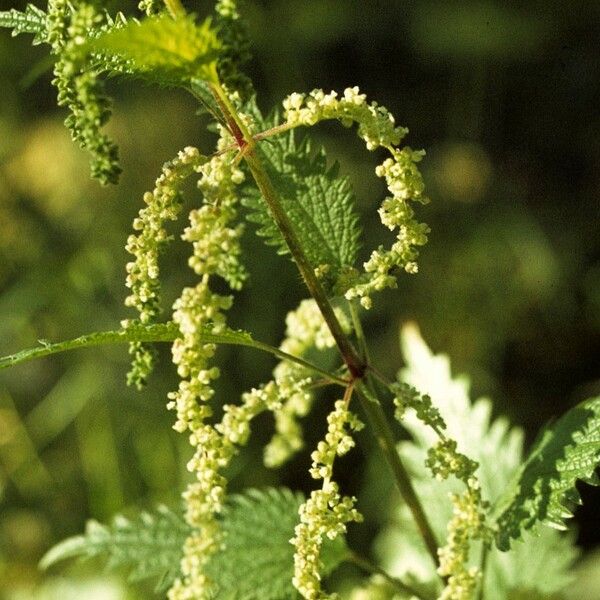
Plant Overview
Often called the Mountain Stinging Nettle or Slender Nettle, Urtica gracilenta is the elegant but prickly resident of shaded canyons and mountain streams. While it looks like a delicate, airy wildflower from a distance, it carries a potent chemical defense that has earned it a "look but don't touch" reputation among hikers. In the high-altitude regions of the Southwest, it is a vital part of the ecosystem, acting as both a fortress for butterflies and a traditional resource for those brave enough to handle it.
🔍 How to Identify
- 🍃 The Foliage: Look for slender, lance-shaped leaves with deeply "toothed" or serrated edges. They grow in opposite pairs along the stem, creating a symmetrical, ladder-like appearance.
- 🦷 The Stinging Hairs: If you look closely at the stems and the undersides of the leaves, you’ll see tiny, translucent, needle-like hairs (trichomes). These act like miniature hypodermic needles.
- 📏 Growth Habit: This species is notably more "slender" and tall than the common garden nettle, often reaching heights of 3 to 6 feet in moist, shaded environments.
🏡 In Your Garden
- ⛰️ The Canyon Vibe: This isn't your average garden weed. It craves the "montane" lifestyle—cool, moist soil and dappled shade. It is rarely cultivated intentionally unless you are creating a specialized native wildlife habitat.
- 🦋 Pollinator Power: If you find it on your property, consider keeping a patch! It is a primary host plant for the Red Admiral and Satyr Comma butterflies. Their caterpillars are immune to the sting and rely on these leaves for survival.
⚠️ Safety & Toxicity
- 🚫 Status: Skin Irritant: Touching the plant causes an immediate, sharp stinging sensation followed by localized redness, itching, or small white welts (hives).
- 🐾 Pets & Kids: Keep curious dogs and children away. While not "poisonous" in the sense of being a deadly toxin, the sting is very painful and can cause significant distress to pets if they run through a patch.
- 🥣 The "Magic" of Heat: Interestingly, the stinging chemicals (formic acid and histamines) are neutralized by boiling or drying. While we don't recommend foraging without expert guidance, it is historically used in herbal teas and cooked greens.
✨ Fun Fact
The stinging hairs of the Mountain Nettle are actually made of silica—the same material used to make glass! When you brush against them, the fragile glass-like tips break off, allowing the chemical cocktail inside to be injected instantly into the skin.

Detailed Care Instructions
To grow Urtica gracilenta (also known as slender nettle), you can follow these steps:
- Obtain seeds or cuttings: You can either purchase Urtica gracilenta seeds from a reputable supplier or get cuttings from an established plant.
- Choose the right location: Urtica gracilenta prefers moist, partially shaded areas. Find a spot in your garden that receives dappled sunlight or morning sun and has well-drained soil.
- Prepare the soil: Before planting, work the soil to loosen it and remove any weeds or debris. Urtica gracilenta prefers fertile soil with good organic matter content.
- Sow seeds or plant cuttings: If using seeds, scatter them evenly over the prepared soil and lightly press them into the surface, as they require light to germinate. If using cuttings, plant them about 2-3 inches deep in the soil.
- Water appropriately: Keep the soil consistently moist, but not waterlogged, during the germination and early growth stages. Once established, Urtica gracilenta is relatively drought-tolerant and can survive with natural rainfall.
- Fertilize sparingly: Urtica gracilenta generally does not require much fertilizer. However, you can incorporate well-rotted organic matter or a balanced slow-release fertilizer into the soil before planting.
- Provide support if needed: As Urtica gracilenta grows, it may benefit from staking or a trellis if it becomes top-heavy or leans.
- Control pests and diseases: Monitor for common pests like aphids or diseases like powdery mildew. Treat them using organic insecticides or fungicides if necessary.
- Harvest and prune: When the plants reach maturity, you can harvest the leaves and stems for culinary or medicinal purposes. Regular pruning will help promote bushier growth.
Remember to wear gloves and protective clothing when handling Urtica gracilenta because it has stinging hairs that can cause skin irritation.

To properly water this plant, it is important to first assess the soil moisture level. Stick your finger into the soil about an inch deep, and if it feels dry, it is time to water. When watering, be sure to give the plant a thorough soaking, allowing water to flow through the soil and out of the drainage holes in the bottom of the container. It is important not to let the plant sit in standing water, so be sure to empty any excess water out of the saucer or tray underneath the pot. As this plant prefers consistently moist soil, it may need to be watered more frequently in hot or dry conditions and less frequently in cooler and more humid conditions.
To fertilize this plant, use a balanced fertilizer with equal amounts of nitrogen, phosphorous, and potassium. Apply the fertilizer sparingly, following the manufacturer's instructions, and be careful not to over-fertilize the plant. It is best to fertilize the plant during its active growth period, typically in the spring and summer months. Additionally, consider supplementing with organic fertilizers such as compost or well-rotted manure.
The ideal soil for Urtica Gracilenta is one that is fertile, well-draining, and has a slightly acidic to neutral pH level. It should contain a good amount of organic matter such as compost, leaf mould, or well-rotted manure. The soil should also be moist but not waterlogged, and should offer good aeration to the roots. Urtica Gracilenta prefers soil that is rich in nutrients such as nitrogen, potassium, and phosphorus, which can be achieved through regular fertilizing with a balanced organic fertilizer. It is important to avoid using heavy or compacted soils, as this can hinder root growth and lead to problems with moisture retention. Instead, loamy or sandy soils that are light and airy are ideal for growing Urtica Gracilenta.
To propagate this plant, first choose a healthy specimen with several mature leaves and stems. Cut a stem from the plant using sterilized pruning shears or a sharp knife, making sure to take a piece that includes at least two leaf nodes.
Remove the lower leaves from the stem, leaving only the top few leaves intact. If desired, you can also dip the cut end of the stem in rooting hormone to encourage root growth.
Prepare a pot with well-draining soil and water thoroughly to ensure the soil is evenly moist. Use a pencil or similar tool to make a small hole in the soil and insert the stem, burying it about 1-2 inches deep.
Place the pot in a warm, bright location but out of direct sunlight. Keep the soil moist but not waterlogged and mist the leaves regularly to maintain humidity.
After a few weeks, the stem should start to develop roots and new growth. Once the plant has established itself, you can transplant it into a larger pot or into the garden.








