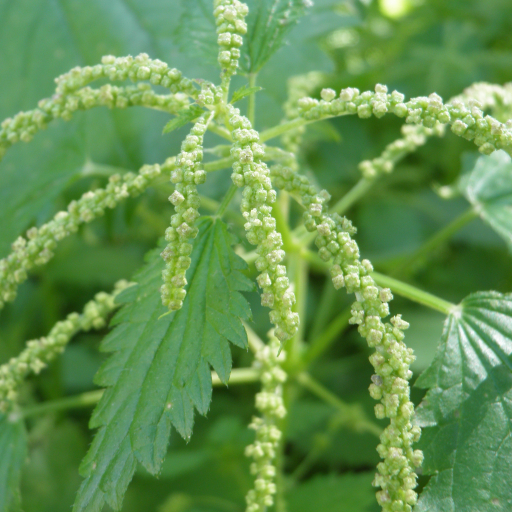
Plant Overview
Often called the Mediterranean Nettle or Membrane-leaved Nettle, this plant is the more delicate but equally "spicy" cousin of the common stinging nettle. Native to the Mediterranean basin, it has a long history of lurking around ancient ruins and nitrogen-rich olive groves. While it may look like a common weed, its unique "winged" flowers tell a much more interesting botanical story.
🔍 How to Identify
- 🍃 Winged Stems: Look closely at the flower clusters; unlike other nettles, this species has distinct, flat, membrane-like "wings" along the flower stalks (pedicels).
- 🪚 Serrated Foliage: The leaves are vibrant green, heart-shaped, and feature deeply notched, saw-toothed edges that grow in opposite pairs.
- 🪡 Silica Needles: The entire plant is covered in fine, translucent stinging hairs (trichomes) that look like tiny glass needles under the light.
🏡 In Your Garden
- 🌱 Nitrogen Lover: This plant is a "bio-indicator." If it appears in your garden, it’s telling you that your soil is exceptionally rich in nitrogen and organic matter.
- ☀️ Sun Seeker: While most nettles enjoy the damp shade, Urtica membranacea is more heat-tolerant and is often found basking in the Mediterranean sun along stone walls or disturbed roadsides.
⚠️ Safety & Toxicity
- 🚫 Dermatitis Risk: Touching any part of the plant results in an immediate burning sensation followed by red, itchy welts (urticaria) caused by formic acid and histamines.
- 🐾 Pet Hazard: It is particularly irritating to pets. Dogs running through a patch may experience "Nettle Poisoning," characterized by intense pawing at the mouth, drooling, and skin swelling. Always wear thick gloves when removing it.
✨ Fun Fact
[🏺] Ancient Fibers: Nettle species like this one were used for centuries to create high-quality textiles. In fact, during the Napoleonic Wars, it is said that many soldiers’ uniforms were woven from nettle fibers when cotton supplies were cut off!

Detailed Care Instructions
To grow Urtica membranacea, also known as the American stinging nettle, you can follow these steps:
- Choose the right location: Urtica membranacea prefers partial shade or filtered sunlight. Find an area in your garden that receives about 4-6 hours of sunlight per day.
- Prepare the soil: This plant prefers rich, moist, and well-draining soil. Add organic matter, such as compost or well-rotted manure, to improve soil fertility and drainage.
- Sow seeds or plant seedlings: You can either sow seeds directly into the prepared soil or start with seedlings from a nursery. If sowing seeds, scatter them on top of the soil and lightly press them in. If using seedlings, dig a hole slightly larger than the root ball and place the plant in, covering the roots with soil.
- Water regularly: Urtica membranacea requires regular watering to keep the soil consistently moist, but not waterlogged. Water deeply whenever the top inch of soil feels dry.
- Mulch around the plants: Apply a layer of organic mulch, such as straw or wood chips, around the base of the plants. This will help retain moisture and suppress weed growth.
- Provide support if needed: Urtica membranacea may grow tall and benefit from staking or trellising. Install stakes or a trellis near the plants and gently tie the stems as they grow.
- Prune and harvest: Regularly prune the young top shoots to encourage branching and bushier growth. You can also harvest the leaves and young shoots for culinary or medicinal purposes. Be sure to wear gloves to protect yourself from the stinging hairs.
- Monitor pests and diseases: Keep an eye out for common pests like aphids or caterpillars and address any infestation promptly. Also, watch for signs of disease, such as leaf spots or wilting, and treat accordingly.
Remember that Urtica membranacea contains stinging hairs, so handle the plants with care and use protective gloves when necessary.

Place in a bright room that is sun drenched almost all day. Or directly in a south-facing window.

When watering this plant, it is important to avoid overwatering as it can lead to root rot. Check the soil moisture level regularly by inserting your finger into the soil up to the second knuckle. If the soil feels dry, it is time to water. Water the plant until water starts to drain out of the bottom of the pot and then wait until the soil dries out again before watering. It is also beneficial to mist the leaves once or twice a week to increase humidity around the plant.
To fertilize this plant, you can use a balanced fertilizer with equal amounts of nitrogen, phosphorus, and potassium. Choose a slow-release fertilizer for best results, and apply it once every two months during the growing season. Be careful not to over-fertilize, as this can lead to excessive growth and weaken the plant. It is important to always follow the instructions on the fertilizer packaging and not to exceed the recommended dosage.
The ideal soil for Urtica Membranacea plant is a well-draining, nutrient-rich soil that has a slightly acidic pH level. It requires soil that is airy and loose in texture, allowing for proper air circulation around the roots. There are several types of soil that can be used with Urtica Membranacea, including loamy soil and sandy soil. The soil should be able to retain moisture, but should not be waterlogged. It is also recommended that the soil be enriched with organic matter, such as compost or aged manure, to provide the plant with the necessary nutrients it needs to thrive. It is important to avoid using soil that is compacted or heavy, as this can lead to poor drainage and root rot. Overall, providing the proper soil conditions is essential for the growth and health of the Urtica Membranacea plant.
To propagate this plant, you can take stem cuttings from mature plants in the spring or summer. Choose a healthy stem with a few leaves and cut it to about 4-6 inches in length. Remove the lower leaves and dip the cut end in rooting hormone powder. Place the cutting in a pot with well-draining soil and keep it moist but not waterlogged. Cover the pot with a plastic bag or dome to create a humid environment and keep it in a warm, bright location with indirect sunlight.
Rooting should occur in 2-4 weeks, at which point you can remove the covering and begin to acclimate the new plant to its growing conditions. Gradually increase the exposure to sunlight and reduce watering to prevent overwatering. After the plant has established roots and growth, you can transplant it to a larger container or into the ground.








