Plant Overview
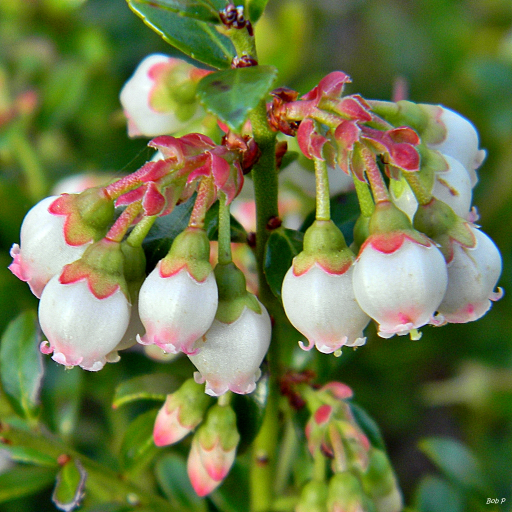
Known as the "Shiny Blueberry," Vaccinium myrsinites is a resilient, low-growing evergreen shrub native to the southeastern United States. It is a staple of pine flatwoods and coastal prairies, often forming dense, shimmering carpets across the forest floor. While it might look like a delicate ornamental, it is a tough survivor built for sandy soils and periodic wildfires.
🔍 How to Identify
- 🍃 The Foliage: The leaves are tiny (usually less than half an inch), leathery, and remarkably shiny on the upper surface. Unlike many other blueberries, this species stays green throughout the winter.
- 🔔 The Blooms: In early spring, the plant produces clusters of dainty, bell-shaped flowers that range in color from pure white to a soft, rosy pink.
- 🫐 The Berries: It bears small, glossy black or deep purple fruit. Unlike the "dusty" blue look of supermarket blueberries, these fruits lack the waxy coating, giving them a polished, dark appearance.
🏡 In Your Garden
- 🏖️ Soil Specialist: This plant is an "acid-lover." It thrives in sandy, well-draining, acidic soils where most other plants would fail. If you have "sugar sand" or pine-heavy soil, this is your perfect groundcover.
- 🔥 Fire Adapted: In the wild, this blueberry has a secret weapon: an extensive underground root system (rhizomes). If a fire sweeps through or the plant is cut back, it quickly regenerates from the roots, making it incredibly difficult to kill once established.
⚠️ Safety & Toxicity
- ✅ Safe & Edible: The berries are non-toxic and edible for humans, pets, and livestock.
- 🥣 The Taste Test: While delicious and sweet, the berries are much smaller and contain more seeds than commercial varieties. They are best enjoyed by the handful or used in wild-berry preserves. As with any wild foraging, ensure the area hasn't been treated with pesticides before snacking.
✨ Fun Fact
The Shiny Blueberry is a "fire-follower." Scientists have noted that these plants actually produce more fruit the year following a controlled burn or wildfire, as the fire clears out the canopy and releases nutrients back into the sandy soil.

Detailed Care Instructions
To grow Vaccinium Myrsinites, also known as shiny blueberry or evergreen blueberry, follow these steps:
- Find a suitable location: Vaccinium Myrsinites prefers partial shade and moist, well-draining acidic soil. It is commonly found growing in sandy, peaty, or rocky locations.
- Prepare the soil: If your soil is not acidic enough, amend it with compost and peat moss to lower the pH. Ensure the soil is well-draining by improving the drainage if necessary.
- Choose healthy plants: Purchase Vaccinium Myrsinites plants from a reputable nursery or native plant supplier. Look for plants with green, disease-free leaves and well-developed root systems.
- Planting: Dig a hole slightly larger than the root ball of the plant. Place the root ball in the hole, ensuring the top of the root ball is level with the surrounding soil. Backfill the hole and gently tamp down the soil around the plant.
- Watering: After planting, water the plant thoroughly to settle the soil and eliminate any air pockets. Provide regular watering to keep the soil moist but not waterlogged, especially during dry periods.
- Mulching: Apply a layer of organic mulch, such as pine straw or wood chips, around the base of the plant to help retain moisture, regulate soil temperature, and suppress weed growth. Avoid piling mulch directly against the stem of the plant.
- Pruning: Vaccinium Myrsinites does not require much pruning. However, if necessary, prune dead or damaged branches and shape the plant to maintain a compact form. Pruning is best done in late winter or early spring before new growth appears.
- Fertilizing: Blueberries generally have low nutrient requirements. If the soil is poor, you can apply a slow-release acidic fertilizer during the spring. Follow the package instructions for application rates.
- Pest and disease control: Monitor the plants for any signs of pests, such as aphids or mites, and use appropriate organic insecticides if needed. Vaccinium Myrsinites is susceptible to diseases like powdery mildew, so ensure good air circulation and avoid overhead watering.
- Harvesting: Vaccinium Myrsinites produces small, edible berries in late spring or early summer. Harvest the berries when they are fully ripened and have developed their characteristic deep blue color. Enjoy them fresh, use them in recipes, or freeze them for later use.
By following these steps, you can successfully grow Vaccinium Myrsinites and enjoy its attractive evergreen foliage and tasty berries.

Place in a bright room that is sun drenched almost all day. Or directly in a south-facing window.

Vaccinium Myrsinites plant requires regular watering to thrive, especially in its early growth stages. The watering frequency may be reduced once the plant is established. Always ensure that the soil is moist but not waterlogged, as the plant does not tolerate excessively wet soil. Watering should be done at the base of the plant to avoid wetting the leaves, which may cause foliage diseases. The best time to water the plant is in the morning or evening when temperatures are cooler, to reduce water loss through evaporation. In hot and dry climates, the plant may require more frequent watering to prevent drying out.
To fertilize the plant, use a specialized fertilizer that has high acidity. The ideal pH is between 4.0 and 5.5. Apply fertilizer in spring just before new growth appears, and then again in midsummer. Use caution not to over-fertilize, as it can result in excessive growth and reduced fruit production. Water the plant deeply after fertilization to ensure that the nutrients are absorbed into the soil.
In order to successfully grow [redacted] plants, it is important to use acidic soil with a pH between 4.5 and 5.5. The soil should also be well-draining and rich in organic matter. One option for soil mix is a combination of peat moss, pine bark fines, and coarse sand. It is important to avoid using any soil that contains lime or other alkaline materials as [redacted] plants cannot tolerate alkaline conditions. Adding a layer of mulch around the plant can help to retain moisture and keep the soil cool.
To propagate this plant, take softwood cuttings in the spring from new growth that is still green and pliable. Cut the stem below a node and remove the lower leaves. Dip the cut end in rooting hormone and insert it into a potting medium of equal parts peat moss and sand or perlite. Cover the pot with a plastic bag and place it in a bright location out of direct sunlight. Mist the cutting regularly to keep the soil moist and check for roots in 4-6 weeks. Once roots have formed, remove the bag and gradually acclimate the new plant to outdoor conditions before transplanting it to its permanent location.








