Plant Overview
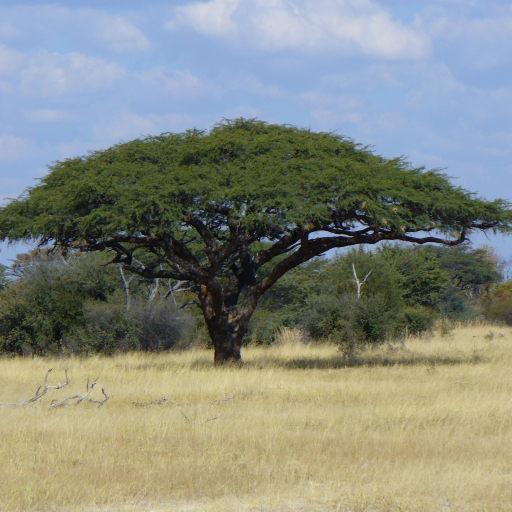
The Camel Thorn, often called the "Kameeldoring," is the undisputed king of the southern African deserts. Known for its iconic umbrella-shaped canopy, this tree provides a vital oasis of shade in the scorching Kalahari and Namib landscapes. It is a symbol of endurance, capable of surviving in environments where almost nothing else grows.
🔍 How to Identify
- 🌳 The Canopy: Mature trees develop a wide, flat-topped "umbrella" shape that creates a distinct silhouette against the horizon.
- 👂 Ear-Shaped Pods: One of its most identifying features is its large, grey, velvet-textured seed pods that look remarkably like human ears.
- ⚔️ Paired Thorns: It features formidable, straight thorns that grow in pairs. They are usually white or grey and can grow quite large.
- 🟡 Golden Puffballs: In late winter and spring, the tree erupts in bright yellow, ball-shaped flowers that have a sweet, honey-like fragrance.
🏡 In Your Garden
- 🏜️ The Deep Diver: This tree is famous for its massive taproot, which has been recorded reaching depths of over 60 meters (200 feet) to find groundwater. Because of this, it is extremely difficult to move once planted; choose its permanent home carefully.
- ⌛ A Lesson in Patience: The Camel Thorn is a very slow grower. While it is incredibly drought-tolerant and hardy once established, it requires well-drained, sandy soil and plenty of space to spread its lateral roots.
⚠️ Safety & Toxicity
- 🌵 Physical Hazard: The primary danger of the Camel Thorn is its namesake—the thorns. They are incredibly sharp and sturdy enough to puncture a thin shoe sole or a bicycle tire.
- 🐾 Pod Consumption: While the pods are a nutritious snack for giraffes and livestock, they contain small amounts of prussic acid (cyanide). It is rarely enough to harm a domestic pet, but it's best to prevent dogs from chewing on them excessively.
✨ Fun Fact
The roasted seeds of the Camel Thorn were once used by desert travelers and early pioneers as a substitute for coffee beans! While it lacks caffeine, the "Bush Coffee" provided a familiar comfort in the wilderness.

Detailed Care Instructions
| Humidity | Dry |
| Lighting | Full Sun |
| Difficulty | Easy |
| Hibernation | Cold Period |
| Temperature | 21°C - 29°C |
| Hardiness Zones | 9 - 10 |
To grow Vachellia erioloba (also known as camel thorn or giraffe thorn), follow these steps:
- Climate: Camel thorn is native to arid and semi-arid regions, so it thrives in hot and dry climates. Ensure your growing conditions mimic its natural environment.
- Choosing seeds/seedlings: Obtain Vachellia erioloba seeds or seedlings. Seeds can be collected from mature trees, and seedlings can often be purchased from nurseries specializing in arid plants.
- Soil: The plant prefers sandy or well-draining soil. Mix sand or perlite into the soil to enhance drainage if necessary.
- Germination: If starting from seed, soak the seeds in warm water for 24 hours. Then, plant the seeds in pots or directly in the ground, about 1 inch deep.
- Watering: Initially, water the seeds/seedlings regularly to aid in germination and establishment. Once the plant is established, reduce watering as camel thorn is drought tolerant.
- Light and Temperature: Provide full sun exposure, as camel thorn requires plenty of sunlight to thrive. It can tolerate a wide range of temperatures but does best in warm to hot conditions.
- Pruning: Camel thorn has a unique growth form with a spreading crown. Prune the plant when necessary to maintain its desired shape and remove any dead or damaged branches.
- Fertilization: Camel thorn generally does not require heavy fertilization. However, you can apply a slow-release, low-nitrogen fertilizer during the growing season to support its growth.
- Pests and diseases: Camel thorn is generally resistant to pests and diseases. Monitor for any issues such as aphids, mealybugs, or fungal diseases, and take appropriate measures if required.
- Patience: Be patient with the growth of Vachellia erioloba as it can take time for the plant to establish and reach maturity. It can take several years for the plant to fully develop.
Remember to check with local regulations regarding invasive plant species before growing Vachellia erioloba, as it might be restricted in certain areas.
Vachellia Erioloba is a plant that requires proper watering to survive and thrive. To water this plant, you need to follow a few simple steps.
Firstly, make sure to water the plant thoroughly, but not excessively. The plant should be watered when the soil feels dry to the touch. It's important not to let the soil dry out completely.
Secondly, it's best to water the plant early in the morning or late in the afternoon to avoid water evaporation due to high temperatures during the day. This also allows the plant to absorb the water better.
Thirdly, avoid watering the leaves of the plant, as it can cause fungal diseases. Instead, water the soil around the base of the plant.
Lastly, if you're growing this plant in a container, make sure to have a drainage hole to prevent the roots from rotting due to waterlogging.
Regular watering, along with proper drainage and suitable growing conditions, can help your Vachellia Erioloba plant thrive and grow into a healthy specimen.
- Start fertilizing your plant during its active growth period, which typically occurs during the warmer months of the year.
- Choose a balanced fertilizer that contains equal amounts of nitrogen, phosphorus, and potassium.
- Dilute the fertilizer according to the manufacturer’s instructions and mix it with water.
- Water the soil thoroughly before applying the fertilizer to prevent root burn.
- Pour the diluted fertilizer mixture around the base of the plant, avoiding contact with the leaves and stems.
- Repeat the fertilizing process every 3-4 weeks during the growing season.
- Reduce fertilization during the dormant season or winter months.
- Monitor the plant for signs of overfertilization, such as wilting, burning, or yellowing leaves.
The best type of soil to use for this plant is a well-draining soil that is rich in nutrients. The soil should have a pH level between 6.5 and 7.5. It is important to avoid using soil that is too heavy or compacted, as this can lead to poor drainage and root rot. A mix of sandy soil, loamy soil, and small gravel or perlite can create a well-draining soil mix that is suitable for this plant. Additionally, adding organic matter such as compost or aged manure can provide additional nutrients for optimal growth. Regular watering is necessary for this plant, but it is important to avoid overwatering as this can also lead to root rot. Overall, a well-draining soil that is rich in nutrients and properly watered is essential for the healthy growth of this plant.
To propagate this plant, you will need to collect its seeds and prepare the soil. Start by obtaining a mature plant that is producing seeds. Harvest the seeds when they are fully ripe and dry. Store the seeds in a cool, dry place until you are ready to plant them.
To prepare the soil, choose a well-drained location and break up the soil to a depth of about six inches. Add compost or other organic matter to the soil to improve its fertility and texture.
Plant the seeds in the prepared soil, covering them with a thin layer of soil. Water the seeds well, being careful not to overwater as this can cause the seeds to rot. Keep the soil moist but not waterlogged.
Within a few weeks, you should see the seedlings emerge from the soil. At this point, you can thin out any weaker seedlings and choose the strongest ones to continue growing. As the seedlings grow, continue to water them regularly and provide them with plenty of sunlight.
After a few months, you can transplant the seedlings to larger pots or into the ground. Make sure the new location has similar soil conditions to the original and continue to care for the plants as they grow. With proper care, your Vachellia Erioloba plants should thrive and produce seeds for future propagation.








