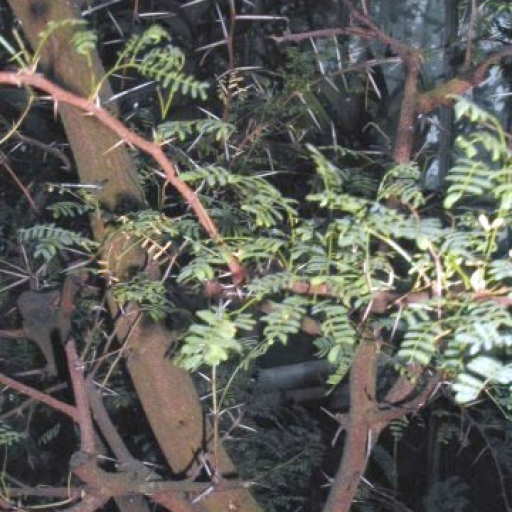
Plant Overview
Known by many as the "Karoo Thorn" or "Cape Gum," Vachellia horrida is a rugged survivor of the arid landscapes of Southern Africa. Its botanical name, horrida, comes from the Latin for "bristling," a nod to the impressive, armor-like thorns that protect its delicate foliage. Despite its fierce appearance, this tree is a vital "pioneer" species that breathes life and nitrogen back into tired soil.
🔍 How to Identify
- ⚔️ The Thorns: Large, paired white spines that are straight and exceptionally sharp. They often grow longer than the leaves themselves, creating a dramatic, spiked silhouette.
- 🌿 The Foliage: Tiny, feathery bipinnate leaves that give the tree a soft, airy texture when viewed from a distance.
- 🟡 The Blooms: Small, bright yellow "puffball" flowers that appear in clusters. They release a sweet, honey-like fragrance that attracts a variety of pollinators.
🏡 In Your Garden
- 🏜️ Tough as Nails: This plant thrives in intense sun and poor, sandy soils where other plants might wither. It is exceptionally drought-tolerant, making it a perfect candidate for xeriscaping or low-water gardens.
- 🏗️ The Taproot: Like many members of the Acacia family, it develops a deep, aggressive taproot to seek out underground water. This makes it very difficult to transplant, so ensure you choose its "forever home" carefully before planting.
- 🐝 Wildlife Magnet: It serves as a miniature ecosystem, providing nesting sites for birds who use the thorns as protection against predators, and nectar for local bees and butterflies.
⚠️ Safety & Toxicity
- 🩹 Physical Hazard: The primary danger is physical rather than chemical. The thorns are incredibly sharp and can easily puncture skin, clothing, or even thin-soled shoes.
- 🚶 Placement: It is considered safe for pets and children in terms of toxicity, but it should never be planted near walkways, play areas, or driveways due to the risk of injury from its spines.
✨ Fun Fact
In its native regions, the "gum" or resin that seeps from the bark was historically collected and used as a substitute for Gum Arabic, serving as an ingredient in traditional medicines and even as a natural adhesive.

Detailed Care Instructions








