Plant Overview
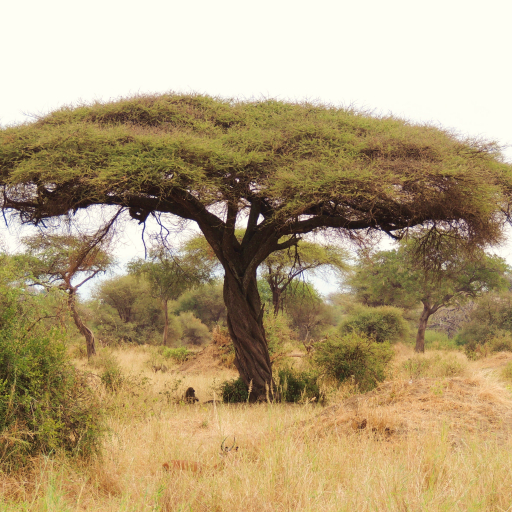
Known as the "Umbrella Thorn Acacia," Vachellia tortilis is the quintessential silhouette of the African savanna. This hardy tree is world-famous for providing shade to resting lions and vital sustenance to roaming giraffes. In desert landscapes, it is a true symbol of resilience, often nicknamed the "Desert Umbrella" for its ability to thrive where little else can survive.
🔍 How to Identify
- 🌳 The Canopy: Look for a distinctive, flat-topped crown that spreads wide like a parasol, a shape designed to maximize shade for its own root system.
- 🌀 The Pods: Its species name, tortilis, refers to its unique seed pods which are tightly spiraled or twisted into corkscrew shapes.
- ⚔️ Dual Thorns: The tree features a "hook and dagger" defense system—a mix of long, straight white thorns and short, recurved "wait-a-bit" thorns that easily snag clothing.
- ☁️ Flowers: During the summer, it produces fragrant, creamy-white "pom-pom" blossoms that sit in fluffy clusters along the branches.
🏡 In Your Garden
- 🏜️ Hardy Survivor: This tree is exceptionally drought-resistant once established. It is a perfect choice for xeriscaping or large, arid landscapes, as it prefers sandy or rocky soils that drain quickly.
- 🧪 Soil Improver: As a member of the legume family, it naturally "fixes" nitrogen into the soil. This improves the fertility of the surrounding earth, often helping grass grow better directly under its canopy.
- 🏗️ Deep Roots: It develops a massive taproot to reach deep underground water. Because of this, it hates being moved once planted and should be kept away from pipes or foundations.
⚠️ Safety & Toxicity
- 🩹 Physical Hazard: While the plant is not chemically toxic, the thorns are formidable. They can cause deep puncture wounds or skin tears if handled without thick, leather gardening gloves.
- 🐾 Pet & Livestock Safety: The leaves and seed pods are highly nutritious and safe for animals to eat—in fact, they are a primary food source for many herbivores. However, the thorns can pose a risk to curious paws or eyes.
✨ Fun Fact
🦒 The Great Defense: When giraffes start munching on its leaves, the Umbrella Thorn can actually "signal" nearby trees by releasing ethylene gas. This causes the surrounding trees to pump bitter tannins into their leaves within minutes, making them taste terrible to discourage the hungry giraffes!

Detailed Care Instructions
To grow Vachellia tortilis (also known as the umbrella thorn acacia) plant, follow these steps:
- Obtain seeds or seedlings: You can either buy seeds or young plants from a nursery or collect seeds from mature Vachellia tortilis trees if they are available in your region.
- Prepare the soil: Vachellia tortilis prefers sandy or loamy soil with good drainage. Mix in some organic matter such as compost to improve the soil's fertility.
- Choose a sunny location: Vachellia tortilis thrives in full sun, so select a spot in your garden that receives 6-8 hours of direct sunlight.
- Plant the seeds or seedlings: If using seeds, scarify them by lightly scratching the surface with sandpaper or soaking them in hot water for a few hours. Then, plant the seeds or seedlings at a depth of about 1 inch in the prepared soil. Space them at least 10-15 feet apart as Vachellia tortilis can grow into a large tree.
- Water regularly: Keep the soil moist but not waterlogged. Water the plant regularly, especially during the first few months of growth. Once established, Vachellia tortilis is drought-tolerant, but regular watering during dry periods will help it grow faster.
- Mulch the base: Apply a layer of organic mulch, such as wood chips or straw, around the base of the plant. This will help conserve moisture and suppress weed growth.
- Prune as necessary: As the plant grows, you may need to prune it to maintain a desired shape. Remove dead or damaged branches and thin out crowded areas to allow for better air circulation.
- Protect from pests: Vachellia tortilis is generally resistant to pests and diseases. However, monitor the plant for any signs of pest damage, such as leaf spots or wilting, and take appropriate measures if needed.
- Be patient: Vachellia tortilis is a slow-growing tree, so be patient and allow it time to establish and grow. It can take several years for the plant to reach a substantial size.
Remember to check your local regulations before planting Vachellia tortilis, as it may be considered invasive in some regions.

Place in a bright room that is sun drenched almost all day. Or directly in a south-facing window.

To water this plant, first consider the soil. The soil should be moist but not waterlogged. Overwatering may lead to root rot. Check the soil moisture by sticking your finger into the soil about an inch deep. If it feels dry, it's time to water.
When watering, pour water slowly around the base of the plant, not directly onto the leaves or trunk. Water deeply, making sure the water reaches the roots. Avoid watering in the evening or at night to prevent fungal growth. Water more frequently during hot, dry weather.
To ensure the plant is receiving enough water, monitor its leaves. If the leaves appear dry or are turning yellow, the plant may need more water. However, be careful not to overwater as this can lead to problems as well. It's best to water deeply and infrequently rather than shallowly and frequently.
To fertilize this plant, apply a balanced fertilizer with equal parts nitrogen, phosphorus, and potassium. Use the recommended dosage as advised by the manufacturer and sprinkle it around the base of the plant. Water the plant thoroughly after fertilization to ensure that the nutrients are absorbed properly. Avoid fertilizing during dormant periods or in extremely hot or dry conditions.
Vachellia Tortilis plant requires soil that is well-draining and has a neutral to slightly acidic pH level. The soil should be able to retain moisture while also allowing excess water to drain away to prevent root rot. A sandy loam or clay loam soil mixture is ideal for this plant, with the addition of organic matter such as compost or peat moss to improve soil fertility and moisture-retention capabilities. The plant prefers a soil that is rich in nutrients, so adding a slow-release fertilizer can help to promote healthy growth and development. Additionally, the soil should be kept slightly moist, but not overly wet, to prevent waterlogging and reduce the risk of fungal diseases. It is important to regularly monitor the plant's soil moisture levels and adjust watering frequency as necessary based on environmental conditions and the plant's growth patterns.
To propagate this plant, you will need to prepare the seeds for germination. First, remove the outer layer of the seeds by soaking them in water for several hours or by scarifying them with a file or sandpaper. Once the seeds are prepped, plant them in a well-draining soil mix in a container or directly in the ground. Water the seeds regularly and keep them in a warm, sunny location. Young seedlings can be transplanted once they reach a few inches in height. Alternatively, you can propagate the plant by taking stem cuttings and rooting them in water or soil. Choose a healthy stem and make a clean cut just below a node. Remove any leaves from the bottom of the cutting and place it in a jar of water or well-draining soil mix. Keep the cutting moist and in a warm location with indirect sunlight. Once the cutting has developed roots, it can be transplanted into a larger pot or directly into the ground.








