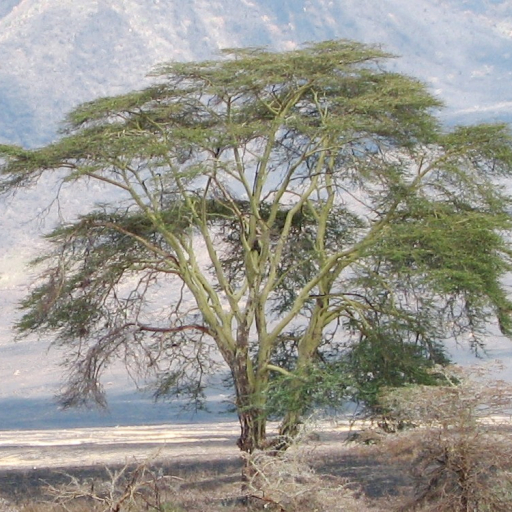
Plant Overview
Often called the Fever Tree, this African icon is impossible to miss thanks to its glowing, neon-yellow trunk. Early pioneers mistakenly believed the tree itself caused malaria because it thrives in the same swampy areas where mosquitoes breed—a myth that gave it a spooky reputation it didn't deserve. Today, it is celebrated for its architectural beauty and its "ghostly" appearance when caught in the moonlight.
🔍 How to Identify
- 🟢 Luminous Bark: The most striking feature is its smooth, powdery lime-green to sulphur-yellow bark, which can be rubbed off with a finger.
- 🌿 Feathery Foliage: It features fine, twice-compound leaves that create a soft, airy canopy, allowing dappled sunlight to reach the ground below.
- ⚔️ Long White Thorns: The branches are armed with pairs of long, straight, white thorns that grow more prominent on younger wood.
🏡 In Your Garden
- 💧 The Water Seeker: Unlike many of its desert-dwelling Acacia cousins, this tree is a "riparian" species. It loves having "wet feet" and is perfect for planting near ponds or in areas with high water tables.
- 🏗️ Fast-Growing Giant: This is a pioneer species that grows incredibly fast. It is perfect for creating a quick privacy screen or high canopy, but it requires significant space as its root system is aggressive and wide-reaching.
- 🦜 Wildlife Magnet: It is a favorite nesting site for Weaver birds, who use the thorny branches as a natural fortress against snakes and predators.
⚠️ Safety & Toxicity
- 📌 Mechanical Hazard: The tree is not chemically toxic to humans or common pets, but its thorns are a significant physical hazard.
- 🐾 Protective Planting: Place it away from walkways or areas where children and dogs play frequently, as the thorns can cause deep puncture wounds or eye injuries.
✨ Fun Fact
The Fever Tree is one of the few trees that can perform photosynthesis through its bark. This allows it to keep growing even during dry seasons when it may have dropped its leaves to conserve water!

Detailed Care Instructions
To grow Vachellia xanthophloea, also known as the Fever Tree, follow these steps:
- Climate: Ensure that you live in a suitable climate for this plant. Vachellia xanthophloea thrives in warm, subtropical climates, especially regions with wet summers and dry winters.
- Soil: The plant prefers well-draining, sandy soil. If your soil is heavy or clayey, consider amending it with sand and organic matter to improve drainage.
- Location: Select a sunny spot for your Vachellia xanthophloea plant. It requires at least 6-8 hours of direct sunlight daily.
- Planting: Dig a hole twice the size of the root ball. Place the plant in the hole, ensuring that the top of the root ball is level with the ground. Backfill the hole with soil, gently pressing it down to remove any air pockets.
- Watering: This tree prefers moderate watering, with a focus on the dry season. Water the plant deeply but infrequently, allowing the soil to dry out slightly between waterings. Avoid overwatering as it can lead to root rot.
- Mulching: Apply a layer of organic mulch, such as wood chips or leaf litter, around the base of the tree to conserve moisture and suppress weed growth. Keep the mulch a few inches away from the trunk to avoid moisture accumulation.
- Fertilizing: Vachellia xanthophloea usually doesn't require regular fertilization. However, you can apply a balanced, slow-release fertilizer in spring to promote healthy growth.
- Pruning: Prune the tree to remove dead or damaged branches as necessary. Avoid heavy pruning as this species tends to have an attractive natural shape.
- Protection: Protect the Fever Tree from frost during winter months by covering it with a frost cloth or moving it to a sheltered spot if required.
- Ongoing care: Monitor the plant regularly for signs of pests or diseases. Common issues include aphids, scales, and leaf spot. Treat any problems promptly using organic or chemical controls, if necessary.
Remember to check with local nurseries or gardening experts for specific guidance suited to your region's climate and conditions.

Place in a bright room that is sun drenched almost all day. Or directly in a south-facing window.

To properly water this plant, measure out the amount of water needed based on the size of the container and the soil type. Ensure the water is room temperature and not too cold. Slowly pour the water onto the soil around the plant's root system, avoiding getting water on the foliage. Allow the soil to dry out slightly in between watering, and adjust the frequency of watering based on the plant's specific needs. It is best to water in the morning or evening when temperatures are cooler to avoid evaporation and to not overwater the plant.
To properly fertilize your Vachellia Xanthophloea plant, follow these instructions:
- Choose a balanced, slow-release fertilizer specifically formulated for woody plants or shrubs.
- The best time to fertilize is during the growing season, ideally in spring and early summer.
- Dilute the fertilizer according to the package instructions. As a general guideline, use half or three-quarters of the recommended dosage to avoid over-fertilization.
- Apply the fertilizer evenly around the base of the plant, avoiding direct contact with the stem or leaves.
- Gently work the fertilizer into the soil, using a small garden trowel or your hands.
- Water the plant thoroughly after fertilizing to ensure the nutrients penetrate the soil and reach the roots.
- Repeat the fertilization process every 4-6 weeks throughout the growing season, following the same dosage and application method.
- Avoid fertilizing during periods of drought or extreme heat, as it can stress the plant.
- Regularly monitor your plant's growth and appearance to determine if adjustment to the fertilization regimen is necessary.
- Ensure proper sunlight, water, and care alongside fertilization for optimal growth and health.
The ideal soil for this plant should be well-draining with a pH range of 6.0-7.5. It should be nutrient-rich, with a good balance of organic matter, minerals, and microorganisms. The soil should also be able to retain moisture without becoming waterlogged, as this plant prefers regular watering but cannot tolerate standing water. It is recommended to mix in some sand or gravel to improve drainage and prevent root rot. Additionally, the soil should be fertile enough to support the plant's growth, as it is known to have a high demand for nutrients.
Propagation of the Vachellia xanthophloea plant can be achieved through various methods, including seed germination, stem cuttings, and air layering. Each method has its own set of requirements and processes. Here, we will provide you with details on how to propagate this plant without revealing its common names:
- Seed germination:
- Start by collecting mature seeds from the plant, which are typically found in its seed pods.
- Remove the outer coat of the seed by lightly rubbing them with sandpaper or soaking them in warm water to slightly soften the outer shell.
- Fill a tray or small pots with well-draining potting soil mixture.
- Plant the seeds about 1/4 inch deep into the soil, gently pressing them down.
- Water the soil thoroughly, ensuring it is moist but not waterlogged.
- Place the tray or pots in a warm and well-lit location, preferably with indirect sunlight.
- Keep the soil consistently moist until the seeds germinate, which could take anywhere from a few weeks to a few months.
- Once the seedlings have developed a few true leaves, carefully transplant them into individual pots, maintaining adequate care and water.
- Start by collecting mature seeds from the plant, which are typically found in its seed pods.
- Stem cuttings:
- Start by selecting a healthy young stem from the plant, preferably one that is free from diseases or pests.
- Using a sharp and sterilized pair of pruning shears, cut a piece of the stem that is around 4-6 inches long.
- Remove any leaves from the lower two-thirds of the stem, leaving only a few leaves at the top.
- Dip the cut end of the stem into a rooting hormone powder to encourage root formation (optional).
- Fill a small pot with a well-draining potting mix.
- Create a planting hole in the soil using a pencil or a finger and insert the prepared cutting into the hole.
- Firmly press the soil around the stem to ensure good contact.
- Water the soil thoroughly, ensuring it is consistently moist but not waterlogged.
- Place the pot in a partially shaded area, protected from direct sunlight and extreme temperatures.
- Keep the soil evenly moist, misting the foliage occasionally to increase humidity.
- After a few weeks, gently tug on the stem to check for resistance, indicating root development.
- Once roots have formed, the cutting can be transplanted into a larger pot or directly into the ground.
- Start by selecting a healthy young stem from the plant, preferably one that is free from diseases or pests.
- Air layering:
- Select a healthy branch on the plant, preferably one that is at least one year old and around pencil thickness.
- Make a small vertical cut or remove a small ring of bark on the branch, about 6-8 inches below the tip.
- Dust the exposed area with rooting hormone powder to stimulate root growth.
- Wrap the area with moist sphagnum moss or peat moss, ensuring it is securely held in place with plastic wrap or a similar material.
- Maintain the moisture of the moss by misting it regularly or keeping it covered with a plastic bag.
- After a few weeks or once roots have formed, you can cut the branch just below the newly formed roots.
- Plant the rooted branch in a pot or directly in the ground, and provide proper care to ensure its growth and establishment.
Remember to provide adequate care to the propagated plants, including proper watering, light exposure, and protection from extreme weather conditions.
- Select a healthy branch on the plant, preferably one that is at least one year old and around pencil thickness.








