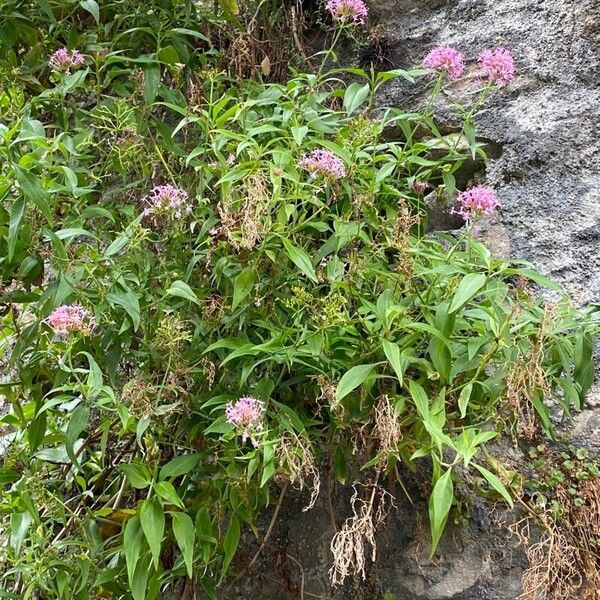
Plant Overview
Often called the Narrow-leaved Valerian, this elegant perennial is a staple of traditional East Asian landscapes and herbal lore. While it looks like a delicate lace crown in the garden, its true power lies beneath the soil in its potent, earthy roots. It is a plant of curious contradictions—producing sweet-smelling floral clusters while its dried roots famously emit a pungent aroma reminiscent of "stinky socks."
🔍 How to Identify
- 🌿 Narrow Foliage: As the name angustifolia suggests, this species features slender, lance-shaped leaflets arranged in a pinnate (feather-like) pattern along a central stem.
- 🌸 Cloud-like Clusters: It produces dense, umbrella-shaped clusters (corymbs) of tiny, tubular flowers that range from pure white to a soft, blush pink.
- 📏 Upright Habit: It maintains a tall, airy structure, often reaching heights of 3 to 4 feet, giving it a see-through quality that works well in wilder garden designs.
🏡 In Your Garden
- 💧 Moisture Seeker: This plant naturally thrives in meadows and near stream banks. In a garden setting, it prefers "cool feet"—soil that stays consistently moist but has enough grit to prevent root rot.
- 🌱 Deep Root System: It develops a significant taproot early in its life. Because of this, it is quite hardy once established but very sensitive to being moved; choose its permanent home carefully to avoid transplant shock.
- 🐝 Pollinator Magnet: The nectar-rich flowers are a high-value target for hoverflies and tiny solitary bees, making it an excellent choice for a biodiversity-focused "insect hotel" garden.
⚠️ Safety & Toxicity
- ✅ Generally Safe: Valeriana species are widely known for their use in calming teas and supplements. It is non-toxic to touch and generally safe for humans.
- 🐾 The Cat Connection: Be wary if you have feline friends! The roots contain actinidine, a compound that acts like "super-catnip." A cat may accidentally destroy your garden bed by digging frantically to reach the intoxicating scent of the roots.
✨ Fun Fact
✨ The Pied Piper’s Secret: Folklore enthusiasts suggest that the Pied Piper of Hamelin didn't just use a magic flute to lure rats away; he supposedly carried Valerian roots in his pockets to use their irresistible (to rodents) scent as a secondary hypnotic tool!

Detailed Care Instructions
To grow Valeriana angustifolia (also known as valerian), you can follow these steps:
- Choose the right location: Valerian prefers a sunny to partially shaded spot with moist, well-draining soil. It can tolerate most soil types but prefers slightly acidic to neutral soil.
- Prepare the soil: Work the soil by removing any weeds, rocks, or debris. If the soil is heavy or clayey, consider adding organic matter like compost or well-rotted manure to improve drainage and fertility.
- Sow seeds or transplant seedlings: Valerian can be grown from seeds or seedlings. If starting from seeds, sow them directly into the soil in early spring or fall, as they require a cold stratification period to germinate. If growing from seedlings, transplant them into the prepared soil at the same depth they were growing in their nursery containers.
- Watering: Keep the soil consistently moist, but not waterlogged. Water the plants regularly, especially during dry spells, to prevent the soil from drying out completely. Avoid overhead watering to prevent foliage diseases.
- Mulching: Applying a layer of organic mulch around the plants can help conserve moisture, suppress weeds, and improve soil fertility.
- Fertilization: Valerian is not a heavy feeder, but you can incorporate a balanced, slow-release fertilizer into the soil before planting. After that, additional fertilization is usually not required.
- Pruning: Valerian can become leggy, and deadheading spent flowers can help promote continuous blooming and prevent self-seeding. Cut back the plants to the ground after flowering is finished to encourage fresh growth.
- Pests and diseases: Valerian is generally resistant to most pests and diseases. However, it can occasionally be affected by aphids, slugs, or powdery mildew. Monitor the plants regularly and take appropriate measures if any problems arise.
- Harvesting: The roots of Valeriana angustifolia are traditionally used for medicinal purposes. Wait until late fall or early spring to harvest the roots when they have reached their maturity. Dig up the roots carefully and wash them before drying or processing.
Remember, Valeriana angustifolia is known to self-seed vigorously, so if you don't want it to spread excessively, deadhead flowers before they produce seeds or consider growing it in containers.
To water Valeriana Angustifolia, also known as the plant with small, narrow leaves, you should follow these steps:
- Observe the soil moisture: Check the soil's moisture level before watering the plant. Insert your finger about an inch deep into the soil near the base of the plant to determine if it feels dry or moist.
- Watering volume: Valeriana Angustifolia usually prefers evenly moist soil. Hence, you should provide a sufficient amount of water to penetrate the root zone. The general guideline is to water until the soil is moist around 6-8 inches deep.
- Watering frequency: Frequency depends on various factors like temperature, humidity, and pot size. In general, it is recommended to water Valeriana Angustifolia when the top inch of soil feels dry. Avoid overwatering, as it can lead to root rot and other issues.
- Watering technique: To provide ample hydration, use a watering can or a hose with a gentle spray attachment. Water the soil directly near the base of the Valeriana Angustifolia plant, ensuring the water flows evenly and reaches the roots.
- Drainage: Ensure that the pot or planting area has proper drainage holes to avoid waterlogged soil. Adequate drainage is crucial to prevent water from accumulating at the roots, which can cause root damage and decay.
- Additional considerations: Consider environmental factors such as weather conditions, season, and growth stage. During hot, dry spells, Valeriana Angustifolia may require more frequent watering to maintain its moisture levels. Similarly, if it is planted in a windy area, the water may evaporate quickly, necessitating more frequent watering.
Remember, it is always essential to observe the specific plant's needs and adjust watering practices accordingly to ensure the health and vitality of Valeriana Angustifolia.
To fertilize a Valeriana Angustifolia plant, follow these instructions:
- Choose a balanced, water-soluble fertilizer specifically formulated for herbaceous plants or vegetables.
- Dilute the fertilizer according to the instructions on the packaging. Typically, a ratio of 1 tablespoon of fertilizer per gallon of water is appropriate.
- Apply the fertilizer during the active growing season, usually from spring to early fall.
- Ensure that the soil around the plant is moist before applying the fertilizer to prevent burning the roots.
- Use a watering can or a sprayer to evenly distribute the diluted fertilizer around the base of the plant, avoiding direct contact with the leaves.
- Water the plant thoroughly after fertilization to help the nutrients reach the root zone.
- Repeat the fertilization process every three to four weeks during the growing season. However, always refer to the specific recommendations on the fertilizer packaging for dosage and frequency.
- Monitor the plant for signs of over-fertilization, such as yellowing leaves or stunted growth. If these symptoms occur, reduce the amount of fertilizer applied or increase the frequency of watering to flush out excessive nutrients.
- Remember to follow proper safety precautions when handling and storing fertilizers, and keep them out of reach of children and pets.
- Additionally, consider periodically amending the soil with organic matter, such as compost, to improve overall soil fertility and support the plant's growth.
Valeriana angustifolia, a perennial herbaceous plant native to Europe and Asia, is commonly cultivated for its medicinal properties. When selecting soil for Valeriana angustifolia, it is essential to consider the plant's specific requirements.
Valeriana angustifolia thrives in well-draining soil. It prefers a soil type that offers a balance between moisture retention and proper drainage, avoiding excessive waterlogging. A suitable option is a loamy soil, as it offers good drainage while retaining an adequate amount of moisture for the plant's needs.
The soil pH level is also crucial for ensuring optimum growth of Valeriana angustifolia. A slightly acidic to neutral pH range of 6.0-7.5 is optimal for this plant. This pH level allows for the proper absorption of essential nutrients and helps maintain overall plant health.
Additionally, Valeriana angustifolia benefits from soil that is rich in organic matter. Adding well-decomposed compost, leaf mold, or aged manure to the soil improves its structure, fertility, and moisture retention capabilities. This organic matter also enhances microbial activity in the soil, promoting nutrient availability to the plant.
In terms of texture, Valeriana angustifolia prefers a soil that is friable and well-aerated. This allows for healthy root development and prevents compaction. Incorporating sand or perlite into heavier soils can improve the soil's texture and drainage, ensuring optimal root growth and preventing excessive moisture retention.
Before planting, it is helpful to prepare the soil by removing any weeds or debris and loosening it to a depth of at least 6-8 inches (15-20 cm). This allows the roots of Valeriana angustifolia to penetrate the soil easily and access necessary nutrients.
In conclusion, Valeriana angustifolia thrives in well-draining soil with a slightly acidic to neutral pH range. A loamy soil enriched with organic matter provides the optimal conditions for the plant's growth and development. Creating a suitable soil environment ensures the successful cultivation of Valeriana angustifolia, supporting the plant's medicinal purposes.
To propagate Valeriana angustifolia, follow these steps:
- Select a healthy mature Valeriana angustifolia plant from which to take cuttings. Look for a plant with vibrant leaves and strong stems.
- Prepare your tools and materials. You will need a clean pair of pruning shears, a rooting hormone, a small container with well-draining soil, and a plastic bag or dome to create a humidity chamber.
- Fill the small container with well-draining soil. Valeriana angustifolia prefers slightly acidic to neutral soil.
- Take a cutting from the selected Valeriana angustifolia plant. Choose a non-flowering shoot and cut a 4 to 6-inch section just below a node (the point on the stem where leaves emerge). Make the cut at a 45-degree angle to increase the surface area for rooting.
- Remove the lower leaves from the cutting, leaving only a few sets of leaves at the top. This will direct the plant's energy towards root development rather than maintaining foliage.
- Dip the cut end of the Valeriana angustifolia cutting into a rooting hormone powder. This will enhance the chance of successful root development.
- Plant the cutting in the prepared container, burying it about halfway into the soil. Gently firm the soil around the cutting to ensure good contact.
- Water the cutting thoroughly, making sure the soil is well moistened but not waterlogged. Allow excess water to drain away.
- Place a plastic bag or dome over the container to create a humidity chamber. This will help to keep the cutting in a moist environment and promote root formation. Ensure the bag or dome is not touching the cutting and that there is sufficient airflow to prevent excessive moisture buildup.
- Place the container in a warm location with bright, indirect sunlight. Avoid exposing the cutting to direct sunlight, as this can cause wilting or burning.
- Check the cutting regularly to ensure the soil remains moist. Mist the leaves with water if they appear dry or wilted.
- After a few weeks, gently tug on the cutting to check for resistance, indicating root development. Once roots have formed, you can gradually acclimate the plant to lower humidity by opening the bag or dome for short periods each day.
- Once the Valeriana angustifolia cutting has developed a strong root system, you can transplant it into a larger pot or directly into your garden. Provide it with the appropriate care, including regular watering and fertilization, to promote its growth and overall health.








