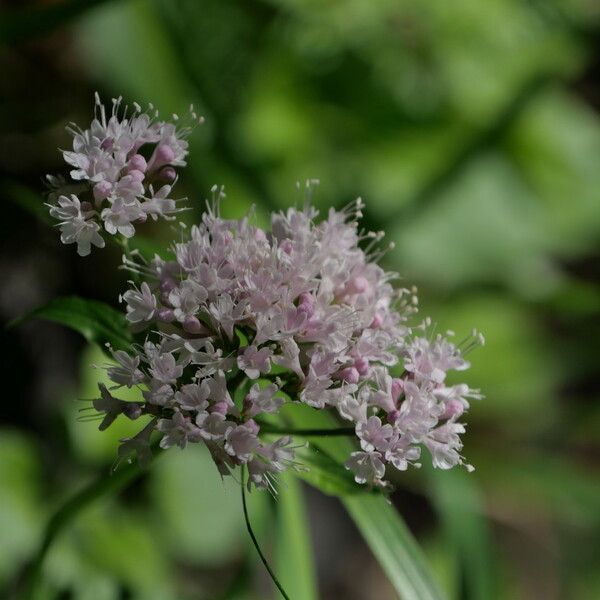
Plant Overview
Known as the "Mountain Valerian," this hardy alpine beauty is a tougher, more compact cousin of the common garden Valerian used for herbal teas. Found clinging to limestone cliffs and rocky meadows across the Alps and Pyrenees, it brings a delicate touch of pink to harsh, high-altitude landscapes. It is a true survivor that prioritizes resilience over size.
🔍 How to Identify
- 🌸 Cluster Blooms: Small, trumpet-shaped flowers that range from pure white to a soft, blush pink, gathered in dense, rounded clusters at the top of the stems.
- 🍃 Glossy Foliage: The lower leaves are smooth, slightly fleshy, and oval-shaped, forming a neat rosette that stays close to the earth to avoid biting mountain winds.
- 📏 Sturdy Stems: Unlike its lanky lowland relatives, this species usually stays between 20-40 cm tall, featuring a reddish tint on its upright, unbranched stalks.
🏡 In Your Garden
- 🪨 Rocky Roots: It is a specialist for rock gardens or stone wall crevices. It demands "sharp drainage," meaning the water must flow away quickly; it will not tolerate soggy soil during the winter months.
- 🏔️ Cool Temperament: This plant loves the sun but hates the humidity. It is best suited for gardeners in cooler climates or higher elevations where the summer nights remain refreshing rather than sweltering.
⚠️ Safety & Toxicity
- 🐾 Cat Attraction: Much like catnip, Mountain Valerian contains actinidine, a compound that can drive cats into a state of playful euphoria. It is not toxic, but your feline friends may try to roll on or dig up the plant.
- 👶 Non-Toxic: The plant is generally considered safe for humans and pets, though the roots possess a very distinct, "musky" odor that many people find off-putting.
✨ Fun Fact
The name Valeriana is derived from the Latin verb valere, which means "to be strong" or "to be healthy." While its roots were historically used in folk medicine, the mountain variety is mostly prized today for its ability to "be strong" in the face of freezing temperatures and rocky terrain.

Detailed Care Instructions
To grow Valeriana Montana, also known as mountain valerian or mountain heliotrope, follow these steps:
- Climate and Soil: Valeriana Montana prefers temperate climates and thrives in loamy, well-drained soil. Select a garden spot with full sun to partial shade, ideally with a cool, moist environment.
- Planting: Start by preparing the soil before planting. Loosen it using a garden fork or tiller to a depth of 12 to 15 inches (30-38 cm). Remove any weeds or debris from the area. You can sow seeds directly in spring or fall, or start with seedlings purchased from a nursery.
- Sowing Seeds: If you choose to sow seeds directly, lightly sprinkle them on the soil surface and cover them with a thin layer of soil or compost. Keep the soil consistently moist until the seedlings emerge, usually within 2-3 weeks.
- Transplanting Seedlings: If you start with seedlings, dig holes slightly larger than the root ball of the young plant. Place the seedlings in the holes and gently firm the soil around them, leaving enough space between each plant to allow for growth.
- Watering: Valeriana Montana prefers consistent moisture but can tolerate short periods of drought. Water the plants regularly, keeping the soil evenly moist but not waterlogged.
- Fertilizing: Apply a balanced, slow-release fertilizer in early spring when the plants are actively growing. Follow the instructions on the fertilizer packaging for application rates.
- Mulching: Apply a layer of organic mulch around the base of the plants to help retain moisture, suppress weeds, and insulate the soil. Avoid mulching directly against the stems to prevent rotting.
- Pruning: Valeriana Montana may benefit from occasional pruning to maintain its shape and promote bushier growth. Remove any dead or diseased branches, and cut back flowering stems after blooming to encourage new growth.
- Pest and Disease Control: Valeriana Montana is generally resistant to pests and diseases. However, occasionally aphids, slugs, or powdery mildew may appear. Use organic or natural methods of pest control if necessary, such as handpicking insects or using insecticidal soap.
- Harvesting: Valeriana Montana is often grown for its medicinal properties. Harvest the root in the fall, when the plant is dormant. Dig up the entire plant, carefully shake off excess soil, and wash the roots. Dry them thoroughly before storing in a cool, dry place.
By following these steps, you can successfully grow Valeriana Montana and enjoy its beautiful flowers and potential medicinal benefits.

Place in a bright room that is sun drenched almost all day. Or directly in a south-facing window.

To water this plant, it is important to keep the soil around the roots moist but not waterlogged. It is best to water deeply once or twice a week rather than shallowly every day. Make sure the water reaches the entire root ball, and avoid getting water on the leaves to prevent leaf rot. If you are unsure when to water, stick your finger about an inch into the soil; if it feels dry, it's time to water. During hot or dry periods, the plant may require more frequent watering. Watering in the morning or evening, when temperatures are cooler, can also help prevent evaporation and reduce stress on the plant.
Valeriana Montana requires a balanced fertilizer with equal parts nitrogen, phosphorus, and potassium. Use a slow-release fertilizer that is low in salts. Apply the fertilizer once every two weeks during the growing season, starting in early spring and ending in late summer. Water the plant thoroughly after applying the fertilizer to ensure it reaches the roots. Avoid fertilizing in the fall and winter, as the plant is dormant during this time.
The ideal soil for Valeriana Montana plant is a well-draining loamy soil that is rich in organic matter. It should be slightly acidic with a pH ranging from 5.5 to 6.8. The plant prefers a soil that is moist but not waterlogged.
To create the perfect soil, mix garden soil with equal parts of peat moss, perlite, and sand. This mixture will provide good drainage and aeration, promote nutrient absorption, and prevent the soil from becoming compacted.
It is essential to avoid using heavy clay soils or soils that are prone to waterlogging, as these can cause root rot and other diseases in the plant. Additionally, the soil should never be allowed to dry out completely, as this can cause stress and damage to the plant.
In summary, the ideal soil for Valeriana Montana is well-draining, slightly acidic, moisture-retentive, and rich in organic matter.
Valeriana montana can be propagated through division of its roots or by seeding. For division, it is best to divide the roots in the early spring before the plant starts its active growth. Carefully dig up the plant and separate the roots into sections, ensuring that each section has a portion of the crown and a few root segments. Replant each piece in a prepared bed or container with well-draining soil, ensuring that the crown is not buried too deeply.
Seeding can also be done in the early spring by sowing the seeds directly into the soil or starting them indoors and transplanting them once they are large enough to handle. To sow the seeds, prepare the soil and create shallow furrows with a rake, then press the seeds into the soil and cover lightly with soil or mulch. Ensure that the soil remains moist until the seedlings emerge.
Once propagated, Valeriana montana should be grown in a sunny to partly shaded area with well-draining, slightly acidic soil. Water regularly during the growing season and fertilize with a balanced fertilizer once a month. The plant may require staking to prevent it from toppling over, especially in windy locations.








