Plant Overview
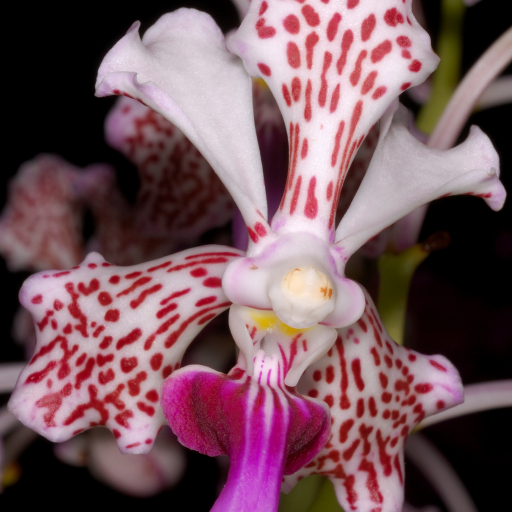
Often called the "Leopard Orchid" or "Three-Colored Vanda," this Indonesian beauty is a titan of the orchid world. Native to the volcanic slopes of Java and Bali, it is celebrated for its spicy, cinnamon-like perfume and dramatic, waxy blooms that look like they were hand-painted. Unlike many modern hybrids, the Vanda tricolor retains a wild, architectural elegance that makes it a centerpiece for any tropical plant collection.
🔍 How to Identify
- 🌸 Bloom Patterns: Distinctive waxy flowers with a white or cream base, heavily speckled with reddish-brown or purple "leopard spots."
- 👅 The Magenta Lip: A prominent, three-lobed labellum (lip) that is usually a deep, vibrant magenta or purple, contrasting sharply with the spotted petals.
- 🍃 Growth Habit: A large monopodial orchid with long, leathery, strap-shaped leaves that grow in an alternating V-shape along a sturdy central stem.
- ☁️ Aerial Roots: Thick, silvery-grey roots that grow outward and downward, designed to cling to trees and absorb moisture directly from the humidity in the air.
🏡 In Your Garden
- 🌬️ The Air Element: Because it is a true epiphyte, this plant hates being "smothered" in traditional soil. It prefers to hang in wooden slat baskets with its roots dangling freely, mimicking its life in the jungle canopy.
- ☀️ Light & Energy: It is a sun-lover but cautious of midday burns. If the leaves turn a very dark green, it’s a sign the plant isn't getting enough light to produce its famous flowers.
- 💧 Thirsty Roots: Without soil to hold moisture, the dangling roots need frequent "baths." In the heat of summer, it may require daily misting or soaking to keep the thick roots from shriveling.
⚠️ Safety & Toxicity
- ✅ Safe Status: This orchid is non-toxic to humans, cats, and dogs.
- 🐾 Pet Friendly: It is a "worry-free" plant for households with curious pets, though the stiff, leathery leaves can be a choking hazard if a pet decides to use them as a chew toy.
- 🧴 Mild Irritation: While not poisonous, the sap from a broken stem may cause very mild skin irritation in individuals with highly sensitive skin.
✨ Fun Fact
The Vanda tricolor var. suavis is so prized for its scent that it has been used as a primary parent for hundreds of modern orchid hybrids, passing down its legendary "spicy-sweet" fragrance to generations of award-winning flowers.

Detailed Care Instructions
To grow a Vanda tricolor plant, follow these steps:
- Choose a suitable location: Vanda tricolor plants thrive in bright, indirect sunlight. Select a spot that receives ample light, but make sure to protect the plant from intense, direct sunlight as it can scorch the leaves.
- Provide proper temperature and humidity: These plants prefer warm temperatures between 65-85°F (18-29°C) during the day and slightly cooler temperatures at night. Maintain a humidity level of 50-70% by using a humidifier or placing a tray of water near the plant to prevent dryness.
- Select the right pot and growing medium: Vanda tricolor plants require a well-draining growing medium to prevent waterlogging. Choose a pot that has multiple drainage holes and fill it with a mix of coarse bark chips or sphagnum moss.
- Watering: These plants prefer slightly moist conditions. Water your Vanda tricolor plant once or twice a week, ensuring that the growing medium is evenly moist but not soaking wet. Avoid overwatering, as it can lead to root rot.
- Fertilization: Feed your Vanda tricolor plant with a balanced orchid fertilizer, diluted to half or quarter strength, once a month during the growing season (spring and summer). Reduce or stop fertilizing during the dormant period (fall and winter).
- Air circulation: Vanda tricolor plants benefit from good air circulation. If growing indoors, use a fan to create a gentle breeze that mimics their native habitat.
- Repotting: As the plant grows, it may outgrow its pot. Repot your Vanda tricolor every 1-2 years, preferably after flowering. Choose a larger pot and fresh growing medium, making sure to trim any dead or rotting roots.
- Care during flowering: Vanda tricolor plants produce magnificent flowers that can last several weeks. Provide the plant with a stake or trellis for support, and avoid handling the flowers excessively as they may drop prematurely.
- Pest and disease control: Regularly inspect your Vanda tricolor plant for pests like spider mites or aphids. Treat any infestations promptly with an appropriate insecticide or by wiping the leaves with a damp cloth. Watch out for signs of diseases like fungal or bacterial infections and address them immediately.
By following these steps and providing proper care, you can successfully grow a Vanda tricolor plant and enjoy its beautiful blooms.

Place in a window with dappled sun or a spot in the middle of a room. Or directly in a window facing west or east.

To water this plant, it is important to thoroughly saturate the roots while avoiding getting the leaves wet. Use room temperature or lukewarm water to avoid shocking the plant. The frequency of watering is determined by the moisture level of the potting medium and the surrounding environment. It is important not to let the potting medium dry out completely, but also avoid overwatering as it can lead to root rot. It may be beneficial to mist the air around the plant with a spray bottle to increase humidity levels.
- Use a balanced water-soluble fertilizer with a ratio of 20-20-20.
- Mix the fertilizer with water according to the instructions on the package.
- Apply the fertilizer solution to the soil or roots of the plant during its active growth period.
- Water the plant thoroughly before and after fertilizing to prevent root burn.
- Repeat this process every 4-6 weeks to maintain healthy growth and blooming.
Vanda Tricolor plants thrive in a well-draining potting mix that is specifically formulated for orchids. This type of soil should be rich in organic material and have good aeration to allow for proper root growth and airflow. A mix that includes materials such as coarse bark, sphagnum moss, perlite, and charcoal is typically ideal for Vanda Tricolor plants. This combination provides the necessary nutrients, moisture retention, and drainage that these plants need to flourish. It is important to avoid using regular potting soil or soil mixes that are too dense or water-retentive, as they can lead to root rot and other issues. Additionally, repotting Vanda Tricolor plants every 1-2 years in fresh soil is recommended to ensure their continued health and vitality.
To propagate this type of orchid, you can carefully divide the plant into several sections during the spring or fall. Use sterile tools to prevent any infections or damage to the plant. Place each section with at least one healthy stem and root into a separate pot containing a well-draining orchid mix. Water thoroughly and keep in a warm, humid location with bright, filtered light. Provide additional support for the new plant sections until they establish a strong root system.
Common pests of the orchid include Scale insect, mealybugs, spider mites, thrips. Make a habit of checking your orchid frequently for pests so that any infestations can be caught and managed early.








