Plant Overview
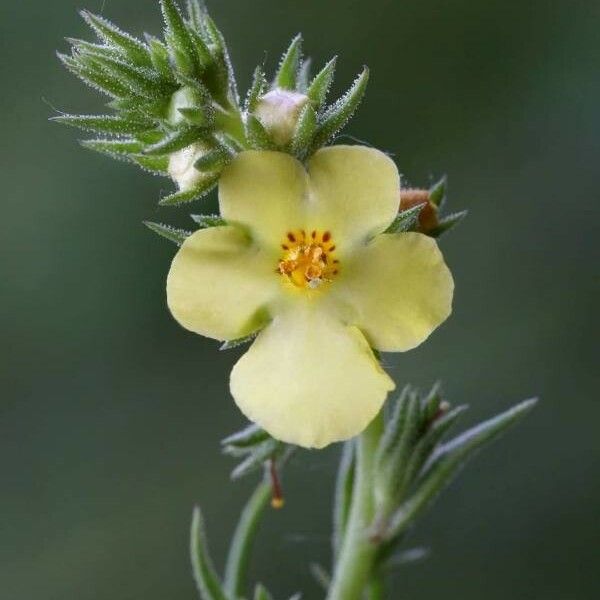
Known as the Oriental Mullein, this architectural beauty bridges the gap between wild meadows and structured gardens. This species offers a more refined elegance than its common roadside cousins, featuring slender spikes and vibrant "bearded" flowers that look like tiny, fuzzy jewels. It is a favorite for those looking to add vertical drama and a touch of Mediterranean flair to their landscape.
🔍 How to Identify
- 🌼 Bearded Centers: The most striking feature is the bright yellow petals contrasted with vivid purple or reddish-orange hairy filaments (the "beard") in the center of each blossom.
- 🍃 Textured Foliage: It forms a low-growing basal rosette of crinkled, slightly hairy green leaves that look like a soft, textured carpet before the flower stalk rises.
- 📏 Architectural Spikes: It produces tall, slender, and often branching flower spikes that create a vertical "exclamation point" in the garden, often reaching 3 to 4 feet in height.
🏡 In Your Garden
- ☀️ Sun Seeker: This plant is a true child of the sun. It thrives in open, exposed areas and will become floppy or "leggy" if forced into the shade.
- 🏜️ The Taproot Factor: It possesses a deep taproot that helps it survive intense droughts, but this same root makes it hate being moved. Choose its home carefully, as it rarely survives transplanting once its roots have settled.
- 🦋 Pollinator Magnet: The unique purple hairs on the stamens aren't just for show; they provide a perfect landing platform for bees and hoverflies seeking nectar.
⚠️ Safety & Toxicity
- 🐾 Pet Safety: Oriental Mullein is generally considered non-toxic to cats and dogs. It is a safe choice for household gardens with curious pets.
- 🖐️ Skin Irritation: The fine, felt-like hairs on the leaves can occasionally cause mild skin irritation or "itching" for people with sensitive skin. It is best to wear gloves if you are pruning a large number of them.
✨ Fun Fact
Historically, the tall, dried stalks of Mullein plants were dipped in animal fat or wax and used as torches. This earned the genus nicknames like "Hag’s Taper" and "Candlewick Plant," as the sturdy stems could burn for a surprisingly long time!

Detailed Care Instructions
To grow Verbascum Orientale plant, you can follow these steps:
- Select a suitable location: Verbascum Orientale thrives in well-drained soil and prefers full sun or light shade. Choose a spot in your garden that receives at least 6 hours of direct sunlight.
- Prepare the soil: Verbascum plants prefer soil that is slightly alkaline, sandy, and well-draining. If your soil is heavy or clay-like, incorporate some organic matter such as compost or well-rotted manure to improve its texture and drainage.
- Sow seeds or plant seedlings: You can either sow Verbascum Orientale seeds directly in the garden or start them indoors 6-8 weeks before the last expected frost. If starting indoors, sow the seeds in a seed tray or individual pots filled with potting soil, and keep them in a warm location until germination.
- Transplant seedlings or thin seedlings: Once the seedlings are large enough to handle, you can transplant them outdoors. If you've sowed seeds directly in the garden, thin them out to allow sufficient space for each plant to grow.
- Water regularly: Water the plants regularly, especially during dry periods, but avoid overwatering as Verbascum plants are susceptible to fungal diseases. Water at the base of the plant to keep the foliage dry.
- Mulch the soil: Apply a layer of organic mulch such as shredded bark or straw around the base of the plant to conserve soil moisture, suppress weeds, and regulate soil temperature.
- Provide support: Verbascum Orientale can grow quite tall, so it's a good idea to provide support such as stakes or a plant cage to prevent the stems from bending or breaking.
- Deadhead spent flowers: Remove faded or spent flowers regularly to encourage continuous blooming. This will also prevent the plant from self-seeding excessively.
- Protect from pests and diseases: Watch out for common pests like aphids or slugs, and treat them promptly if necessary. Additionally, ensure proper air circulation around the plant to prevent fungal diseases.
- Divide or propagate: Verbascum Oriental plants can be divided every few years to rejuvenate them and increase their numbers. Simply dig up the mature plant, carefully separate the clumps, and replant them in prepared soil.
By following these steps, you should be able to successfully grow Verbascum Orientale in your garden and enjoy its beautiful blooms.

Place in a bright room that is sun drenched almost all day. Or directly in a south-facing window.

To water the Verbascum Orientale plant, make sure to follow these steps:
1. Determine the watering needs: Verbascum Orientale generally prefers moderate watering. It is essential to keep the soil moist but not excessively wet.
2. Check the soil moisture: Before watering, check the moisture level of the soil. Insert your finger or a small gardening tool about an inch deep into the soil. If it feels dry at this depth, it's time to water the plant.
3. Watering method: Use a watering can or a garden hose with a gentle spray nozzle to water the plant. Avoid using a high-pressure nozzle that may harm the plant's delicate foliage.
4. Watering technique: Aim to water the base of the plant. Direct the water towards the soil around the roots rather than spraying it over the leaves or flowers. This helps prevent diseases and encourages healthy root development.
5. Observe drainage: Verbascum Orientale prefers well-draining soil, so avoid overwatering as it can lead to root rot. Allow the excess water to drain out freely to prevent waterlogging.
6. Watering frequency: The watering frequency will depend on various factors, such as the climate, soil type, and container size if grown in pots. As a general guideline, water the plant deeply once a week during dry spells or when the soil feels dry. Adjust the frequency based on the plant's needs and the weather conditions.
7. Mulching: Applying a layer of organic mulch around the base of the plant can help retain soil moisture and prevent evaporation. This can reduce the frequency of watering, especially during hot summer months.
8. Monitor plant health: Regularly inspect the plant for signs of underwatering or overwatering. If the leaves appear wilted, droopy, or show signs of discoloration, it may indicate the need to adjust the watering routine accordingly.
By following these guidelines, you can ensure proper watering practices for the Verbascum Orientale plant and help it thrive in your garden.
Here are fertilizing instructions for Verbascum Orientale plant:
- Choose a balanced fertilizer: Look for a granular, slow-release fertilizer with an N-P-K ratio of 10-10-10 or a similar composition.
- Timing: Begin fertilizing in early spring, just as new growth starts to emerge. Continue fertilizing every four to six weeks until late summer.
- Dilution or application: Dilute the fertilizer according to the package instructions or follow a recommended dosage. Apply the fertilizer around the base of the plant, ensuring you cover the entire root zone.
- Avoid direct contact: Do not allow the fertilizer to touch the foliage or stems of the plant as it may cause burning or damage. Water the plant thoroughly after fertilization to prevent any potential harm.
- Monitoring: Observe the plant's response to the fertilizer. If you notice excessive growth or if the plant seems stressed, adjust the fertilizer dosage or frequency accordingly.
- Stop fertilizing in late summer: As the plant prepares for dormancy, cease fertilizing in late summer or early fall to allow it to naturally enter its resting phase.
Remember to always follow the specific instructions provided by the fertilizer manufacturer and adjust the fertilizing regimen based on the plant's individual needs.
Verbascum Orientale is a perennial flowering plant that requires well-draining soil for optimum growth. It prefers a slightly alkaline soil pH ranging from 6.5 to 8.5. When selecting the soil for this plant, it is important to ensure that it is loose, porous, and rich in organic matter.
The ideal soil for Verbascum Orientale should have good water retention capabilities while allowing excess water to drain away. This helps prevent waterlogging, which can lead to root rot and other fungal diseases. Loamy soil, which is a balanced mixture of sand, silt, and clay, is generally recommended for Verbascum Orientale.
Adding organic matter, such as compost or well-rotted manure, can greatly improve both the soil structure and nutrient content. This organic matter helps retain moisture, provides essential nutrients, and promotes beneficial microbial activity within the soil.
Before planting Verbascum Orientale, it is advisable to loosen the soil and remove any large rocks or debris. This allows the roots to penetrate easily and helps prevent drainage issues. Additionally, adding a layer of mulch around the base of the plant can aid in retaining soil moisture, regulating soil temperature, and suppressing weeds.
Overall, providing well-draining, organically enriched soil will create an optimal growing environment for Verbascum Orientale, promoting healthy foliage and vibrant blooms.
Verbascum orientale is a perennial flowering plant that can be propagated through various methods, including seeds, stem cuttings, and division. Here's a detailed explanation on how to propagate Verbascum orientale without mentioning its common names:
- Choosing the propagation method: Select the preferred propagation method based on the plant's growth stage and your preference. Seeds are suitable for starting new plants, while stem cuttings and division are better for established plants.
- Collecting seeds: Wait for the flowers to fade and the seed capsules to develop on the plant. Once the capsules turn brown and start to split, carefully collect the seeds by gently tapping or rubbing the capsules. Place the seeds in a paper bag or envelope, ensuring they are fully dry before storing.
- Stratifying seeds (optional): Some Verbascum orientale seeds may require cold stratification to stimulate germination. Simulate winter conditions by placing the seeds in a moist paper towel or seed tray, then refrigerate them for a few weeks before sowing.
- Sowing seeds: Fill a seed tray or small pots with a well-draining seed-starting mix. Sow the Verbascum orientale seeds on the surface, gently pressing them into the soil without covering them completely. Mist the soil lightly to provide moisture.
- Providing optimal conditions: Place the seed tray or pots in a warm location with bright, indirect sunlight. Maintain a temperature of around 70-75°F (21-24°C) for successful germination. Regularly check the soil moisture and keep it consistently moist, but not waterlogged.
- Transplanting seedlings: Once the Verbascum orientale seedlings have developed a few sets of true leaves, they can be transplanted into larger pots or directly into the garden. Ensure the soil is well-draining and amend it with organic matter if necessary.
- Taking stem cuttings: Select healthy stems with no flowers or buds and use clean, sharp pruning shears or a knife to take 4-6 inches (10-15 cm) long cuttings. Remove the lower leaves, leaving only a few on the top. Dip the cut end into rooting hormone powder and plant it in a pot filled with a well-draining propagation mix.
- Rooting stem cuttings: Place the potted stem cuttings in a warm location with bright, indirect light. Mist the foliage and soil regularly to maintain humidity. Keep the soil slightly moist but avoid overwatering. Roots should develop in 4-6 weeks.
- Dividing established plants: Dig up a mature Verbascum orientale plant in early spring or late summer, ensuring you lift the entire root system. Gently separate the plant into smaller clumps using a sharp knife or garden fork. Replant the divisions immediately in well-prepared soil, keeping the crown of the plant at the same level as before.
- Maintaining propagated plants: Provide the new Verbascum orientale plants with appropriate care, including watering when the soil feels dry, regular fertilization with a balanced slow-release fertilizer, and protection from extreme weather conditions. With proper maintenance, the propagated plants should grow into healthy and blooming individuals.








