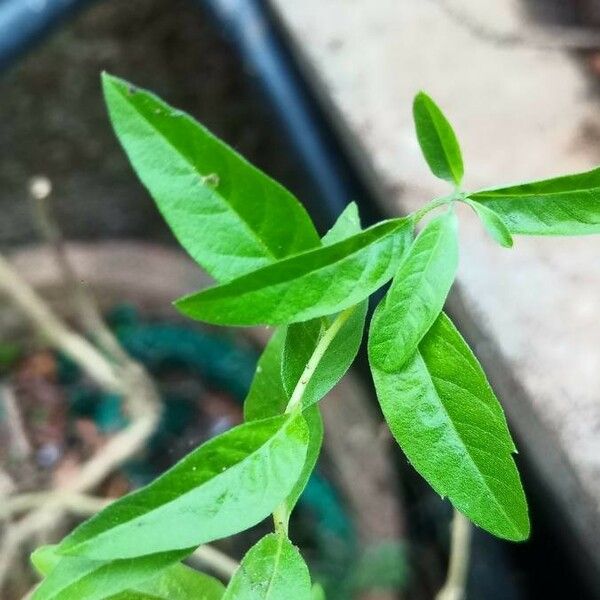
Plant Overview
Often called "Tall Verbena" or "Purpletop," Verbena × Argentina (and its close relatives) is the ballerina of the garden world. It is a "see-through" plant, meaning it stands tall on wiry, nearly invisible stems that allow it to dance in the wind without blocking the view of the flowers behind it. Native to the sun-drenched grasslands of South America, it brings a wild, airy elegance to even the most formal landscapes.
🔍 How to Identify
- 🌸 Cluster Blooms: Dozens of tiny, vibrant violet-purple flowers are bunched together into tight, flat-topped clusters at the very tips of the stalks.
- 📏 Sturdy Square Stems: If you roll a stem between your fingers, you’ll feel four distinct corners. These stems are surprisingly strong and have a rough, sandpaper-like texture.
- 🍃 Sparse Foliage: The dark green, lance-shaped leaves have serrated edges and mostly hug the base of the plant, leaving the tall flowering stalks looking minimalist and lean.
🏡 In Your Garden
- 🦋 The Pollinator Magnet: This plant is legendary among butterfly enthusiasts. It is one of the most reliable nectar sources for Monarchs, Swallowtails, and hummingbirds from mid-summer until the first frost.
- 🌬️ Strategic Placement: Because of its airy structure, you can break the "tall plants in the back" rule. Plant it at the front or middle of a border to create a hazy purple mist that adds depth to your garden layout.
- 🌱 The Gentle Wanderer: While individual plants may be short-lived, they are prolific self-seeders. You will often find "volunteer" seedlings popping up in unexpected places, like gravel paths or between cracks in pavement, which adds a charming, naturalized look to the yard.
⚠️ Safety & Toxicity
- 🐾 Pet Friendly: This Verbena is generally considered non-toxic to dogs, cats, and horses, making it a "worry-free" addition to a family garden.
- 🖐️ Skin Irritation: The bristly, stiff hairs on the stems can be abrasive. If you have sensitive skin, you might experience mild redness or itching after handling the plant without gloves.
✨ Fun Fact
During the Great Monarch Migration, Verbena × Argentina acts like a high-octane refueling station. Because the tiny flowers bloom in succession within the cluster, a single plant provides a steady, weeks-long buffet for traveling butterflies.

Detailed Care Instructions

Place in a bright room that is sun drenched almost all day. Or directly in a south-facing window.

The best way to water this plant is to make sure that the soil is evenly moist, but not soggy. Before watering, check the top inch of soil with your finger. If it feels dry, it is time to water the plant. Using a watering can with a narrow spout, slowly pour water onto the soil, being careful not to get water on the leaves or flowers. Water the plant deeply, ensuring that the water reaches the roots. Allow the top inch of soil to dry out slightly between watering, but do not let the soil dry out completely. Overwatering can lead to root rot, so it is important to not water too frequently. In the summer months, when the plant is actively growing, it may need to be watered more frequently than in the winter or fall. If grown in a container, make sure the container has drainage holes to allow excess water to drain out.
These plant needs regular fertilizing during growing seasons. Fertilizing your plants in dormant state during the winter, might result in scorching or browning of the leaf tips. If mature plants display signs of nutrient insufficiency, fertilizer administration is necessary to restore the plant to its previous state.
You may use Flower Fertilizer or All Purpose Fertilizer for your Argentinian Vervain
The best type of soil to use for Verbena × Argentina plant is a well-draining, loamy soil. This type of soil has a good balance of sand, silt, and clay, which allows for good drainage and helps prevent waterlogged soil. It also has a lot of organic matter, which improves the soil's fertility and provides important nutrients for the plant.
The pH of the soil should be slightly acidic to neutral, ideally between 6.0 and 7.5. This range is optimal for the plant's growth and helps it absorb nutrients efficiently.
To improve drainage, you can add sand or perlite to the soil mix. If the soil is clay-heavy, you can also add organic matter or compost to improve the soil's structure and aeration.
When planting Verbena × Argentina, make sure the soil is moist but not waterlogged. Water regularly, but avoid overwatering as this can cause root rot. Additionally, it's a good idea to mulch around the base of the plant to help retain moisture and prevent weeds from growing.
Common pests of the argentinian vervain include Scale insect, spider mites, aphids, thrips, whiteflies. Make a habit of checking your argentinian vervain frequently for pests so that any infestations can be caught and managed early.








