Plant Overview
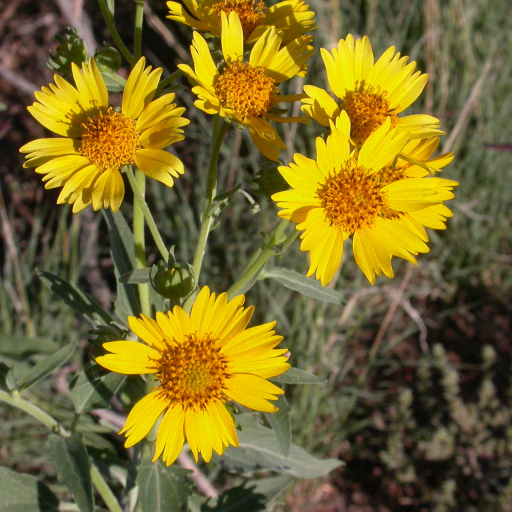
Known as the Golden Crownbeard or the Cowpen Daisy, this sun-loving wildflower is a resilient staple of the American West and Mexico. It earns its royal name from the distinct, fringed "crown" of golden petals that surround its central disk. While some consider it a hardy weed, its ability to thrive in parched, neglected soil makes it a symbol of endurance in the botanical world.
🔍 How to Identify
- 👑 The "Crown": The flower heads feature bright yellow ray petals that are distinctly notched or three-toothed at the tips, giving them a jagged, crown-like appearance.
- 🍃 Arrow Foliage: The leaves are typically triangular or arrow-shaped with coarsly toothed edges, usually arranged alternately along the upper stems.
- ☁️ Velvety Texture: The entire plant, especially the underside of the leaves, is covered in fine, silver-gray hairs that give the foliage a soft, frosted look and a slightly sticky feel.
🏡 In Your Garden
- 🌱 Disturbance Lover: This plant is a "pioneer species," meaning it is often the first to show up in "disturbed" areas like construction sites, overgrazed pastures, or empty lots. It thrives in poor, sandy soil where more delicate flowers would wither.
- 🌻 Pollinator Magnet: If you are looking to support local wildlife, this is a powerhouse. It is a critical nectar source for the Bordered Patch butterfly and provides high-quality pollen for native honeybees during the heat of mid-to-late summer.
⚠️ Safety & Toxicity
- 🐾 Toxic to Animals: The Golden Crownbeard contains a compound called galegine. It is notoriously toxic to livestock, particularly sheep and cattle, and can cause rapid respiratory distress if grazed upon.
- 🚫 Pet & Child Safety: While not usually fatal to humans, it is considered toxic to dogs and cats. Ingestion can lead to vomiting or lethargy, so it is best kept in areas where curious pets cannot snack on the foliage.
✨ Fun Fact
The Golden Crownbeard practices "chemical warfare." It is allelopathic, meaning it releases specific chemicals into the surrounding soil that inhibit the seeds of other plants from germinating, effectively clearing out the competition to ensure its own survival!

Detailed Care Instructions
| Humidity | Dry |
| Lighting | Full Sun |
| Difficulty | Medium |
| Hibernation | Cold Period |
| Hardiness Zones | 2 - 11 |
To grow Verbesina encelioides, also known as cowpen daisy or golden crownbeard, you can follow these steps:
- Choose the right location: Verbesina encelioides thrives in full sun, so choose a spot in your garden that receives at least 6 to 8 hours of direct sunlight per day.
- Prepare the soil: Cowpen daisy prefers well-draining soil. Amend the soil with organic matter, such as compost, to improve drainage if needed.
- Sow the seeds: Cowpen daisy is typically grown from seeds. Scatter the seeds directly on the surface of the soil and lightly press them into the soil. Keep in mind that this plant self-sows readily, so you may want to limit the number of seeds you sow if you don't want the plant to spread excessively.
- Watering: Water the seeds and keep the soil consistently moist until they germinate. Once established, cowpen daisy is drought-tolerant and will only require occasional watering during dry periods.
- Maintenance: As the plant grows, you may want to thin or transplant seedlings to maintain adequate spacing, as they can spread quickly. Remove any weeds that compete with the plant for nutrients and space. Pruning is not necessary for cowpen daisy, but you can deadhead spent flowers to encourage continuous blooming.
- Pests and diseases: Verbesina encelioides is relatively resistant to pests and diseases. However, keep an eye out for common garden pests like aphids or caterpillars and address them accordingly if needed.
- Enjoy the blooms: Cowpen daisy produces bright yellow daisy-like flowers, which attract pollinators like bees and butterflies. As an added bonus, the flowers can be cut and used in floral arrangements.
Remember that Verbesina encelioides is considered an invasive species in some areas, so it is important to be aware of the regulations and potential impacts in your region before planting.

Place in a bright room that is sun drenched almost all day. Or directly in a south-facing window.

Verbesina encelioides is a type of flowering plant that requires appropriate watering to ensure proper growth and healthy development. It is a drought-tolerant plant, but it still requires regular watering to thrive.
When watering the plant, it is essential to give the soil a deep soak rather than just wetting the surface. This helps the roots to absorb water more efficiently, and it also encourages deep root growth. Water the plant once a week, but more frequently during hot and dry weather conditions.
To prevent water from gathering around the plant's roots and causing root rot, avoid watering late in the day or at night. Instead, water the plant early in the morning or early afternoon when the sun is not too hot.
When watering, ensure that the water reaches the plant's entire root system, taking care not to wet the leaves as this can encourage the growth of fungal infections. Water the soil only, but not the foliage.
Additionally, during the colder months, it is necessary to adjust watering to suit the reduced sunlight and temperature levels. As a general rule, reduce watering to only once every two weeks or so.
By following these watering guidelines, your Verbesina encelioides will stay healthy and vibrant, producing beautiful flowers for years to come.
- Choose a balanced fertilizer with a ratio of N-P-K (nitrogen, phosphorus, and potassium) of 10-10-10 or similar.
- Apply the fertilizer during the plant's active growing season, typically in the spring and summer.
- Follow the instructions on the fertilizer package carefully, as application rates and methods may vary.
- Water the plant thoroughly before and after fertilizing to prevent root burn.
- Spread the fertilizer evenly around the base of the plant, avoiding contact with the foliage.
- Use caution when handling fertilizer, as it may be harmful to skin and eyes. Wear gloves and protective eyewear.
- Monitor the plant's growth and adjust fertilizing frequency as needed. Over-fertilization may lead to excessive foliage growth and reduced flowering.
The ideal soil for this particular plant should be well-draining, fertile, and slightly acidic, with a pH level between 6.0 and 7.0. It is recommended to use a sandy loam or a mixture of soil and sand with a high percentage of organic matter. The plant thrives in a soil that is rich in nitrogen, phosphorus, and potassium, which are essential for its growth and development. The soil should also be moist but not waterlogged, and should be allowed to dry out slightly between waterings. It is important to avoid using heavy clay soils or those with poor drainage, as they can lead to root rot and other fungal diseases. Regular fertilization is necessary to ensure the plant's healthy growth, with a balanced fertilizer applied every month during the growing season.
Propagation of this plant can be done through several methods, including seed propagation, stem cuttings, and division.
Seed propagation is the easiest, most natural way of propagating this plant. Collect seeds from mature plants after the flowers have faded and the seeds have matured. Sow the seeds in sandy soil and water regularly until germination occurs.
Alternatively, one can propagate Verbesina Encelioides through stem cuttings. Cut the stem from a mature plant, leaving at least two leaves on the stem. Dip the cut end of the stem in rooting hormone and plant it in well-draining soil. Keep the soil lightly moist and in a warm, bright location until the roots develop.
Finally, the plant can also be propagated through division. Carefully separate the plant's rootball into smaller portions and plant them in separate containers. Keep them in a warm, bright location and water regularly until they establish themselves.








