Plant Overview
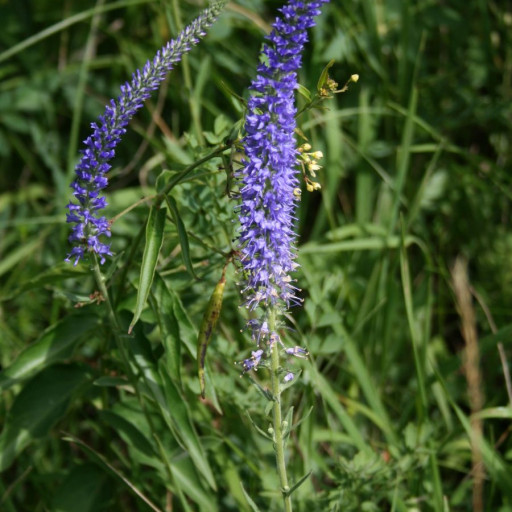
Often called "Spiked Speedwell," this garden classic looks like a collection of tiny, vibrant wands pointing toward the sky. Originally hailing from the rocky slopes of Europe and Northern Asia, it has become a staple in modern landscapes for its "tough-as-nails" personality and long-lasting summer color. Its elegant, upright habit makes it look like it’s constantly standing at attention, waiting to greet the morning sun.
🔍 How to Identify
- 🏰 Flower Spikes: Long, slender racemes (spikes) packed with dozens of tiny, star-shaped flowers that bloom sequentially from the bottom to the top.
- 🍃 Foliage: Narrow, lance-shaped green leaves with slightly serrated edges that form a tidy, dense mound at the base of the plant.
- 📏 Growth Habit: Stiffly upright stems that rarely flop over, giving it a very structured and architectural look compared to floppier wildflower cousins.
🏡 In Your Garden
- ☀️ Sun Seeker: This plant is a true sun-worshipper. While it can survive in light shade, too much "shade-bathing" will make the flower spikes stretch and lean, causing the plant to lose its iconic vertical shape.
- ✂️ The Deadheading Trick: To keep the "magic show" going all summer, snip off the flower spikes as soon as they begin to fade. This prevents the plant from wasting energy on seeds and encourages a second flush of blooms.
- 🦋 Pollinator Runway: Because the flowers open slowly over several weeks, it provides a long-term buffet for bees and butterflies, who find the upright spikes very easy to land on.
⚠️ Safety & Toxicity
- 🛡️ Pet Friendly: Great news for curious paws! Veronica spicata is generally considered non-toxic to dogs, cats, and horses.
- 👶 Family Safe: It is a safe choice for children's gardens. It has no thorns or irritating saps, though the textured leaves can sometimes feel slightly rough to very sensitive skin.
✨ Fun Fact
- 📜 The common name "Speedwell" is an old English term meaning "farewell" or "goodbye." In the past, people would pin a sprig of the flower to a traveler's clothing as a lucky charm to help them "speed well" on their journey and return home safely.

Detailed Care Instructions
| Color | Purplish-Blue, Pink Or White Also Available |
| Soil Ph | Neutral |
| Humidity | Normal |
| Lighting | Part Sun |
| Soil Type | Any Average, Well-Drained Soil |
| Bloom Time | Early Summer Through Late Summer |
| Difficulty | Medium |
| Plant Type | Herbaceous Flowering Perennial |
| Mature Size | 9 To 36 Inches (Depending On Variety) With A Similar Spread |
| Native Area | Northern Europe And Asia |
| Temperature | 12°C - 30°C |
| Sun Exposure | Full Sun |
| Hardiness Zones | 3 To 8, Usda |
To grow Veronica spicata plants, also known as spike speedwell, follow these steps:
- Choose a location: Select a spot in your garden that receives full or partial sun. The soil should be well-draining and fertile.
- Prepare the soil: Loosen the soil with a garden fork or tiller. Remove any weeds or rocks from the area. If the soil is heavy or clay-like, amend it with organic matter like compost or aged manure to improve its drainage.
- Planting: Dig a hole slightly larger than the root ball of the Veronica spicata plant. Place the plant in the hole, making sure the top of the root ball is level with the soil surface. Space multiple plants about 12-18 inches apart.
- Watering: After planting, water the Veronica spicata thoroughly to settle the soil around the roots. Water regularly during the first growing season, keeping the soil consistently moist. Once established, they are moderately drought-tolerant and only require watering during prolonged dry periods.
- Mulching: Apply a layer of organic mulch, such as wood chips or straw, around the plants. This will help retain moisture, suppress weeds, and moderate soil temperature.
- Fertilizing: Veronica spicata plants generally do not require much fertilization. However, applying a balanced, slow-release fertilizer or compost in early spring can encourage healthy growth.
- Pruning: After the plant has finished flowering, you can trim off the spent flower spikes to encourage reblooming or prevent self-seeding. Additionally, you can prune the entire plant by cutting back the stems by about half in early summer to promote bushier growth.
- Propagation: Veronica spicata plants can be propagated by division or by taking stem cuttings. To divide, dig up the plant in early spring or fall, separate the clumps, and replant them. Stem cuttings can be taken during the growing season, dipped in rooting hormone, and placed in a pot with well-draining soil until they root.
By following these steps, you can successfully grow Veronica spicata plants in your garden.

Place in a window with dappled sun or a spot in the middle of a room. Or directly in a window facing west or east.

Veronica Spicata is a perennial plant that requires regular watering to thrive. When watering, it is important to ensure that the soil is moist, but not waterlogged. To achieve this, you should water deeply, applying enough water to allow it to soak deeply into the soil. Avoid over-watering as this can lead to root rot.
The frequency of watering will depend on various factors such as the location of the plant, the soil type, and weather conditions. In hot and dry conditions, the plant may require watering more frequently to prevent wilting and stress.
It is important to maintain a consistent watering schedule to prevent the plant from drying out or becoming waterlogged. Additionally, make sure to water at the base of the plant to avoid getting water on the leaves or flowers, which can lead to disease or rot.
During the dormant season, reduce watering as the plant will require less water. In summary, Veronica Spicata should be watered deeply and frequently enough to maintain moist soil without causing waterlogging or root rot.
To fertilize this plant, use a balanced slow-release fertilizer in the spring or early summer, following the manufacturer's instructions for application rates. You can also apply a liquid fertilizer every two to four weeks during the growing season. Avoid using too much fertilizer to prevent burning the plant's roots.
The ideal soil for this plant is well-draining and nutrient-rich. A mixture of loamy soil and organic compost is recommended. The pH level of the soil should be between 6.0 and 7.5. The plant prefers soil that is slightly acidic to neutral. It is important to avoid using heavy, clay soils as they can lead to poor drainage and root rot. In addition, adding a layer of mulch on top of the soil can help retain moisture and regulate the temperature around the plant's roots.
To propagate this plant, take 4-6 inch stem cuttings and remove the lower leaves. Dip the cut end of the stem into a rooting hormone powder and plant it into a small pot filled with well-draining soil. Keep the soil moist and the pot in a warm, bright location with indirect sunlight. After 2-4 weeks, roots should start to form and the plant can be transplanted into a larger container or outside into the garden.
Common pests of the spiked speedwell include Aphids, snails. Make a habit of checking your spiked speedwell frequently for pests so that any infestations can be caught and managed early.








