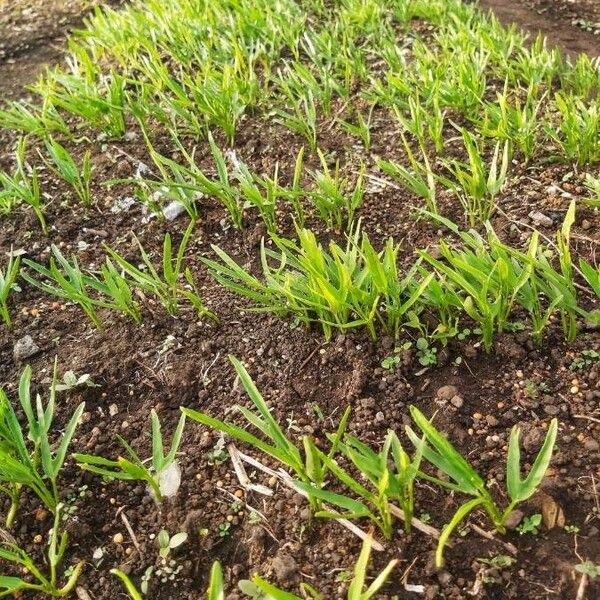
Plant Overview
Known as the "Oil of Tranquility" in its native India, Vetiver (Vetiveria zizanioides) is a tall, perennial bunchgrass that hides its true treasure underground. While it looks like a simple ornamental grass, it is world-renowned for its complex, woody scent and its almost supernatural ability to prevent soil erosion. It is a staple in high-end perfumery and a "green engineer" for landscapes.
🔍 How to Identify
- 🌿 Stiff, Tall Blades: It features long, narrow, and rigid leaves that grow in dense, upright clumps, often reaching heights of 5 feet or more.
- 🌾 Slender Stalks: The stems are tall and compressed, bearing brownish-purple flower panicles that look like delicate, feathery plumes when in bloom.
- 🪵 Deep Vertical Roots: The most defining feature is invisible—a massive, fibrous root system that grows straight down (up to 10 feet) rather than spreading horizontally like most grasses.
🏡 In Your Garden
- 🛡️ Erosion Control: Because the roots grow like a vertical curtain, Vetiver is the ultimate plant for stabilizing slopes or preventing mulch from washing away during heavy rains.
- ☀️ Sun and Space: This grass craves full sun and plenty of heat. While it is incredibly hardy and drought-tolerant once established, it needs space to grow into its large, fountain-like shape without being crowded.
⚠️ Safety & Toxicity
- ✅ Non-Toxic Status: Vetiver is generally considered safe and non-toxic for humans, cats, and dogs. It is frequently used in aromatherapy and even as a flavoring in some regions.
- ✂️ Physical Irritation: The leaf edges can be quite coarse and sharp. It is recommended to wear gardening gloves when pruning or dividing clumps to avoid minor skin scratches.
✨ Fun Fact
In ancient India, woven mats made from Vetiver roots were hung over windows and doors; when sprayed with water, the air blowing through the mats would naturally cool the room while filling it with a relaxing, earthy fragrance!

Detailed Care Instructions
To grow Vetiveria zizanioides (Vetiver) plants, follow these steps:
- Climate and soil: Vetiver plants require a warm, tropical to subtropical climate. They grow best in USDA hardiness zones 9b to 11. Choose a location with full to partial sunlight and well-draining soil.
- Propagation: Vetiver plants can be propagated using seeds, slips (root divisions), or clump divisions. Seeds can be sown directly in the ground. For slips or clump divisions, dig up an existing plant and divide the clump or remove slips with roots attached.
- Planting: Prepare the soil by loosening it and removing any weeds or rocks. Dig a hole twice as wide and deep as the plant's root ball. Place the plant in the hole, ensuring the crown (where roots meet the stem) is at ground level. Backfill the hole with soil, gently firming it around the plant.
- Watering: Water the newly planted Vetiver plant thoroughly and keep the soil moist until it establishes its roots. After that, water deeply but infrequently, allowing the soil to dry out slightly between waterings. Vetiver is drought-tolerant once established.
- Mulching: Apply a layer of organic mulch around the plant to conserve moisture, suppress weed growth, and maintain a cool soil temperature. Keep the mulch a few inches away from the plant's stem to avoid rotting.
- Fertilizing: Vetiver plants generally don't require much fertilizer. However, you can provide a slow-release balanced fertilizer once or twice a year to promote healthy growth.
- Maintenance: Regularly remove any weeds around the plant. If the plant becomes overgrown and forms clumps, divide them every few years to maintain vigorous growth.
- Protection: Vetiver plants are generally resistant to pests and diseases. However, occasional pest problems such as grasshoppers or aphids can occur, which can be controlled using organic insecticides or by introducing beneficial insects.
By following these steps, you can successfully grow Vetiveria zizanioides plants in your garden or landscape. Remember to research specific care requirements based on your region's climate to ensure optimal growth.
Vetiveria Zizanioides plant should be watered thoroughly but infrequently. The soil should be allowed to dry out between watering. Proper drainage should be provided to prevent waterlogging and root rot. The best time to water is early morning or late afternoon to avoid water evaporation during hot weather. Rainwater or distilled water is preferred over tap water which may contain minerals and chemicals that can be harmful to the plant. During the winter season, the plant should be watered sparingly as it goes dormant.
To fertilize this plant, apply a slow-release, balanced fertilizer in the spring and mid-summer. Use a fertilizer with a 3-1-2 NPK ratio, applying 2-3 tablespoons per plant. Avoid getting the fertilizer on the leaves or stems of the plant, and water well after applying.
The ideal soil for the plant that cannot be named is one that is well-draining and rich in organic matter. It should have a pH level of 6.0-8.5, and be able to retain moisture, but not become waterlogged or soggy. A loamy soil is preferable, as it provides a good balance of sand, silt, and clay particles. The addition of compost or other organic amendments can help improve soil fertility and structure. Avoid soils that are too acidic or alkaline, as this can affect the plant's growth and overall health. It is also important to ensure that the soil is free from any contaminants or pollutants that could harm the plant.
The process of propagating this plant involves taking a mature plant and separating its roots into smaller sections called slips or suckers. These slips are then planted in nutrient-rich soil and watered regularly until they have established a strong root system. The new plants can then be transplanted to a permanent location in the garden or field. Another method of propagation is through seed germination, where seeds are collected from mature plants and planted in soil under the right conditions. It is important to note that this plant requires specific care and attention during the propagation process, including regular watering, proper soil drainage, and adequate sunlight.








