Plant Overview
Often called the Birch-leaf Viburnum for its striking resemblance to the foliage of a birch tree, this deciduous shrub is a master of seasonal transformations. Native to the mountain slopes of China, it is a favorite among gardeners who want a "living jewel box" in the autumn. While it remains a quiet, green backdrop for most of the year, it ends the season with a dramatic display of translucent, ruby-red berries that look almost like glass beads.
🔍 How to Identify
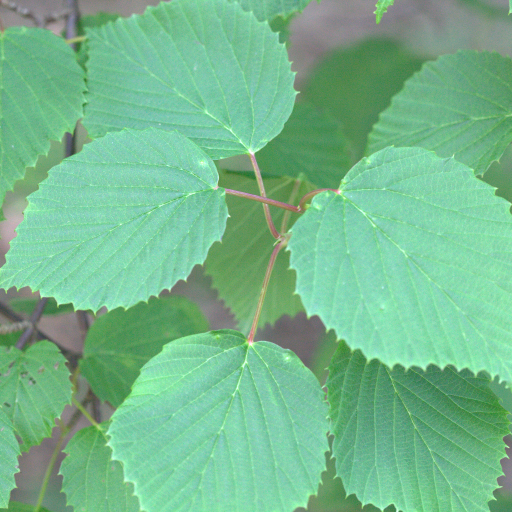
- 🍃 Foliage: The leaves are the namesake feature—ovate, glossy green, and featuring distinct, sharply serrated edges and deep veins that mimic the classic look of a Birch tree.
- 🌼 Flowers: In late spring or early summer, it produces flat-topped clusters (cymes) of tiny, creamy-white blossoms that provide a delicate, lace-like appearance.
- 🍒 The Fruit: The most iconic feature is the autumn display of pendulous, bright red berries. These berries are often so heavy and numerous that they cause the branches to arch gracefully toward the ground.
🏡 In Your Garden
- 🌳 Space to Grow: This shrub is quite vigorous and enjoys an upright, arching habit. It needs room to stretch, often reaching up to 10-12 feet, making it an excellent choice for a natural privacy screen or a "back-of-the-border" specimen.
- 🐦 Wildlife Magnet: While the berries aren't for us, they are an essential late-season feast for birds. If you are a birdwatcher, planting this is like putting out a high-end buffet for your local feathered friends.
- 🍂 Autumn Color: Before the leaves drop, they often turn lovely shades of yellow and bronze, providing a perfect golden backdrop for the shimmering red fruit.
⚠️ Safety & Toxicity
- 🚫 Inedible: The berries are considered mildly toxic to humans and should not be eaten. They contain high levels of tannins which make them taste bitter and unpleasant.
- 🤢 Symptoms: If ingested by children or pets, the berries can cause stomach upset, nausea, or vomiting. While not typically life-threatening, it is best to treat this plant as strictly ornamental.
- 🧤 Sap Sensitivity: Some individuals with sensitive skin may experience mild irritation from the sap when pruning; wearing gloves is a good precaution.
✨ Fun Fact
The species name betulifolium literally translates from Latin to "Birch-leaf." Because it is so hardy and offers such spectacular visual interest, it has been honored with the prestigious Award of Garden Merit by the Royal Horticultural Society.

Detailed Care Instructions
To grow Viburnum Betulifolium plant, you can follow these steps:
- Choose a suitable location: Viburnum Betulifolium plants thrive in full sun to partial shade. Select an area with well-drained soil that is rich in organic matter.
- Prepare the soil: Before planting, prepare the soil by loosening it with a garden fork or tiller. Remove any weeds, rocks, or debris that may hinder the plant's growth.
- Planting: Dig a hole that is slightly larger than the plant's root ball. Place the plant in the hole, ensuring that it is planted at the same depth as it was in the nursery container. Backfill the hole with soil and lightly firm it around the plant's base.
- Watering: After planting, thoroughly water the Viburnum Betulifolium plant to help settle the soil and eliminate any air pockets around the roots. Provide regular watering, aiming to keep the soil consistently moist but not waterlogged.
- Mulching: Apply a layer of organic mulch around the base of the plant to help retain moisture, suppress weed growth, and regulate soil temperature. Leave a gap around the stem to prevent moisture-related issues.
- Pruning: Viburnum Betulifolium generally requires minimal pruning. However, you can remove any dead, damaged, or crossing branches to maintain the plant's health and shape. Prune in late winter or early spring before new growth emerges.
- Fertilizing: Apply a balanced, slow-release fertilizer in early spring to provide the plant with necessary nutrients. Follow the package instructions for appropriate dosage and application method.
- Pest and disease control: Viburnum Betulifolium is relatively resistant to pests and diseases. However, if any issues arise, use appropriate organic or chemical pest control methods according to the specific problem.
- Winter care: In colder regions, protect the plant from heavy frost by applying a layer of mulch around the base. This will help insulate the soil and protect the roots.
- Monitoring and maintenance: Regularly monitor the plant for any signs of stress, disease, or nutrient deficiencies. Adjust watering and fertilizing practices as needed. Remove any fallen leaves or debris from around the plant to promote good air circulation.
Remember to consult local gardening resources or a horticulturist for specific guidelines based on your climatic region.

Place in a bright room that is sun drenched almost all day. Or directly in a south-facing window.

To properly water this plant, you should ensure that the soil around it is completely moistened. This can be done by carefully pouring water around the base of the plant, allowing it to soak into the soil. Avoid watering the leaves or flowers, as this can increase the risk of disease or fungal growth. Depending on the climate and season, you may need to water this plant more or less frequently. It is best to monitor the soil moisture level and adjust your watering schedule accordingly.
To fertilize the Viburnum Betulifolium plant, mix a slow-release fertilizer into the soil around the base of the plant in early spring before new growth appears. Use a balanced fertilizer with equal proportions of nitrogen, phosphorus, and potassium. Water the plant well after fertilizing to help distribute the nutrients evenly. Repeat the fertilization process every 6-8 weeks during the growing season. Avoid fertilizing the plant in late fall and winter as it may cause new growth that can be damaged by frost.
Viburnum Betulifolium grows best in well-draining, moist soil that is rich in organic matter. A slightly acidic soil with a pH range of 5.5 to 6.5 is preferred, but the plant can tolerate a neutral pH as well. Avoid heavy, clay soils that retain too much water and can suffocate the roots. Adding compost or well-rotted manure to the soil before planting can improve the soil's nutrient content and texture. It's also recommended to mulch around the base of the plant to help retain moisture and suppress weeds.
To propagate this plant, you can take semi-hardwood cuttings in late summer to early fall. Cut a 4-6 inch stem just below a node, remove the lower leaves, and dip the end in rooting hormone. Plant the cutting in a well-draining soil mix and keep it moist and in a shaded area until roots develop. Once roots have formed, you can transplant the new plant into a larger pot or directly into the ground.








