Plant Overview
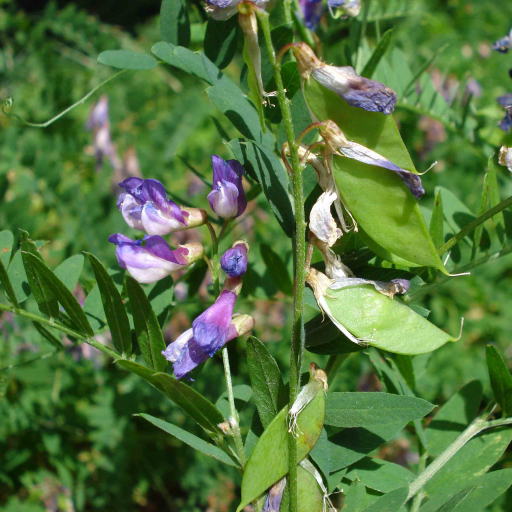
Affectionately known as the Kashubian Vetch, this delicate wildflower is a resilient traveler of European woodlands and sunny hillsides. While it looks like a fragile garden pea, it is a sturdy perennial that plays a vital role in restoring "tired" soil by pulling nitrogen right out of the air. It is a favorite for those who love the "wild meadow" aesthetic and want to support local pollinators.
🔍 How to Identify
- 🌸 Floral Clusters: It displays 5 to 15 vivid purple-pink flowers that hang elegantly from one side of a long flower stalk (raceme).
- 🌿 Climbing Tendrils: Each leaf ends in a tiny, branching "hook" or tendril, which the plant uses to scramble up nearby grasses or shrubs for support.
- 📏 Feathery Foliage: The leaves are pinnate, meaning they feature 8 to 12 pairs of narrow, oval-shaped leaflets that give the plant a soft, airy appearance.
🏡 In Your Garden
- 🌱 The Soil Healer: As a member of the legume family, it lives in symbiosis with specialized bacteria in its roots. This allows it to "fix" nitrogen, effectively fertilizing the soil for its neighbors. It thrives in sandy or nutrient-poor patches where other plants might struggle.
- ☀️ Edge Dweller: In nature, it loves the "in-between" spaces like forest edges or sunny slopes. In a garden setting, it works best in informal borders where it can lean on sturdier plants without being shaded out completely.
⚠️ Safety & Toxicity
- ✅ Generally Safe: The Kashubian Vetch is not considered a high-risk plant. It does not have thorns, stinging hairs, or caustic sap that causes skin irritation.
- 🐾 Not for Grazing: While safe to touch, it is not a culinary herb. Keep curious pets and children from ingesting the seeds or foliage, as many wild vetches contain compounds that can cause mild digestive upset if eaten in large quantities.
✨ Fun Fact
The plant is named after Kashubia, a scenic region in northern Poland. It was historically celebrated there for its ability to carpet the floors of pine forests with splashes of violet color during the mid-summer months.

Detailed Care Instructions
To grow Vicia cassubica, also known as Cassubian vetch or sand vetch, follow these steps:
- Climate: Determine if your climate is suitable for growing Vicia cassubica. This plant is native to sandy or rocky areas and prefers a Mediterranean climate. It can tolerate hot, dry summers and cool, moist winters.
- Soil preparation: Prepare your soil by making sure it is well-draining and sandy or loamy. Remove any weeds or debris from the area where you plan to grow the plant.
- Seed selection: Obtain Vicia cassubica seeds from a reputable seed supplier or collect them from existing plants. If collecting from existing plants, allow the seed pods to fully mature and dry on the plant before harvesting.
- Germination: Start Vicia cassubica seeds indoors about 4-6 weeks before the last frost date. Sow the seeds in individual pots, about 1/4 inch deep, and provide them with a light covering of soil. Keep the soil moist but not overly wet. Seeds should germinate within 7-14 days.
- Transplantation: Once the seedlings are about 4-6 inches tall and the threat of frost has passed, transplant them outdoors to their permanent location. Choose a sunny spot with well-draining soil.
- Watering: After transplanting, water the plants regularly, especially during dry periods, but be cautious not to overwater. Vicia cassubica is somewhat drought-tolerant and prefers a balanced moisture level.
- Support: Cassubian vetch is a climbing plant that requires support as it grows. Install trellises or provide other structures for the plant to climb on.
- Maintenance: Remove any weeds or competing plants regularly to reduce competition for nutrients and water. Mulching around the base of the plant can help suppress weeds and retain moisture.
- Harvesting: Vicia cassubica produces edible seeds, so you can harvest the seeds once they have matured in late summer or early fall. Allow the pods to dry on the plant before collecting the seeds.
- Propagation: Vicia cassubica can also be propagated by dividing mature plants or taking stem cuttings.
Remember to consult local gardening resources or experts for specific tips and advice tailored to your region, as the growth requirements may vary depending on your location.

Place in a bright room that is sun drenched almost all day. Or directly in a south-facing window.

To water this particular plant, it is important to ensure that the soil is moist but not waterlogged. A good way to check if it needs watering is by inserting a finger into the soil about an inch deep and feeling for moisture. If the soil feels dry, it is time to water the plant. When watering, it is recommended to do so slowly and thoroughly, making sure the water reaches the roots. It is also important to avoid watering the leaves, as this can lead to fungal diseases. In addition, it is best to water in the morning or evening to prevent water evaporation during the hot sun. Finally, it is important to avoid overwatering, as this can drown the plant roots and lead to plant death.
To fertilize Vicia Cassubica, it is recommended to use a balanced fertilizer that contains equal amounts of nitrogen, phosphorus, and potassium. An application of the fertilizer can be done once in every four to six weeks during the growing season. Before application, it is important to make sure the soil is moist. The fertilizer should be applied evenly and spread around the base of the plant. It is also essential to avoid getting the fertilizer on the leaves or stem of the plant as it may burn them. Water the plant thoroughly after fertilization to help the nutrients penetrate the soil and reach the roots.
The ideal soil for Vicia Cassubica must be well-draining, rich in organic matter, and slightly acidic. It should have a pH range of 6 to 7.5. This plant prefers loose and light soil with good aeration and water retention qualities. Sand, loam, or sandy loam soils are suitable for growing Vicia Cassubica. The soil texture should be fine to medium. It is important to ensure that the soil is fertile, as this plant requires enough nutrients to grow healthy. To enhance soil fertility, you may add compost or aged manure before planting. Additionally, Vicia Cassubica requires sufficient sunlight, moderate temperatures, and regular watering to grow well.
To propagate this plant, one can collect mature seedpods from a parent plant and allow the pods to dry out completely. The seeds can be separated from the pods and stored in a cool, dry place until ready to plant.
To plant the seeds, one can prepare a pot with rich, well-draining soil and moisten the soil. The seeds can be spread evenly on top of the soil and gently pressed into the surface. It is recommended to cover the seeds with a thin layer of soil and to keep the soil moist but not waterlogged.
The pot can be placed in a sunny location and the seeds should germinate within 7-21 days. Once the seedlings have grown a few inches tall, they can be transplanted into larger pots or directly into the garden if the weather is warm enough.
It is important to note that Vicia Cassubica plants prefer well-draining soil and moderate moisture. They also benefit from regular fertilization and pruning to promote healthy growth.








