Plant Overview
Often called the Saw-toothed Vetch, this plant is a rugged and charismatic relative of the common garden pea. While many vetches have smooth, rounded leaves, this species stands out with its jagged, "toothed" foliage that looks as if it were meticulously cut with craft scissors. Originally a native of the Mediterranean, it has become a global traveler, often appearing as a silent helper in fields and wild meadows by enriching the earth wherever its tendrils reach.
🔍 How to Identify
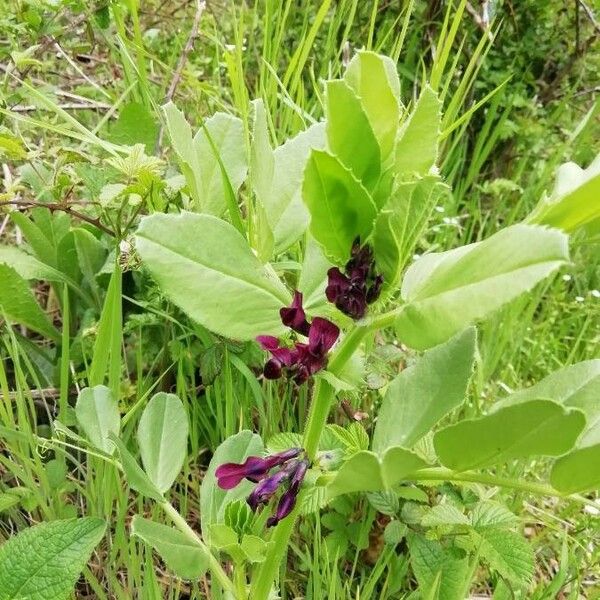
- 🍃 Saw-Toothed Foliage: The most defining feature is the leaflets, which have tiny, distinct teeth along the edges. This gives the plant a slightly "serrated" look, distinguishing it from the common Narbonne Vetch.
- 🎆 Midnight Blooms: The flowers are a stunning, moody shade of deep purple, violet, or maroon. In certain lighting, they can appear almost black, growing in small, tight clusters.
- 🧗 Climbing Tendrils: Look for delicate, thread-like coils at the ends of the leaf stalks. The plant uses these to "hitchhike" and pull itself up neighboring grasses or fences.
🏡 In Your Garden
- 🌱 The Natural Fertilized: Like most legumes, this plant has a "superpower." It hosts beneficial bacteria in its root nodules that pull nitrogen from the air and store it in the soil. It is often used by organic gardeners as "green manure" to naturally prep the ground for next year’s vegetables.
- 🚜 Hardy Resilience: It thrives in disturbed soils and sunny spots. Because it has a deep taproot, it is surprisingly drought-tolerant once established, but it hates being moved—if you want it in your garden, it’s best to sow the seeds exactly where you want them to stay.
⚠️ Safety & Toxicity
- 🐾 Pet & Livestock Caution: While not typically considered "deadly," many members of the Vicia genus contain amino acids that can be harmful to livestock or pets if eaten in large quantities over time.
- 🍽️ Not for Dinner: Although it is a relative of the Broad Bean, the seeds of the Saw-toothed Vetch are not intended for human consumption and can cause digestive distress or more serious reactions in people with specific enzyme deficiencies (G6PD).
✨ Fun Fact
In ancient agriculture, vetches like this one were often grown alongside cereal crops like wheat; the vetch would climb the wheat stalks for support, and in return, it would feed the wheat nitrogen—an early version of "companion planting" long before the term was even invented!

Detailed Care Instructions

Place in a bright room that is sun drenched almost all day. Or directly in a south-facing window.
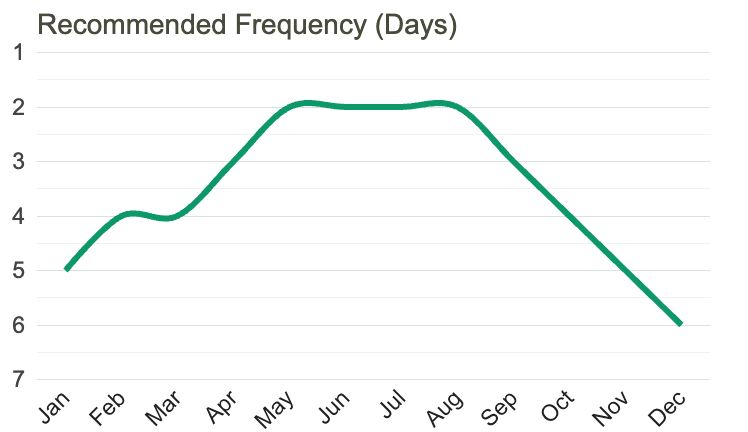
Water-loving plants flourish in wet or sloppy soil and near ponds. The extensive root system enables these plants to absorb plenty of water. The surface of the soil should be kept moist at all times. Place your pot in a container filled with water to guarantee that plants get enough water. If the ground becomes dry, it is recommended that you water it well. Plants in smaller pots will need to be watered more frequently. Water the soil in which the plant is standing thoroughly using a watering can.








