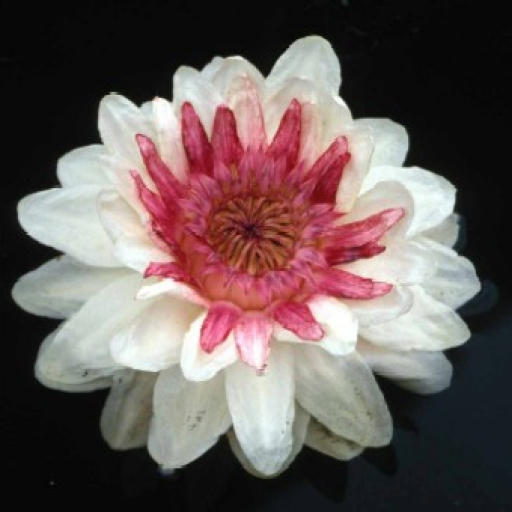
Plant Overview
Often called the "Santa Cruz Water Lily," this South American giant is a true architectural marvel of the aquatic world. With leaves so large they resemble floating green platters, it is a slightly hardier cousin to the famous Victoria amazonica. In Victorian-era England, these plants were the ultimate status symbol, representing the peak of botanical engineering and a crown jewel for any greenhouse.
🔍 How to Identify
- 🍽️ Structural Leaves: Massive, circular leaves that can reach up to 6 feet in diameter, featuring distinctive 4-8 inch high upturned rims that make them look like giant green deep-dish pizza pans.
- 🎨 Coloration: The upper surface is a vibrant, waxy green, while the undersides and the outer rims often display a deep purple or reddish-maroon hue.
- ⚔️ Prickly Defense: The entire submerged portion—including the bottom of the leaves and the long stems—is covered in a dense armor of sharp, defensive spines.
🏡 In Your Garden
- 🌊 Space Requirements: This is not a plant for a standard backyard barrel! It requires a large, deep pond or a dedicated conservatory pool to thrive. Because of its massive footprint, it is typically grown as an annual in cooler climates.
- 🍴 Heavy Feeders: These lilies are "hungry" giants. They require incredibly rich, heavy clay soil and frequent aquatic fertilizer tabs to support their rapid growth; a single leaf can grow several inches in just 24 hours.
- 🌡️ Temperature Nuance: While it still loves warmth, V. cruziana is more tolerant of "cooler" water (around 70-75°F) compared to other giant lilies, making it the preferred choice for botanical gardens in temperate regions.
⚠️ Safety & Toxicity
- 🌵 Physical Hazard: The primary danger is mechanical rather than chemical. The needle-sharp spines on the undersides of the pads and stems can cause painful punctures if you are maintaining the pond without thick gloves.
- 🐾 Pet & Child Safety: The plant is generally non-toxic, but it poses a unique risk: the leaves look sturdy enough to stand on. While they can support significant weight if distributed evenly, they can easily flip or submerge if a child or pet tries to hop onto them, creating a drowning hazard.
✨ Fun Fact
The flowers are "living heaters"! When they bloom at night, they use a chemical process called thermogenesis to raise their internal temperature by up to 15°F above the surrounding air. This heat spreads a potent, pineapple-like scent to attract scarab beetles, which the flower then traps inside for 24 hours to ensure they are thoroughly dusted with pollen.

Detailed Care Instructions
To grow a Victoria cruziana plant, also known as the Amazon water lily, follow these steps:
- Provide the right conditions: This plant requires a large, deep pond or container with still water. The depth should be at least 2-3 feet deep. The plant prefers warm water with temperatures between 70-90°F (21-32°C). Choose a spot with full sun exposure.
- Obtain the plant: Purchase Victoria cruziana seeds or plants from a reputable nursery or online retailer. Look for fresh seeds or healthy young plants.
- Pre-sprout the seeds (optional): If you have obtained seeds, you can start by pre-sprouting them. Place the seeds in a container filled with warm water and gently score or nick the seeds with a file or sandpaper to help water penetrate the seed coat. Leave the seeds in the water for 24-48 hours until they start swelling. Change the water daily.
- Plant the seeds or young plants: Spread 2-3 Victoria cruziana seeds onto the surface of the water in your pond or container. If using young plants, gently place them on the surface of the water. Make sure they are floating, not sinking. Once they start growing, thin out or remove any extra seedlings to allow the remaining plant(s) room to flourish.
- Maintain water levels: Ensure the water level in the pond or container is consistently high enough to cover the roots but not too deep as to submerge the leaves. Monitor and adjust as needed to maintain the appropriate water levels.
- Provide appropriate nutrition: Victoria cruziana plants are heavy feeders. Add slow-release aquatic plant fertilizer tablets to the water according to package instructions. Alternatively, use organic fish or pond plant fertilizer suitable for water plants.
- Control pests and diseases: Watch out for pests like aphids or snails and take necessary action to control them. If you notice any signs of disease, promptly treat the plant with appropriate fungicides or consult a local nursery for guidance.
- Prune and divide: As the plant grows, it will produce large floating leaves and beautiful white flowers. Remove any dead or decaying leaves. Every few years, you may need to divide the plant if it becomes overcrowded. Gently lift the plant out of the water, divide it into sections, and replant them at the appropriate spacing.
By following these steps, you can successfully grow a Victoria cruziana plant and enjoy its magnificent beauty in your pond or water garden.

Place in a bright room that is sun drenched almost all day. Or directly in a south-facing window.

It is recommended to water this plant frequently but in small amounts, as it prefers to be constantly moist. You can achieve this by using a watering can with a narrow spout or a spray bottle to avoid watering the top of the leaves. Water should be poured directly onto the soil around the base of the plant, avoiding the leaves and flowers. It is important to avoid allowing the soil to become too dry or too wet, as this can harm the plant. Additionally, it is beneficial to use filtered or distilled water, as this plant is sensitive to certain chemicals and minerals found in tap water.
The Victoria Cruziana plant should be fertilized once a month with a balanced liquid fertilizer during the growing season. Dilute the fertilizer according to the instructions on the packaging and apply it directly to the soil around the plant. Avoid fertilizing during the plant's dormant period.
Victoria Cruziana plant prefers to grow in a specific type of soil that is rich in nutrients and organic matter. The ideal soil for this plant should be well-draining, loose, and have a slightly acidic pH level. It should also be high in nitrogen and phosphorous but low in potassium. In general, the soil should be composed of 50% sand, 20% silt, and 30% clay. Additionally, the soil should be regularly fertilized with a balanced organic fertilizer to ensure that the plant has a sustained supply of nutrients. When planting Victoria Cruziana, it is important to amend the soil with compost and other organic materials to improve its structure, texture, and fertility. This will help to promote healthy growth and development of the plant over time.
Propagation of this plant involves collecting the seeds from the mature fruit. The seeds must be placed in water for a period of time to soften their outer layer. Once the layer is softened, the seeds should be planted in soil that is rich in nutrients and kept moist. The temperature in the growing area should be around 25-30°C to promote optimal growth. The plant prefers full sun, but should be protected from direct sunlight. The plant can also be propagated by dividing the rhizome. This is done by carefully removing a section of the root system and potting it in fresh soil. It is important to keep the soil moist and warm during the propagation process to encourage the development of healthy roots.








