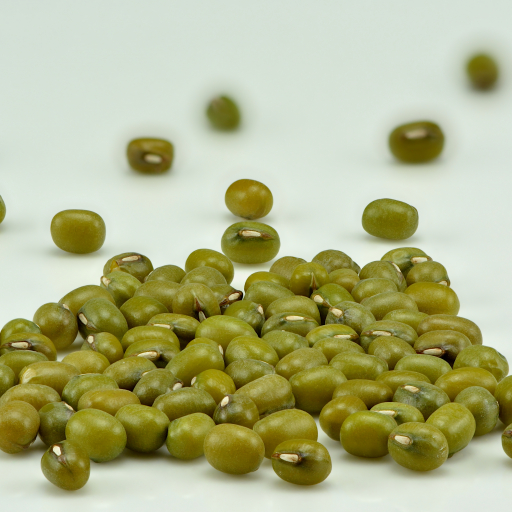
Plant Overview
The Vigna radiata, famously known as the Mung Bean or "Green Gram," is a powerhouse of the legume family that has been a staple in Asian kitchens for over 4,000 years. Often called the "Green Pearl" in ancient texts, this plant is just as famous for its crunchy sprouts as it is for its nutrient-dense dried seeds. Whether you are growing it for a harvest or as a soil-improving cover crop, it is a fast-growing, heat-loving survivor.
🔍 How to Identify
- 🌿 The Foliage: Look for "trifoliate" leaves, meaning they grow in groups of three. The individual leaflets are usually oval or heart-shaped and may have a slight fuzzy texture.
- 🌼 The Flowers: It produces clusters of small, pale yellow or greenish-yellow blossoms that resemble miniature pea flowers, typically tucked under the leaf canopy.
- 🫛 The Seed Pods: The plant develops long, cylindrical pods that grow in "twins." As they mature, these pods turn from green to a fuzzy dark brown or almost black color, housing the tiny green beans inside.
🏡 In Your Garden
- 🌱 Root Sensitivity: The Mung Bean is a "homebody" that dislikes moving. Because it develops a sensitive taproot, it is best to sow seeds directly into the garden rather than transplanting them from pots.
- 🧪 Soil Enrichment: As a member of the Fabaceae family, it has a "superpower"—it fixes nitrogen. It works with soil bacteria to pull nitrogen from the air and store it in the ground, making it an excellent "green manure" to plant before heavy feeders like tomatoes.
- ☀️ Heat Lover: This plant thrives in the sun and is surprisingly drought-tolerant once established, making it perfect for summer gardens where other vegetables might wilt.
⚠️ Safety & Toxicity
- ✅ Status: Generally safe and non-toxic.
- 🐾 Pets & Kids: The plant itself is not known to be toxic to cats, dogs, or humans. In fact, the beans are a highly recommended source of plant-based protein.
- 🦠 Sprout Safety: If you are growing Mung Beans specifically for sprouts at home, ensure high hygiene standards. The warm, humid conditions required for sprouting can also attract bacteria like Salmonella, so always rinse thoroughly or cook your home-grown sprouts.
✨ Fun Fact
Mung Beans are the secret ingredient behind "Cellophane" or "Glass" noodles! The high starch content in the beans is extracted and processed to create those famous transparent noodles found in spring rolls and stir-fries.

Detailed Care Instructions
To grow Vigna radiata, also known as mung bean or green gram, follow these steps:
- Select a suitable growing area: Make sure the location receives ample sunlight (at least 6-8 hours per day) and has well-drained soil.
- Prepare the soil: Remove any weeds or debris from the planting area and loosen the soil. Incorporate organic matter like compost or aged manure to improve soil fertility and drainage.
- Soak the seeds: Fill a container with water and place the mung bean seeds in it. Allow them to soak for 12-24 hours. This helps in seed germination.
- Sow the seeds: Once the seeds have soaked, sow them about 1-2 inches deep in the prepared soil. Space the seeds approximately 4-6 inches apart.
- Watering: Initially, keep the soil evenly moist until the seedlings emerge. Once they are established, water the plants regularly, allowing the soil to dry slightly between each watering. Avoid overwatering, as it may lead to root rot.
- Fertilization: Apply a balanced fertilizer, such as a 10-10-10 or organic alternatives, according to the manufacturer's instructions. Avoid excessive use of nitrogen-rich fertilizers as it can result in excessive foliage growth and reduced bean production.
- Mulching: Apply a layer of organic mulch around the plants to conserve moisture, control weed growth, and improve overall soil health. Straw or dried leaves can work well as mulch.
- Provide support (optional): If you intend to grow the mung beans vertically, using stakes or a trellis can help support their climbing growth habit. This can make harvesting easier and save space.
- Pest and disease control: Keep an eye out for common pests such as aphids, caterpillars, and whiteflies. Use organic pest control methods like handpicking pests or using insecticidal soaps or neem oil if necessary. Regularly inspect the plants for any signs of diseases, including powdery mildew or root rot, and take appropriate measures to control them.
- Harvesting: Mung beans typically take around 60-90 days to mature, depending on the variety. Harvest the beans when the pods turn yellowish-brown and start to dry out. Simply pluck the entire plant or use pruning shears to cut the pods from the plant. Allow the harvested beans to dry further indoors and store them in a cool, dry place.
Following these steps should help you successfully grow Vigna radiata plants and enjoy a bountiful harvest of mung beans.

Place in a bright room that is sun drenched almost all day. Or directly in a south-facing window.

To water this type of plant, it is important to provide consistent moisture without overwatering. One way to ensure proper watering is to check the soil moisture level with your finger before watering. If the top inch of soil feels dry to the touch, it's time to water. A good rule of thumb for watering frequency is to provide a thorough watering once a week, or whenever the soil feels dry.
When watering, it's best to avoid getting water on the leaves, as this can promote fungal growth and other diseases. Instead, aim to water at the base of the plant, allowing the water to soak into the soil around the roots.
If growing in a pot, ensure that the pot has good drainage to prevent waterlogging. If growing in the ground, ensure the soil is well-draining.
In periods of hot, dry weather, it may be necessary to water more frequently to prevent the soil from drying out completely. During colder months, reduce watering to every 2-3 weeks.
Overall, proper watering is crucial for the health and growth of this plant. So, watering should be done with proper care and timings.
For best results, apply a balanced fertilizer to the soil around the base of the plant. Use a fertilizer with equal parts nitrogen, phosphorus, and potassium, and apply at a rate of 2-3 tablespoons per square foot of soil. Fertilize once a month during the growing season, and be sure to water the plant thoroughly after each application. Avoid over-fertilizing, as this can lead to excessive foliage growth at the expense of flower and fruit production.
The recommended soil for the plant with the scientific name Vigna Radiata is one that is well-draining with a pH range of 6-7.5. It should also be rich in organic matter, preferably with a good mix of sand, clay, and silt to provide adequate aeration, nutrient retention, and moisture balance. It is important to avoid using heavy, compacted soil that can lead to poor root development and hinder growth. Additionally, adding compost or other organic matter to the soil prior to planting will help improve soil quality, which is essential for the successful growth of the Vigna Radiata plant.
Vigna Radiata can be propagated through the seeds or cuttings. To propagate through seeds, first, the seeds need to be soaked in water for a few hours to soften their coat. After that, the seeds can be sown in a well-draining soil mix, ensuring that they are not planted too deep. The soil should be kept slightly moist, but not waterlogged, and the seeds should germinate within 5-7 days.
To propagate through cuttings, select a healthy stem from the parent plant and cut it just below a node. Remove any leaves from the lower half of the stem and dip the cut end into rooting hormone powder. Plant the cutting in a well-draining soil mix and keep it in a humid environment, such as a plastic bag or covered container, until roots have developed. Once the cutting has established roots, it can be transplanted into a larger pot or garden bed.
Regardless of the method used, it is important to provide the newly propagated plants with adequate light, water, and nutrients to help them grow strong and healthy.
Common pests of the mung bean include Spider mites, aphids, thrips, whiteflies. Make a habit of checking your mung bean frequently for pests so that any infestations can be caught and managed early.








