Plant Overview
Often called the "Black-eyed Pea" or "Southern Pea," Vigna unguiculata is much more than just a kitchen staple. Originating in Africa, this hardy legume has traveled the globe, becoming a symbol of resilience and prosperity. In many cultures, eating these peas on New Year's Day is a sacred tradition meant to bring luck and wealth for the coming year.
🔍 How to Identify
- 🍃 Trifoliate Leaves: The plant features distinctive "trifoliate" leaves, meaning each leaf stem holds three broad, teardrop-shaped leaflets that overlap slightly to soak up maximum sunlight.
- 🌸 Butterfly Flowers: The blossoms are shaped like small, delicate butterflies and usually appear in pairs. They range in color from creamy white and pale yellow to soft shades of violet.
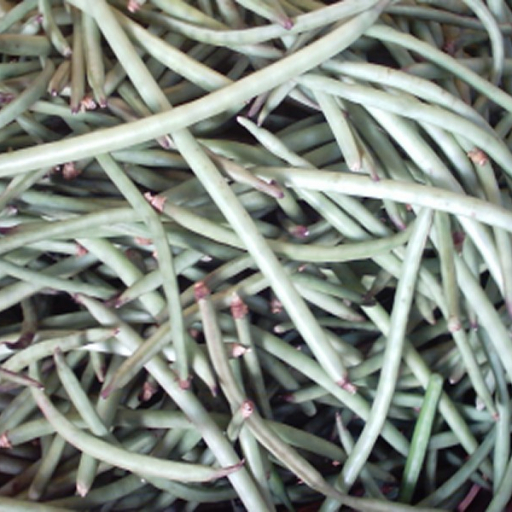
- 🫛 Pencil-Like Pods: The pods are long, slender, and cylindrical. Depending on the variety, they can hang in clusters or stand upright, turning from a vibrant green to a dry tan or purple as they mature.
🏡 In Your Garden
- ☀️ Heat Seekers: Unlike many garden vegetables that wilt in the summer swelter, Cowpeas are champion heat-performers. They thrive in high temperatures and are famously drought-tolerant, making them perfect for "set it and forget it" summer gardening.
- 🌱 The Soil Builder: These plants are "nitrogen fixers." Through a symbiotic relationship with soil bacteria, they pull nitrogen from the air and store it in their roots. This naturally fertilizes the soil for whatever you plant next.
- 🪴 Taproot Sensitivity: Cowpeas develop a deep, aggressive taproot very early. Because of this, they hate being moved; it is highly recommended to "direct sow" the seeds into the ground rather than starting them in pots.
⚠️ Safety & Toxicity
- 🍽️ Edible Status: Fully edible and highly nutritious. While the dried beans are most famous, the young green pods can be eaten like snap peas, and the tender leaves are often simmered as a potassium-rich green.
- 🐾 Pet Safety: These plants are generally non-toxic to dogs, cats, and horses. However, like most legumes, consuming large quantities of raw beans or foliage can lead to minor gas, bloating, or digestive upset in curious pets.
✨ Fun Fact
Cowpeas are so incredibly tough and efficient with water that they are often called "the iron plant." In some parts of the world, they are used as a "living mulch" to shade the soil and keep it cool during extreme heatwaves!

Detailed Care Instructions
To grow Vigna unguiculata, also known as cowpeas or black-eyed peas, you can follow these steps:
- Climate and soil conditions: Cowpeas prefer warm climates with temperatures between 70-90°F (21-32°C). They also require well-draining soil with a pH range of 5.5-7.0.
- Selecting seeds: Choose high-quality and disease-resistant cowpea seeds from a reputable seed supplier. There are different varieties of cowpeas available, such as California Blackeye, Mississippi Silver, and Purple Hull.
- Starting seeds indoors (optional): If you have a short growing season, you can start seeds indoors 4-6 weeks before the last frost date. Sow the seeds 1 inch deep in seed trays or individual pots, keep them watered, and place them in a warm area with indirect sunlight.
- Direct sowing: Cowpeas are often direct-sown in the garden. Wait until all frost dangers have passed and the soil has warmed up. Plant the seeds approximately 1-2 inches deep and 3-6 inches apart, leaving 24-36 inches between rows.
- Providing support (optional): Some cowpea varieties are vine-like and benefit from trellising or support. If necessary, install trellises or stakes to avoid damage to the plants and promote upward growth.
- Watering: Keep the soil consistently moist, but avoid overwatering, as cowpeas are susceptible to root rot. Water deeply when the top inch of soil is dry, especially during dry spells.
- Fertilizing: Cowpeas are nitrogen-fixing plants, which means they can obtain nitrogen from the air through nodules on their roots. However, if your soil is poor, you can apply a balanced organic fertilizer or compost before planting.
- Weeding and mulching: Regularly weed the area around your cowpea plants to prevent competition for nutrients and water. Mulching can also help suppress weeds and conserve moisture in the soil.
- Pest and disease management: Cowpeas can be affected by pests like aphids, leafhoppers, and caterpillars. Monitor your plants regularly and use organic pest control methods if necessary. Common diseases include powdery mildew and bacterial or fungal infections. Proper spacing, good airflow, and avoiding overhead watering can help prevent these issues.
- Harvesting: Depending on the variety, cowpeas generally take 60-90 days to mature. Harvest the pods when they are firm, filled out, and before they become tough or discolored. Regularly harvesting encourages more pod production.
Remember to consult local gardening resources or agricultural extension offices for specific tips tailored to your region's climate and conditions.

Place in a bright room that is sun drenched almost all day. Or directly in a south-facing window.

Vigna Unguiculata plants require regular watering to thrive. It's important to avoid over-watering, as this can lead to root rot and other problems. Ideally, the soil should be kept consistently moist but not waterlogged.
When watering, use a gentle stream of water and water at the base of the plant, avoiding getting the foliage wet. It's best to water early in the morning or late in the evening, when temperatures are cooler and the water can soak in before evaporating.
In particularly hot or dry weather, Vigna Unguiculata plants may require more frequent watering to prevent them from drying out. Additionally, it's important to ensure that the soil is well-draining, as waterlogged soil can lead to problems.
To fertilize this plant, use a balanced liquid fertilizer with equal amounts of nitrogen, phosphorus, and potassium. Apply the fertilizer every two weeks during the growing season. It is important to not over-fertilize as it may cause burning of the leaves. Water the plant before and after fertilization to ensure the nutrients reach the roots. Additionally, add a layer of organic compost around the base of the plant to improve soil quality and provide a slow-release source of nutrients.
Vigna Unguiculata requires well-draining soil with good moisture retention. The plant prefers a slightly acidic soil pH level between 6.0 and 7.5. The soil should be rich in organic matter and should be able to hold onto the nutrients required for healthy plant growth. The ideal soil composition for this plant may vary depending on the local climate and environmental conditions. Therefore, gardeners should consult with a local expert or conduct soil tests to determine the optimal soil composition for their specific environment. Additionally, it is important to maintain soil moisture levels to allow the plant to properly absorb nutrients and grow properly.
Vigna unguiculata can be propagated through both seeds and stem cuttings. To propagate through seeds, select mature and healthy seeds from a healthy plant and remove any damaged or diseased seeds. Soak the seeds in water for 24 hours before sowing them in a pot or bed. Ensure that the soil is well-drained, moist, and fertile. Water the seeds regularly and provide adequate sunlight for healthy growth.
To propagate through stem cuttings, select a healthy stem from a mature plant and cut at a 45-degree angle. Remove any leaves from the bottom half of the stem and dip the cut end in rooting hormone. Plant the stem in a well-draining potting mix and water frequently until roots form. Once roots have formed, transplant the cutting to a larger pot or garden bed.
Common pests of the cowpea include Spider mites, aphids, thrips, whiteflies. Make a habit of checking your cowpea frequently for pests so that any infestations can be caught and managed early.








