Plant Overview
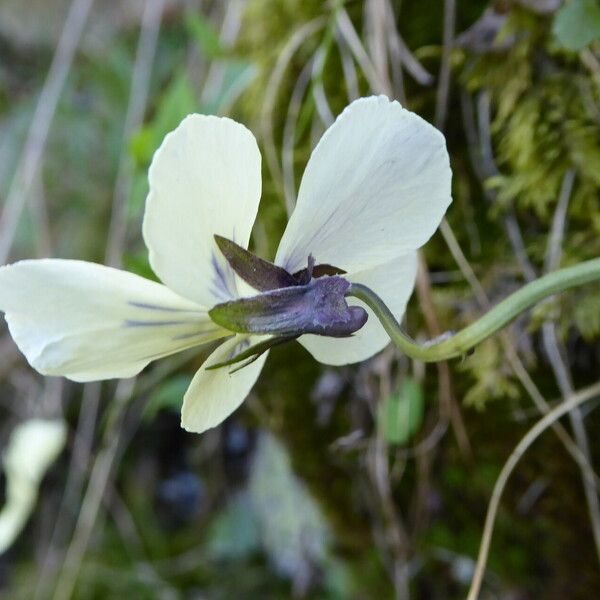
Hailing from the rugged peaks of the Altai Mountains in Central Asia, the Viola altaica, or Altai Violet, is a high-altitude survivor with a delicate soul. Often called the "Mountain Pansy," this resilient perennial has spent centuries gracing rocky slopes and alpine meadows where few other flowers dare to bloom. It is a wild ancestor to many of the colorful pansies we see in gardens today, possessing a quiet, untamed elegance that reflects its Siberian and Mongolian heritage.
🔍 How to Identify
- 🌸 The Bloom: Large, expressive flowers that can reach up to 5cm across. They typically appear in shades of bright sulfur-yellow or deep royal purple, often featuring intricate dark "whisker" veins radiating from the center.
- 🍃 The Foliage: Small, oval-to-oblong leaves with lightly scalloped (crenate) edges. They form a compact, tidy green cushion that stays close to the earth to avoid harsh mountain winds.
- 🌱 The Growth Habit: A low-growing, tufted perennial that spreads via short underground rhizomes, creating a charming "carpet" effect over time.
🏡 In Your Garden
- ⛰️ Alpine Ambitions: Because it evolved in rocky crevices, this violet demands exceptional drainage. It thrives in rock gardens or gravel beds where water never sits around the crown, which can cause rot.
- ❄️ The Chill Factor: Unlike many nursery-bought violets, the Altai Violet is extremely cold-hardy. It actually requires a cold winter dormancy to bloom vigorously the following spring; it may struggle in humid, tropical climates where the nights stay warm.
⚠️ Safety & Toxicity
- 🟢 Status: Generally considered non-toxic and safe.
- 🐾 Details: Like most members of the Viola family, the Altai Violet is safe for curious pets and children. However, consuming large quantities of any wild plant may lead to mild digestive upset, so it’s best enjoyed as a visual treat rather than a snack.
✨ Fun Fact
The Viola altaica is one of the primary "parents" of the modern garden pansy! In the early 19th century, botanists crossed this hardy mountain species with other wild violets to create the large-flowered, multi-colored hybrids we plant in window boxes today.

Detailed Care Instructions

Place in a bright room that is sun drenched almost all day. Or directly in a south-facing window.

Some plants require more regular watering than others, which should be done every few days. It's critical to maintain the soil moist all of the time. The water requirements of the same plant placed in pots with varying sizes will differ. Because the water in the smaller pot evaporates faster than the water in the larger pot, it will require more watering. Regardless of pot size, the surface should constantly be maintained moist.







