Plant Overview
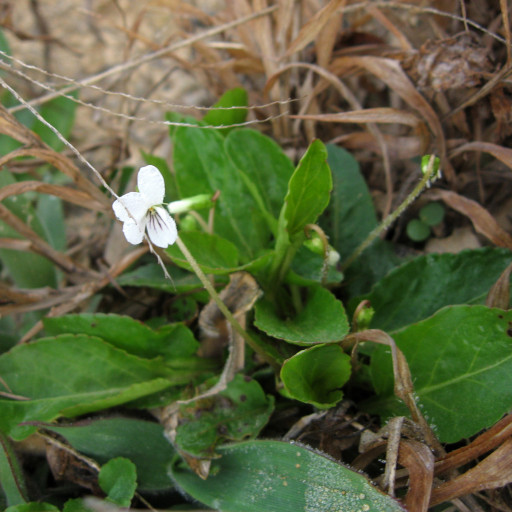
Known affectionately as the Primrose-leaved Violet, this dainty wildflower is a master of the wetlands. Unlike the common blue violets seen in suburban lawns, this species presents elegant, snowy-white blossoms that seem to glow in the shaded dampness of bogs or stream banks. It gets its name from its unique foliage, which mimics the crinkled, elongated leaves of a Primrose rather than the typical "heart shape" associated with the Viola family.
🔍 How to Identify
- 🌸 The Flower: Small, white petals, often featuring delicate purple "honey guides" on the lower three petals to lead pollinators directly to the nectar.
- 🍃 The Foliage: The leaves are distinctly ovate to oblong (lance-shaped) with slightly scalloped edges, resembling a Primrose leaf.
- 🌱 The Stems: Look for smooth, reddish-tinted stems (petioles) that often have "wings"—thin margins of leaf tissue running down the sides.
🏡 In Your Garden
- 💧 The Moisture Factor: This isn't your average garden violet; it demands consistent moisture. It is the perfect candidate for a "rain garden" or the muddy edges of a backyard pond where other plants might succumb to root rot.
- 🌑 Shadow Play: While it can handle morning sun in cooler climates, it thrives in dappled light. Intense afternoon sun will quickly scorch the delicate leaves, so keep it tucked under a canopy of taller perennials.
- 🧪 Soil Nuance: It prefers slightly acidic, boggy soil rich in organic matter, mimicking the peaty forest floors of its native Eastern North American habitat.
⚠️ Safety & Toxicity
- ✅ Pet & Human Safe: The Viola primulifolia is generally considered non-toxic to humans, dogs, and cats.
- 🍃 Skin Sensitivity: While not poisonous, some individuals with sensitive skin may experience mild irritation if they handle the crushed foliage extensively.
- 🧺 Wild Foraging: While many wild violets have edible flowers, always ensure your garden hasn't been treated with chemical fertilizers or pesticides before considering them "food-safe."
✨ Fun Fact
🧬 The Secret Bloom: This violet is a "double bloomer." It produces the visible white flowers in spring to attract bees, but later in the season, it grows hidden "cleistogamous" flowers near the ground. These secret flowers never open—they simply self-pollinate and turn directly into seed pods to ensure the plant's survival even if pollinators are scarce!

Detailed Care Instructions

Place in a window with dappled sun or a spot in the middle of a room. Or directly in a window facing west or east.

Viola Primulifolia is a plant that requires regular watering to survive and thrive. To water this plant, begin by identifying the soil moisture levels of the plant. Before watering the plant, make sure that the top inch of soil has completely dried out. To check soil moisture, stick your finger into the soil and feel for dampness.
Once you have identified that the plant needs water, use a watering can or hose to apply water to the soil around the base of the plant. Be careful not to get water on the leaves or flowers, which can cause damage to the plant. Water the plant deeply to ensure that the water reaches the roots.
It is important to avoid over-watering Viola Primulifolia, as this can lead to root rot and other issues. This plant prefers well-draining soil, so make sure that the pot or container in which it is planted has drainage holes to allow excess water to escape.
In addition to watering, Viola Primulifolia also benefits from regular fertilization and pruning. By providing this plant with the proper care, you can enjoy its beautiful flowers and foliage for years to come.
The Viola Primulifolia plant prefers well-draining soil that is rich in organic matter. It does best in soil that is slightly acidic with a pH range of 5.5 to 6.5. The ideal soil should be moist but not waterlogged, and should have good water retention capacity to ensure that the plant does not dry out. It is recommended to amend the soil with organic compost or well-rotted manure before planting the Viola Primulifolia to improve soil fertility. Additionally, it is important to keep the soil around the roots of the plant loose and aerated to allow for proper nutrient uptake and drainage.







