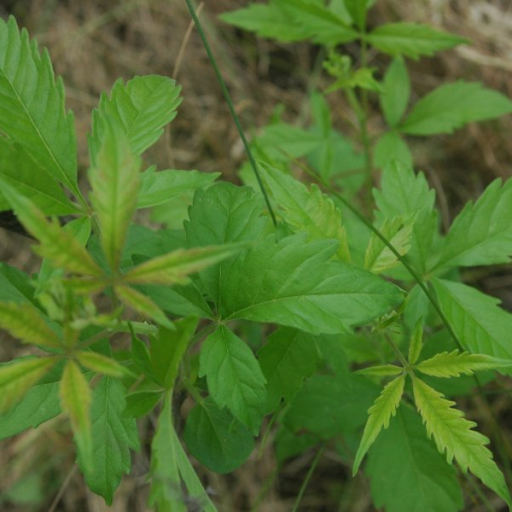
Plant Overview
Known widely as the "Five-Leaved Chaste Tree" or "Nirgundi," Vitex negundo is a versatile shrub that bridges the gap between wild medicine and ornamental beauty. Originating from Southeast Asia and China, it has been celebrated for centuries in Ayurvedic and traditional Chinese medicine. It is a rugged, aromatic survivor that thrives where other plants might struggle.
🔍 How to Identify
- 🍃 Leaf Structure: The most distinct feature is its "palmate" leaves, which usually consist of 3 to 5 pointed leaflets radiating from a single point like the fingers of a hand.
- 💜 Flowering Spikes: It produces elegant, upright clusters of tiny, fragrant lavender or bluish-purple flowers that bloom at the branch tips during the warmer months.
- 🧤 Texture and Scent: The stems are square-shaped when young, and the entire plant emits a sharp, peppery, and refreshing aroma when the leaves are crushed.
🏡 In Your Garden
- ☀️ Built for the Heat: This plant is exceptionally drought-tolerant once established. It prefers "tough love" and well-draining soil; overwatering or overly rich fertilizers can actually make it grow too lanky and weak.
- 🦋 A Pollinator Party: Because of its long blooming season and nectar-rich spikes, it is a magnetic force for honeybees and swallowtail butterflies, making it a perfect choice for an eco-friendly hedge.
⚠️ Safety & Toxicity
- 🐾 Pet Sensitivity: While humans use it medicinally for its anti-inflammatory properties, it can be mildly toxic to dogs and cats, potentially causing digestive upset if they decide to snack on the foliage.
- 🌿 Skin Interaction: The potent essential oils in the leaves can cause "contact dermatitis" (a mild itchy rash) in sensitive individuals. It is always best to wear gloves when performing heavy pruning.
✨ Fun Fact
In many traditional farming communities, the leaves of the Vitex Negundo are dried and placed inside grain storage bins. The pungent aroma acts as a powerful, natural insect repellent that protects the harvest from weevils and moths without the need for chemicals!

Detailed Care Instructions
To grow Vitex Negundo (commonly known as the Chinese Chaste Tree or Five-leaved Chaste Tree), follow these steps:
- Choose a suitable location: Vitex Negundo prefers full sun to partial shade. Select a spot in your garden that receives at least 6-8 hours of direct sunlight each day. The soil should be well-draining.
- Prepare the soil: Amend the soil with organic matter such as compost or aged manure to improve drainage and fertility. Remove any weeds, rocks, or debris from the planting area.
- Propagation: Vitex Negundo can be propagated from seeds or cuttings. Seeds can be collected from mature fruits or purchased from a trusted nursery. Cuttings can be taken from a healthy existing plant. Both methods have their own requirements and techniques, so refer to specific propagation instructions for either.
- Planting seeds: If you are planting seeds, sow them directly in the prepared soil during spring or early summer. After sowing, lightly cover them with soil and water gently. Maintain moisture without overwatering, and the seeds should germinate within a few weeks.
- Transplanting cuttings: If using cuttings, dip the cut end in a rooting hormone to enhance root development. Plant the cutting in a pot filled with well-draining potting mix or directly in the garden soil. Keep the soil moist, but avoid overwatering. The cutting should root within a few weeks.
- Watering: Vitex Negundo requires regular watering, especially during the first year of growth. Water deeply and thoroughly to encourage a healthy root system. However, avoid waterlogging or allowing the soil to become excessively dry.
- Fertilizing: Apply a balanced, slow-release fertilizer in spring to promote healthy growth. Follow the package instructions for the appropriate dosage. Avoid over-fertilization, as it can negatively affect the plant's health.
- Pruning: Prune Vitex Negundo in late winter or early spring to maintain its shape and promote bushier growth. Remove any dead, damaged, or crossing branches. Pruning also helps to improve air circulation within the plant, reducing the risk of diseases.
- Pest and disease management: Vitex Negundo is generally resistant to pests and diseases. However, occasional issues may include aphids, spider mites, or fungal infections. Monitor the plant regularly and treat any problems promptly using organic or chemical interventions, if necessary.
- Harvesting and propagation: After a few years of growth, Vitex Negundo may produce seeds or runners. You can collect and store the seeds to propagate more plants or allow the runners to spread and create new plants naturally.
By following these steps and providing proper care, your Vitex Negundo should grow successfully and provide you with beautiful foliage and, possibly, flowers.

Place in a bright room that is sun drenched almost all day. Or directly in a south-facing window.

Vitex Negundo plant requires an adequate amount of water to grow and thrive. The plant should be watered regularly, but not overwatered as it can lead to root rot.
To water the plant, first, check the soil moisture level by inserting your finger into the soil at a depth of about an inch. If the soil feels dry, it is time to water the plant.
Use a watering can or a hose to water the plant. Pour water slowly and evenly around the base of the plant, making sure the water reaches the roots. Do not spray water onto the leaves as it can cause leaf damage and encourage fungal growth.
Water the plant until the soil is moist but not completely saturated. Allow the soil to dry out a bit before the next watering, as overwatering can harm the plant.
During hot weather or dry periods, the plant may require more frequent watering. Monitor the soil moisture level regularly and adjust the watering schedule accordingly.
To fertilize this plant, use a slow-release fertilizer during the spring. Apply the fertilizer around the base of the plant according to the package directions. Be sure to water the plant thoroughly after fertilization. Alternatively, you can use an organic fertilizer such as compost or manure in the fall or early spring. Apply a thin layer of the fertilizer around the base of the plant and water the plant thoroughly. Avoid fertilizing during hot, dry weather, as this can damage the plant's roots.
Vitex Negundo plant prefers a well-draining soil that is nutrient-rich. It thrives in soils that are slightly acidic to mildly alkaline with a pH range between 6.0 to 7.5. The soil should have good water retention capacity without being too soggy or waterlogged. It is recommended to mix the soil with organic matter such as compost, leaf mold, or well-rotted manure to improve soil fertility and structure. Additionally, adding perlite or sand can improve soil drainage, preventing waterlogging and root rot. The plant requires full sun to partial shade and should be regularly watered to keep the soil consistently moist but not waterlogged.
Vitex Negundo can be propagated using softwood cuttings. Take a cutting from the plant in spring or summer when it is actively growing and the stem is still green and supple. Cut a section of stem approximately 4-8 inches in length and remove the lower leaves from the stem. Dip the cut end of the stem into rooting hormone powder and plant it in a pot filled with well-draining soil. Keep the soil moist and place the pot in a warm location that receives bright, indirect sunlight. The cutting should begin to root in 2-4 weeks, and can be gradually acclimatized to outdoor conditions before planting it in your desired location.








