Plant Overview
Often hailed as the "Southern Grape," the Muscadine is a tough-skinned beauty native to the Southeastern United States. Unlike the delicate European grapes found in supermarkets, these vines are rugged survivors that have thrived in swampy heat for centuries. Known for their intense, musky sweetness and thick, leathery skins, they are the backbone of Southern jellies, juices, and folk traditions.
🔍 How to Identify
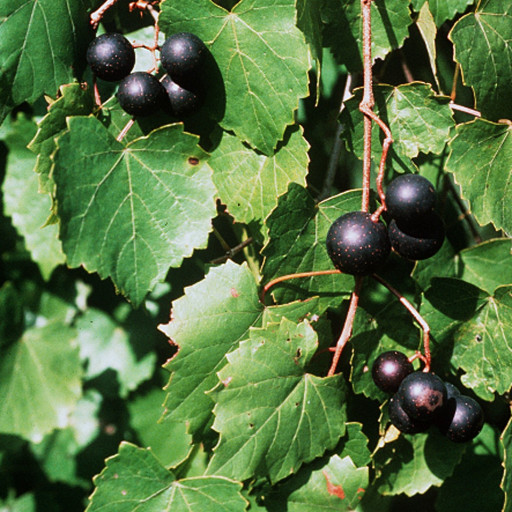
- 🍃 Heart-Shaped Leaves: The foliage is glossy, bright green, and shaped like a rounded heart with coarsely toothed edges.
- 🍇 Distinct Fruit Clusters: Instead of the long, heavy bunches seen in table grapes, Muscadines grow in small, loose clusters of 4 to 12 large, round berries.
- 🪵 Smooth Bark: Unlike most grapevines that have shredding, shaggy bark, the Muscadine maintains relatively smooth, tight bark even as it matures.
- 🌿 Simple Tendrils: If you look closely at the climbing tendrils, they are "simple" (unbranched), a key botanical giveaway for this species.
🏡 In Your Garden
- ☀️ Heat Seekers: These plants are champions of the humid South. They are naturally resistant to many pests and diseases, like Pierce's Disease, that often kill off more sensitive European varieties.
- 🌱 Space and Support: Give them room to roam! A single vine can grow 30 feet or more, so a sturdy trellis or fence is mandatory to keep the heavy fruit off the ground.
- 💧 Drainage is Key: While they love humidity, they hate "wet feet." Plant them in slightly acidic, well-draining soil to prevent root rot.
⚠️ Safety & Toxicity
- ✅ Safe for Humans: The fruit is highly nutritious, packed with antioxidants (especially in the thick skins), and completely edible.
- 🚫 Toxic to Pets: Like all members of the Vitis genus, these grapes are highly toxic to dogs and cats. Even a small amount can lead to acute kidney failure.
- 🧤 Skin Sensitivity: The sap of the vine is generally harmless, but some gardeners with very sensitive skin may experience mild irritation when pruning.
✨ Fun Fact
The "Mother Vine" on Roanoke Island, North Carolina, is a Muscadine vine that is over 400 years old. Planted by early settlers or Native Americans, it is still producing fruit today and is considered one of the oldest cultivated grapevines in the world!

Detailed Care Instructions
| Humidity | Normal |
| Lighting | Full Sun |
| Difficulty | Medium |
| Hibernation | Cold Period |
| Hardiness Zones | 5 - 9 |
To grow Vitis Rotundifolia, commonly known as muscadine grapes, you can follow these steps:
- Sunlight: Choose a location that receives full sunlight for at least 6-8 hours a day.
- Soil: The soil should be well-draining, fertile, and slightly acidic (pH between 5.5 and 6.5). If the soil in your area is not suitable, you can add organic matter like compost or aged manure to improve its quality.
- Planting: Plant muscadine grapes in early spring or late fall when the weather is mild. Dig a hole deep and wide enough to accommodate the roots of the plant. Place the plant in the hole, making sure the crown is level with or slightly above the soil surface. Fill the hole with soil, gently firming it around the roots.
- Watering: Initially, water the plant thoroughly to help establish its roots. Afterward, water the grapes regularly, providing about 1 inch of water per week during dry periods. Ensure that the soil remains consistently moist but not waterlogged, as excess moisture can lead to root rot.
- Fertilization: Apply a balanced fertilizer, such as a 10-10-10 or 14-14-14, in early spring before new growth appears. Follow the package instructions for proper dosage. Avoid excessive use of nitrogen, as it may promote foliage growth at the expense of fruit production.
- Pruning: Muscadine grapes require regular pruning to maintain their growth and productivity. Prune during late winter or early spring before the growth restarts. Remove dead or weak branches and trim the vine to control its size and shape. Consult pruning guides specific to muscadine grapes to understand the pruning techniques in detail.
- Trellising: Vitis Rotundifolia vines are vigorous climbers and benefit from being trellised. A sturdy trellis or support structure will help keep the vines off the ground, improve airflow, and make harvesting easier.
- Pest and Disease Control: Muscadine grapes are generally resistant to many pests and diseases, but some common problems can occur. Regularly monitor the vines for signs of aphids, spider mites, powdery mildew, or fungal diseases. Apply appropriate organic or chemical treatments if necessary.
- Harvesting: Muscadine grapes typically ripen in late summer or early fall, depending on the variety. Harvest the grapes when the skin changes color and they taste sweet. They may not all ripen at the same time, so you may need to conduct multiple harvests.
Following these guidelines should help you successfully grow Vitis Rotundifolia, and with proper care, you can enjoy a bountiful harvest of muscadine grapes.

Place in a bright room that is sun drenched almost all day. Or directly in a south-facing window.

To properly water the Vitis Rotundifolia plant, you should first make sure that the soil is well-draining, as this plant prefers not to be overly watered. You can test this by touching the soil with your finger or a small tool and checking if it feels moist about an inch beneath the surface.
When watering, use a gentle stream of water and make sure to saturate the soil evenly around the base of the plant. You may want to use a watering can or hose with a nozzle that can be adjusted to a gentle setting. Avoid getting water on the foliage or fruit of the plant, as this can cause damage and diseases.
The frequency of watering will depend on the weather, humidity, soil type, and the size of the plant. In general, the Vitis Rotundifolia plant will require more water during its growth and fruiting phases, and during dry or hot spells. It is also important to note that overwatering can lead to root rot and other issues.
To help retain moisture in the soil, you can add a layer of organic mulch such as wood chips or straw around the base of the plant. This can also help regulate the temperature of the soil and prevent weed growth.
To fertilize this plant, apply a balanced slow-release fertilizer in early spring before new growth appears. Use about 1/2 cup per plant and work it gently into the soil around the root zone. Repeat the application in mid-summer. Avoid over-fertilizing, as this can lead to excessive growth and decreased fruit quality.
The ideal soil for Vitis Rotundifolia plant is a well-draining, nutrient-rich soil that is slightly acidic. It should have a pH range between 5.0 and 6.5, with good fertility and a good balance of organic matter and mineral elements.
In terms of texture, the soil should be loamy or clay-loam, with good water and nutrient holding capacity. It should be able to provide adequate drainage and aeration to the roots, while also retaining moisture and nutrients.
It is also important to avoid soils that are too sandy or rocky, as they can cause poor drainage and nutrient deficiencies. Additionally, the soil should be free of any contaminants or pesticides that could harm the plant.
Overall, the ideal soil for Vitis Rotundifolia should be a balanced and fertile mixture of organic matter, minerals, and microorganisms, that provides ample nutrition, moisture, and support to the plant's roots and overall growth.
There are a few ways to propagate this plant. One method is to take a cutting from a healthy, mature vine. Cut a piece of the vine that is about 6 inches long and has several nodes or buds. Remove the leaves from the lower half of the cutting and dip the cut end of the stem in rooting hormone powder. Then, plant the cutting in a pot filled with moist, well-draining soil. Keep the soil damp and the plant in a warm, bright location until new growth appears.
Another method is to layer the vine. Choose a healthy, flexible stem and bend it down to the soil. Dig a small hole where the stem touches the soil, and bury the stem with soil. Use a stake or rock to hold the stem in place. After a few weeks, roots should grow from the buried stem. Cut the stem from the parent plant and transplant the new plant to its permanent location.
Finally, you can propagate this plant from seed. Collect ripe grapes from a healthy plant, remove the seeds, and clean them thoroughly. Soak the seeds in warm water for a few hours before planting them in moist, well-draining soil. Keep the soil damp and the seedlings in a warm, bright location until they are strong enough to be transplanted.
Common pests of the muscadine grape include Mealybugs, spider mites. Make a habit of checking your muscadine grape frequently for pests so that any infestations can be caught and managed early.








