Plant Overview
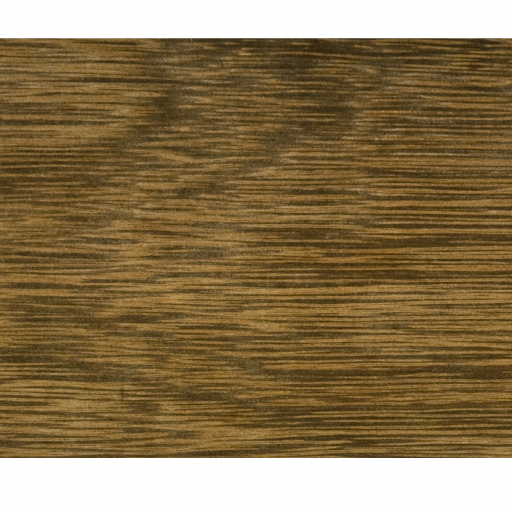
Known famously as Acapu or Wacapou, this towering giant is a legendary figure of the Amazonian rainforest. It is often referred to as "Partridge Wood" because of the beautiful, dark, feathery grain of its timber. Unfortunately, because its wood is so incredibly durable and valuable, it is now a critically endangered species, standing as a silent sentinel of the shrinking tropical wilds.
🔍 How to Identify
- 🍃 The Foliage: It features large, alternate, pinnately compound leaves. Each leaf is made up of several pairs of glossy, oblong leaflets that give the canopy a lush, dense appearance.
- 🪵 The Bark and Trunk: In the wild, it grows into a massive, straight pillar reaching up to 40 meters. The bark is relatively smooth and greyish-brown, but the real secret lies beneath—the heartwood is a striking deep chocolate brown to almost black.
- 🌼 The Flowers: During its blooming season, it produces small, fragrant, yellowish-green flowers arranged in large, branched clusters (panicles) at the ends of its branches.
🌲 Growth & Ecology
- 🌱 Slow and Steady: The Acapu is a slow-growing species that invests its energy into creating incredibly dense, heavy wood. This slow growth habit means that once a forest is cleared of these trees, they take many decades, even centuries, to truly recover.
- 💧 Rainforest Specialist: It thrives in the "Terra Firme" (upland) forests of the Amazon, particularly in Brazil and the Guianas. It prefers deep, well-drained soils and high humidity, acting as a crucial part of the upper canopy ecosystem.
⚠️ Safety & Toxicity
- ✅ General Safety: Vouacapoua americana is not known to be toxic to humans, pets, or livestock through touch or accidental ingestion of leaves.
- 💨 Respiratory Caution: For those working with its timber, the fine sawdust can be a physical irritant to the lungs and eyes, a common trait among dense tropical hardwoods. In a garden or nature setting, however, it poses no threat.
✨ Fun Fact
The wood of the Acapu is so dense and resinous that it is naturally resistant to termites and fungal rot. In historical South American construction, posts made from this wood have been known to stay perfectly intact in the ground for over a hundred years!

Detailed Care Instructions
Here are the steps to grow Vouacapoua Americana plant:
- Obtain seeds or seedlings: Vouacapoua Americana can be propagated from seeds or seedlings. You can try to find seeds or seedlings at a local nursery or purchase them from an online retailer.
- Prepare the soil: Vouacapoua Americana prefers well-draining soil. Mix organic matter, such as compost or peat moss, into the soil to improve its texture and fertility.
- Choose a sunny location: Vouacapoua Americana thrives in full sun, so select a spot in your garden that receives at least 6-8 hours of direct sunlight per day.
- Plant the seeds or seedlings: If you have seeds, sow them directly into the prepared soil at a depth of about 1 inch. If using seedlings, dig a hole slightly larger than the root ball and place the seedling in it. Gently backfill the hole and press the soil around the stem to stabilize the plant.
- Water regularly: Keep the soil moist but not waterlogged. Water the Vouacapoua Americana plant regularly, especially during dry spells or hot weather. Avoid overwatering, as it can lead to root rot.
- Provide support: Vouacapoua Americana plants have a slender trunk that benefits from staking or supporting until it becomes established. Use a stake or trellis to provide support for the young plant, making sure not to damage the roots.
- Mulch and weed control: Apply a layer of organic mulch, such as wood chips or straw, around the base of the plant to help retain moisture, suppress weeds, and regulate soil temperature.
- Prune if necessary: Vouacapoua Americana typically does not require pruning, but you can remove any dead or damaged branches as needed.
- Fertilize sparingly: Apply a balanced, slow-release fertilizer once or twice a year, following the manufacturer's instructions. Avoid over-fertilization, as excessive nutrients can harm the plant.
- Monitor for pests and diseases: Keep an eye out for pests like aphids or caterpillars, and promptly address any issues. Additionally, watch for signs of diseases such as leaf spots or wilting, and take appropriate action if necessary.
- Be patient: Vouacapoua Americana plants can take several years to reach maturity and produce flowers. Be patient and continue to provide proper care and maintenance to promote healthy growth.
Remember to research specific guidelines for your particular climate and growing conditions, as they may vary.

Place in a bright room that is sun drenched almost all day. Or directly in a south-facing window.

When it comes to providing water for the Vouacapoua Americana plant, a few guidelines should be followed. Firstly, it is important to avoid excessive watering. This species prefers a moderate amount of water, so it is essential to find the right balance. Overwatering can lead to root rot and other issues.
To determine when to water the Vouacapoua Americana, it is advisable to check the moisture level of the soil. This can be done by inserting a finger or a moisture meter into the soil to assess its dampness. If the soil feels dry to the touch, it indicates that watering is needed. However, if it feels moist, it is best to wait a bit longer before watering again.
Another factor to consider is the climate and season. During warmer months or when the plant is actively growing, it may require more water. In contrast, during cooler months or when the plant is in a dormant phase, it may need less frequent watering. This ensures that the plant's needs are met while preventing excessive moisture accumulation.
When watering the Vouacapoua Americana, it is crucial to provide moisture directly to the soil rather than spraying water on the leaves. This helps prevent fungal diseases and encourages the roots to absorb water effectively. Additionally, using room temperature or lukewarm water is preferable to avoid shocking the plant.
Lastly, a rule of thumb for watering any plant is to ensure proper drainage. Using a well-draining potting mix or planting the Vouacapoua Americana in well-draining soil can help prevent waterlogging. This allows excess water to flow out of the container or drain away from the root system, thus promoting a healthy environment for the plant.
To fertilize the Vouacapoua Americana plant, you should begin by choosing a balanced, slow-release fertilizer specifically formulated for tropical trees. Follow the instructions provided on the fertilizer packaging for the recommended amount to use.
You should apply the fertilizer evenly around the base of the plant, ensuring that it is spread out over the entire root zone. Avoid applying it directly on the stem or leaves of the plant.
Once applied, gently work the fertilizer into the topsoil using a rake or garden fork. Be careful not to disturb the roots of the plant while doing so.
After fertilizing, water the plant thoroughly to help the nutrients permeate into the soil and reach the roots. Ensure that the soil is evenly moist but not waterlogged.
Throughout the growing season, it is advisable to fertilize the Vouacapoua Americana plant every 4-6 weeks. However, be cautious not to over-fertilize, as this can cause nutrient burn or other adverse effects.
Regularly monitor the plant's growth and overall health to determine if any adjustments to the fertilization schedule are needed. Additionally, be aware of any specific fertilizer recommendations for tropical trees in your region or consult with a local horticulturist for personalized advice.
The ideal soil for Vouacapoua Americana plant should possess certain characteristics to ensure optimal growth and development. This includes:
- Texture: The soil should have a well-balanced texture, combining sand, silt, and clay in a suitable ratio. This promotes good drainage while also retaining adequate moisture for the plant's roots.
- pH Level: Vouacapoua Americana prefers neutral to slightly acidic soil conditions, with a pH range of 6 to 7.5. This enables the plant to efficiently absorb essential nutrients from the soil.
- Organic Matter: The soil should be enriched with organic matter, such as compost or well-rotted manure. This enhances the soil's fertility, improves its structure, and promotes beneficial microbial activity, ultimately benefiting the plant's overall health.
- Nutrient Content: The soil should be rich in essential nutrients, including nitrogen, phosphorus, and potassium. Additionally, micronutrients like iron, magnesium, and calcium should be present in sufficient quantities for proper growth and vigor.
- Drainage: It is crucial to ensure good drainage to prevent waterlogging or root rot. The soil should be well-draining but also retain enough moisture to keep the plant hydrated adequately.
- Aeration: The soil should be loose and loamy, allowing for good root aeration. This facilitates oxygen exchange and prevents the soil from becoming compacted, which can impede root growth.
- Composition: Ideally, the soil should comprise a mixture of organic and inorganic components, providing a well-balanced growing medium for the Vouacapoua Americana plant. This balance ensures the retention of adequate water and nutrients while allowing excess water to drain away.
These soil specifications ensure that the Vouacapoua Americana plant receives the necessary support for growth and development, enabling it to thrive in its environment.
Propagation of Vouacapoua Americana plant can be done through various methods, such as seed propagation and vegetative propagation.
- Seed propagation:
- Begin by collecting mature seeds from a healthy Vouacapoua Americana plant.
- Clean the seeds by removing any unwanted debris or pulp.
- Soak the seeds in water for 24 hours to help with germination.
- Fill a planting tray or pots with a well-draining potting mix.
- Sow the seeds on the surface of the soil and lightly press them down.
- Mist the soil surface with water to moisten it.
- Place the tray or pots in a warm and well-lit area, avoiding direct sunlight.
- Maintain a consistent level of moisture in the soil by misting it regularly.
- Germination usually takes several weeks to a few months, so be patient.
- Once the seedlings have developed a few sets of true leaves, they can be transplanted into individual pots with a suitable potting mix.
- Begin by collecting mature seeds from a healthy Vouacapoua Americana plant.
- Vegetative propagation:
- Take semi-hardwood or hardwood stem cuttings from a healthy Vouacapoua Americana plant during the growing season.
- Make sure the cuttings are around 4-6 inches long and have at least two to three sets of leaves.
- Remove the lower set of leaves and dip the cutting in a rooting hormone powder to enhance rooting.
- Insert the cuttings into a well-draining potting mix, leaving one or two sets of leaves above the soil surface.
- Place the pot in a warm and bright location, but avoid direct sunlight.
- Mist the cuttings regularly to maintain moisture, preventing them from drying out.
- After a few weeks, new roots should start to form. You can gently tug the cutting to check for resistance, indicating that roots have developed.
- Once the roots have established, the cutting can be transplanted into a larger pot or directly into the ground.
Regardless of the method used, it is essential to provide the propagated Vouacapoua Americana plant with proper care, including regular watering, well-draining soil, and adequate sunlight or shade, depending on its specific requirements. Patience and proper maintenance are key to successfully propagate and cultivate this plant.
- Take semi-hardwood or hardwood stem cuttings from a healthy Vouacapoua Americana plant during the growing season.








