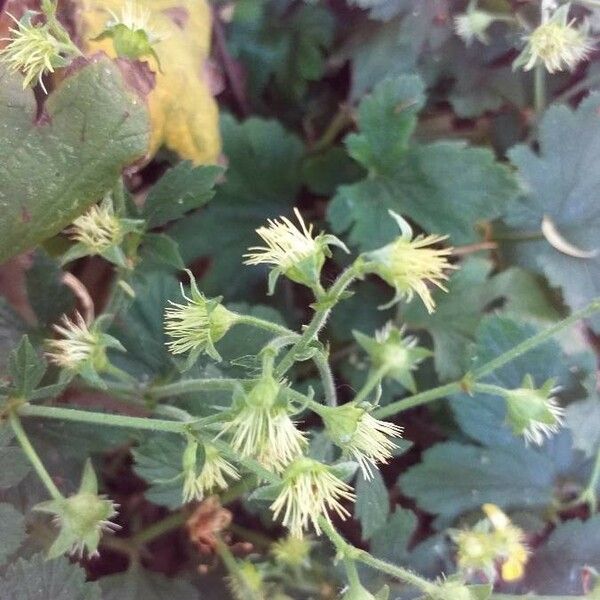
Plant Overview
Often called the Yellow Strawberry or Smooth Barren Strawberry, this charming European native is the "workhorse" of the shade garden. While its foliage looks remarkably like the fruit we love to eat, this plant focuses its energy on creating a lush, weed-smothering carpet of gold and green rather than berries. It is the perfect solution for those tricky, shaded corners where grass refuses to grow.
🔍 How to Identify
- 🍃 Lush Foliage: The leaves are deeply lobed and scalloped, appearing in clumps that look strikingly similar to wild strawberries but with a more rounded, heart-shaped base.
- 🌼 Sunny Blooms: In mid-to-late spring, small, five-petaled flowers emerge in a brilliant butter-yellow. They sit slightly above the foliage, adding a "pop" of light to dim woodland areas.
- 🌱 Mounding Habit: It grows in tidy, mounding clumps that slowly spread via underground rhizomes to form a thick, solid mat, rarely exceeding 6 to 10 inches in height.
🏡 In Your Garden
- 🧱 The Weed Warrior: Because of its dense root system and thick canopy, it creates a "living mulch." Once established, it is highly effective at preventing weeds from germinating by blocking out sunlight to the soil.
- 🌳 Dry Shade Champion: Unlike many woodland plants that demand constant moisture, Waldsteinia geoides is surprisingly resilient to dry shade. This makes it an ideal candidate for planting under the heavy canopy of large deciduous trees where other plants might wither.
⚠️ Safety & Toxicity
- 🛡️ Pet & Human Safe: This plant is generally considered non-toxic to humans, cats, and dogs. It is a "friendly" groundcover for high-traffic backyards.
- 🚫 Inedible Fruit: Although it is in the same family as the garden strawberry, it does not produce fleshy fruit. The seeds are dry and tasteless, so while it isn't "poisonous," it certainly isn't a snack for your kitchen.
✨ Fun Fact
- ✨ A Royal Name: The genus Waldsteinia was named in honor of Count Franz de Paula Adam von Waldstein, an 18th-century Austrian soldier and botanist who co-authored a famous three-volume work on the rare plants of Hungary.

Detailed Care Instructions
To grow Waldsteinia geoides plants, also known as barrens strawberry or savory waldsteinia, follow these steps:
- Choose a suitable location: Waldsteinia geoides plants prefer well-draining soil and partial to full sun. Select a spot in your garden that gets at least 4-6 hours of sunlight per day.
- Prepare the soil: Loosen the soil and remove any weeds or rocks. Amend the soil with organic matter, such as compost or well-rotted manure, to improve its fertility and drainage.
- Planting: Dig a hole slightly larger than the plant's root ball. Place the plant in the hole, keeping the crown at ground level. Backfill the hole with soil, gently firming it around the roots. Space multiple plants about 12-18 inches apart.
- Watering: Give the newly planted Waldsteinia geoides a good watering to settle the soil and ensure proper root establishment. Water regularly, providing about 1 inch of water per week, especially during dry periods.
- Mulching: Apply a layer of organic mulch, like wood chips or straw, around the plants to help conserve moisture, suppress weeds, and regulate soil temperature.
- Fertilizing: Waldsteinia geoides plants are generally not heavy feeders, but you can apply a balanced slow-release fertilizer in early spring to promote healthy growth. Follow the package instructions for proper dosage.
- Pruning: Remove any dead or damaged foliage regularly to maintain the plant's appearance and overall health. You can also trim back the entire plant by about one-third in late winter or early spring to encourage new growth.
- Pests and diseases: Waldsteinia geoides is relatively resistant to pests and diseases. However, keep an eye out for slugs, snails, or aphids. If necessary, use organic pest control methods to manage these issues.
- Propagation: Waldsteinia geoides plants can be propagated by division. Every 2-3 years, dig up the plant clumps, separate them into smaller sections, and replant them in suitable locations.
- Winter care: Waldsteinia geoides is a hardy perennial in many regions, but it's always a good idea to add a layer of mulch around the plant in late fall to protect the roots from freezing temperatures.
By following these guidelines, you can successfully grow and maintain Waldsteinia geoides plants in your garden.
To water this plant, first, check the soil moisture level by touching the top layer of soil. If it feels dry, then it is time to water. Use a watering can or hose to water the soil around the base of the plant, taking care not to get water on the leaves. Water until the soil is evenly moist but not waterlogged. In general, this plant prefers consistent but moderate moisture, so be sure to avoid letting the soil dry out completely between waterings. Lastly, be mindful of the plant's surroundings and adjust watering frequency as needed based on factors such as temperature, humidity, and sun exposure.
To fertilize this plant, use a slow-release organic fertilizer in early spring when new growth appears. Alternatively, use a balanced fertilizer every four to six weeks during the growing season. Avoid over-fertilizing, as it can lead to excessive vegetative growth at the expense of flowers. Water the plant deeply after fertilizing to prevent fertilizer burn.
The ideal soil for the plant has a pH range of 5.5 to 6.5 and is well-draining. It should have moderate fertility and be rich in organic matter. The soil should be moist but not waterlogged, as the plant cannot tolerate standing water. Mixing in sand or perlite can improve drainage. Loamy soils are preferable, with a good mixture of sand, silt, and clay. The plant prefers soil that is slightly acidic rather than alkaline.
Waldsteinia geoides can be propagated using both seeds and plant division methods.
Seed propagation involves collecting the seeds from the mature plants and sowing them in well-drained soil. The seeds should be planted during the spring season and kept in a warm and moist environment. The seedlings can be transplanted into their permanent location when they reach a sufficient size.
Plant division can occur once the mature plant has established itself. The plant can be dug up and carefully divided into smaller sections. The sections should contain both roots and shoots for successful propagation. The smaller sections can then be planted in a well-drained area.
Both propagation methods require the plants to be watered regularly and monitored for signs of stress or disease. With proper care, newly propagated plants should establish themselves quickly and continue to propagate, creating a thriving population over time.








