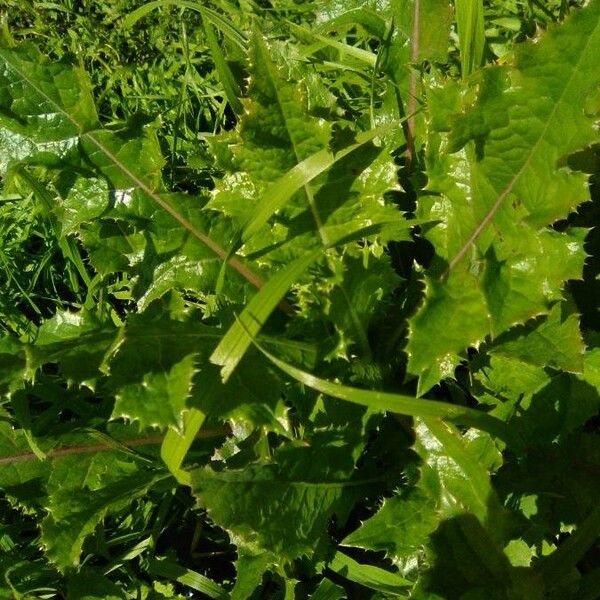
Plant Overview
Known affectionately as the Fishtail Wallichia, this palm is a master of the jungle shadows. Originating from the humid understories of Thailand and Myanmar, it brings a prehistoric, "Jurassic Park" aesthetic to any shaded garden or room. It is highly prized by collectors for its unique "torn" leaf edges and its ability to thrive where other plants would struggle with low light.
🔍 How to Identify
- 🐠 Fishtail Leaflets: The most striking feature is the foliage; the leaflets are wedge-shaped and jagged at the ends, looking exactly like the tail of a tropical fish.
- 🌑 Dark Fibers: The base of the plant is often shrouded in dark, almost black, matted fibers and old leaf sheaths, giving it a rugged and textured appearance.
- 🌿 Clustering Habit: This is a multi-stemmed palm that grows in dense, lush clumps rather than a single tall trunk, making it look more like a large shrub.
🏡 In Your Garden
- ☁️ The Shadow Dweller: This plant is naturally adapted to the deep shade of forest floors. In a home or garden setting, it should never be placed in direct afternoon sun, which will quickly bleach and burn its deep green leaves.
- 💧 Humidity is Key: While it is surprisingly hardy once established, it craves high humidity. It prefers "living" soil—rich in organic matter—that stays consistently moist but never waterlogged or swampy.
- 🐌 Slow and Steady: It is a slow-growing species. Because it takes its time to produce new fronds, it rarely outgrows its space quickly, making it an excellent long-term indoor specimen.
⚠️ Safety & Toxicity
- 🚫 Irritating Fruit: While the plant is beautiful, its fruits are best left untouched. They contain microscopic needles called calcium oxalate crystals.
- 🧤 Skin Protection: Handling the berries with bare skin can cause a stinging, itchy sensation (often called "the palm itch"). Always wear gloves if you are pruning fruit clusters.
- 🐾 Pet Safety: Ingestion of the berries or foliage can cause swelling of the mouth and throat in cats, dogs, and humans. It is best kept out of reach of curious nibblers.
✨ Fun Fact
The Wallichia caryotoides is "monocarpic" at the stem level. This means that after a single stem matures and produces its final, spectacular display of flowers and seeds, that specific stem will die. Don't worry, though—the plant lives on by constantly sending up new "pups" from the roots!

Detailed Care Instructions

Place in a window with dappled sun or a spot in the middle of a room. Or directly in a window facing west or east.

To water this plant, it is important to check the soil moisture level regularly. One should wait for the top layer of soil to become dry before watering it again. When watering, it’s important to water slowly and deeply, ensuring that the entire root ball is saturated. Overwatering can lead to root rot, so be sure to avoid standing water around the base of the plant. If the plant is in a pot, make sure there are drainage holes to allow excess water to escape. It is also important to note that this plant prefers well-draining soil, so ensuring the soil is not compacted or hard can be helpful in allowing water to penetrate deeply.








