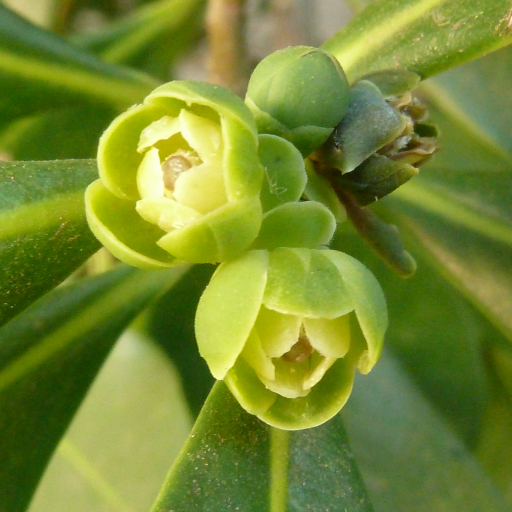
Plant Overview
Known as the "Pepper-bark tree" or Isibhaha, Warburgia salutaris is a legendary medicinal treasure native to Southern Africa. While it looks like a modest, glossy evergreen, its inner bark and leaves pack a fiery, peppery punch that has been used by traditional healers for centuries to treat everything from the common cold to skin infections. Because it has been so heavily harvested in the wild for its "miracle" bark, it is now an endangered species, making it a prestigious and conservation-conscious addition to any private garden.
🔍 How to Identify
- 🍃 Glossy Foliage: The leaves are narrow, lance-shaped, and a deep, shimmering green on top with a paler underside.
- 🌶️ The "Sniff" Test: If you crush a leaf, it releases a distinct, sharp peppery aroma that clears the sinuses instantly.
- 🫐 Speckled Fruit: It produces small, round, leathery berries that turn from green to a dark purple-black with waxy spots as they ripen.
- 🌳 Rough Bark: The bark starts smooth and mottled but becomes rough, cracked, and reddish-brown as the tree ages.
🏡 In Your Garden
- 🌱 Slow and Steady: This is a slow-growing tree that prefers a bit of "nursing" when young. It thrives in well-drained, compost-rich soil and appreciates a spot that mimics a forest margin—plenty of light but protected from harsh, direct afternoon sun.
- ❄️ Frost Sensitivity: While it is relatively hardy once mature, young Pepper-barks are very sensitive to cold. If you live in a frost-prone area, keep it in a large container or provide a burlap "blanket" during the winter months.
- 💧 Conservation Growing: By planting this species, you are acting as a guardian for a plant that is disappearing from its natural habitat due to over-harvesting.
⚠️ Safety & Toxicity
- 🌿 Non-Toxic but Intense: The plant is not considered poisonous, but its high concentration of "warburganal" makes it incredibly pungent.
- 👄 The Burn: Biting into a leaf or piece of bark will cause a strong, burning sensation in the mouth and throat. It is generally safe for humans and pets, but the intense spice usually prevents animals from over-grazing on it.
- 👀 Eye Irritant: Be careful when pruning; the oils from the leaves can cause significant stinging if you rub your eyes after handling the plant.
✨ Fun Fact
The specific epithet salutaris comes from the Latin word for "health-giving," highlighting its status as one of the most important medicinal plants in African traditional medicine. In some cultures, it is believed that the tree can even ward off bad luck or "evil spirits" when planted near the home.

Detailed Care Instructions
Growing Warburgia salutaris, also known as the pepper-bark tree, requires specific conditions and care. Here are some steps to grow this plant:
- Obtain seeds or seedlings: As Warburgia salutaris is a native tree in Africa, you may need to find a reputable supplier or collect seeds from the wild. Seedlings can also be obtained from nurseries specializing in indigenous plants.
- Choose a suitable location: This tree prefers a sunny spot with well-draining soil. It can tolerate a variety of soil types but thrives best in loamy or sandy soil.
- Prepare the soil: Ensure that the soil is fertile and free from weeds. Add organic matter like compost to improve soil quality and drainage.
- Planting: If starting with seeds, soak them in water overnight to improve germination rates. Sow the seeds in small pots or seed trays, covering them with a thin layer of soil. Water regularly and keep the soil moist until germination occurs. Transplant the seedlings when they are about 15-20 cm tall.
- Watering: Warburgia salutaris prefers moderate watering, allowing the soil to dry out slightly between watering sessions. Overwatering can lead to root rot, so make sure the soil is well-draining.
- Fertilization: Supplement the soil with a balanced fertilizer during the growing season (spring-summer) to provide essential nutrients to the plant. Follow the instructions on the fertilizer package for the right dosage.
- Pruning: Prune the tree regularly to maintain its desired shape and remove any dead or diseased branches. This can also help to promote denser foliage and better air circulation.
- Protection: Warburgia salutaris is susceptible to pests and diseases. Monitor the plant regularly for any signs of infestation or disease. In case of an issue, treat with appropriate insecticides or organic control methods.
- Patience: Warburgia salutaris is a slow-growing tree, so be patient with its growth. It may take several years for it to reach maturity and produce flowers.
Remember to check the specific requirements of Warburgia salutaris, as it may vary depending on your location and climate.
The best way to water this plant is to observe the soil moisture level before watering. Use your fingers to check the top 1-2 inches of soil for dryness. Then, water thoroughly until it drains out of the bottom of the container. Do not let the plant sit in standing water. Water frequency can vary depending on environmental conditions and the size of the plant. Generally, during the growing season, it may need frequent watering, but during the dormant season, it can tolerate drier conditions. It is important to also consider the light and temperature conditions of the plant when determining its water needs.
To fertilize this plant, use a balanced fertilizer with an equal proportion of nitrogen, phosphorus, and potassium, and apply it to the soil around the base of the plant. This should be done every two to three months during the growing season. Avoid over-fertilizing as it can lead to excessive leaf growth, which may make the plant vulnerable to pests and diseases. Finally, make sure the soil is moist before and after fertilizing to prevent burn.
The Warburgia Salutaris plant prefers well-draining soil that is rich in organic matter. The soil should be slightly acidic with a pH level between 5.5 and 6.5. It is recommended to mix equal parts of peat moss, perlite and sandy loam to create an optimal soil mix for this plant. The soil should be moist but not waterlogged, and the plant should not be exposed to prolonged periods of drought or wet soil. When planting, it is important to ensure that the root ball is level with the soil surface and to water thoroughly.
Propagating the Warburgia Salutaris plant can be done through both seeds and cuttings.
For seed propagation, it is important to ensure that the seeds are fresh and have not been dried out. To increase the chances of success, scarify the seeds (lightly scratch the surface to encourage moisture absorption) and soak them in water for 24 hours before planting. Plant the seeds in well-draining soil and keep them moist. Germination can take up to 3 months.
For cutting propagation, select a healthy stem that is at least 6 inches long and has a few nodes. Remove any leaves from the bottom of the stem and let it dry for a few hours. Dip the cut end in rooting hormone and plant it in well-draining soil. Keep the soil moist and place the cutting in a shaded area. The cutting should start to grow new roots within a few weeks.
Both methods require patience and care, but can result in a beautiful and beneficial plant.








