Plant Overview
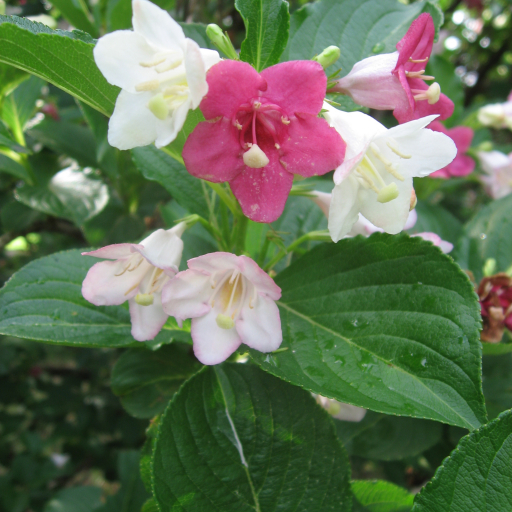
Known as the "Chameleon Shrub," Weigela coraeensis is a dramatic deciduous beauty native to the coastal hills of Japan and Korea. It is beloved by gardeners for its "magical" ability to host multiple colors of flowers on a single branch at the same time. This vigorous grower adds a romantic, old-fashioned charm to borders and woodland edges.
🔍 How to Identify
- 🌸 The "Magic" Blooms: Bell-shaped flowers that emerge as a creamy white or pale yellow and gradually deepen into a rich, dark carmine or purple-red as they age.
- 🍃 Lush Foliage: Broad, egg-shaped (ovate) leaves with pointed tips and finely serrated edges that provide a dense, bright green backdrop for the flowers.
- 🌿 Graceful Form: A multi-stemmed shrub with an upright but slightly arching growth habit, often reaching up to 6–10 feet if left unpruned.
🏡 In Your Garden
- ✂️ The Pruning Secret: This plant blooms on "old wood" (stems from the previous year). To keep it tidy without losing flowers, only prune it immediately after the blossoms fade in late spring.
- 🦋 A Pollinator Party: Its deep, tubular flowers are perfectly shaped for the long tongues of hummingbirds and butterflies, making it a high-traffic hub for beneficial garden visitors.
- ☀️ Sun & Soil: While it can handle partial shade, its flower production is most intense in full sun. It prefers moist, well-drained soil and is surprisingly tolerant of urban pollution.
⚠️ Safety & Toxicity
- ✅ Safe Status: Weigela coraeensis is generally considered non-toxic to humans, dogs, and cats.
- 🛡️ Gentle Nature: Unlike many other ornamental shrubs, it lacks thorns or prickly bits, making it a safe choice for high-traffic areas where children or pets play.
✨ Fun Fact
🎨 Nature’s Traffic Light: The color change from white to red isn't just for show! It serves as a signal to pollinators. Once a flower has been successfully pollinated, it turns red to tell bees and butterflies, "The nectar is gone, try the white ones instead!"

Detailed Care Instructions
Growing Weigela coraeensis, like other Weigela species, can be a rewarding experience if you follow some basic planting and care guidelines. Here's a step-by-step guide:
1. Choosing the Right Location
- Sunlight: Weigela coraeensis thrives best in full sun to partial shade. Aim for at least 6 hours of direct sunlight each day.
- Soil: Well-drained soil is essential. The plant prefers slightly acidic to neutral pH but is relatively adaptable.
- Space: Ensure there's enough space for the mature size of the plant. Weigela coraeensis can grow quite large, so plan accordingly.
2. Planting the Weigela Coraeensis
- Timing: The best time to plant is in the spring or fall when the weather is cooler.
- Hole Preparation: Dig a hole that is twice as wide and just as deep as the root ball of the plant.
- Planting: Place the plant in the hole at the same depth it was in its pot. Fill the hole with soil, tamping it down to eliminate air pockets.
- Watering: Water the plant thoroughly after planting to help establish the roots.
3. Watering and Feeding
- Watering: Keep the soil consistently moist, especially during the first growing season. Once established, Weigela is fairly drought-tolerant but performs best with regular watering.
- Mulching: Apply mulch around the base to retain moisture and suppress weeds.
- Feeding: Use a balanced, slow-release fertilizer in early spring. Compost or organic matter can also be beneficial.
4. Pruning and Maintenance
- Pruning: Prune immediately after flowering to encourage new growth and maintain shape. Remove dead or diseased wood any time.
- Deadheading: Remove spent flowers to encourage more blooms.
- Pests and Diseases: Weigela is generally pest-free but watch for aphids, spider mites, and mildew. Treat as necessary with insecticidal soap or other appropriate methods.
5. Overwintering
- Winter Protection: In colder climates, a layer of mulch can help protect the roots. Weigela coraeensis is generally hardy but giving some winter protection can be beneficial.
6. Monitoring Growth
- Regular Check-ups: Keep an eye on your plant’s health and growth. Look for signs of stress, disease, or pests, and address any issues promptly.
- Adjust Care as Needed: Be prepared to adjust watering schedules, feeding, and other care routines based on the specific needs of your plant and environmental conditions.
By following these guidelines, you can ensure that your Weigela coraeensis grows healthy and vibrant, adding beauty to your garden with its attractive foliage and flowers.

Place in a bright room that is sun drenched almost all day. Or directly in a south-facing window.

The plant you're referring to is a beautiful flowering shrub that requires careful watering to thrive. Here are detailed instructions on how to water it:
1. Establishment Phase: In the first growing season after planting, water the shrub deeply and regularly to help establish a strong root system. This generally means watering at least once a week, but the frequency can increase during hot and dry periods.
2. Deep Watering: This plant benefits from deep watering, which encourages the roots to grow deeper into the soil. When you water, do so slowly and thoroughly to ensure the water reaches the deeper roots rather than just the surface. Avoid shallow watering.
3. Soil Moisture: Check the moisture level in the soil regularly. The top 1 to 2 inches of soil should be allowed to dry out between waterings, but the soil beneath should remain slightly moist. You can check this by sticking your finger into the soil to feel for moisture or using a moisture meter.
4. Mulching: Apply a layer of mulch around the base of the shrub. Mulch helps to retain soil moisture, regulate soil temperature, and reduce the growth of weeds, which can compete for water. Maintaining a 2- to 3-inch layer of mulch can significantly improve water retention.
5. Climate Considerations: Adjust your watering schedule based on your local climate. During the hotter months or in regions with less rainfall, increase the frequency of watering. Conversely, reduce watering during cooler, wetter periods.
6. Watering Time: The best time to water this shrub is early in the morning. This allows enough time for the water to soak into the soil before the heat of the day increases evaporation. Avoid watering late in the evening to prevent prolonged moisture on the leaves, which can encourage fungal diseases.
7. Avoid Overwatering: Overwatering can be as detrimental as underwatering. Ensure that the soil around the plant has good drainage. If water tends to pool around the base, consider improving the drainage or slightly raising the planting area to prevent root rot.
8. Seasonal Adjustments: In the fall and winter, reduce the frequency of watering. The plant's water needs decrease when it's not actively growing or when entering dormancy.
By following these guidelines, you can ensure that your shrub receives the appropriate amount of water to grow healthily and produce its lovely flowers.
Here are fertilizing instructions for the Weigela coraeensis:
- Timing: Fertilize in early spring, just as new growth begins. You can also apply a second round of fertilizer in mid-summer if desired, but avoid fertilizing late in the season to prevent stimulating new growth that may not harden off before winter.
- Type of Fertilizer: Use a balanced, slow-release, granular fertilizer with equal parts nitrogen, phosphorus, and potassium (e.g., 10-10-10 or 12-12-12).
- Application: Follow the manufacturer's instructions for the proper amount based on the size of your plant. Generally, you can apply about 1 to 2 pounds of fertilizer per 100 square feet of planting area.
- Method:
- Granular Fertilizer: Spread the fertilizer evenly around the base of the plant, keeping it about 6 inches away from the stem to prevent burning the roots. Gently rake the fertilizer into the top 1 to 2 inches of soil. Water thoroughly to help the fertilizer penetrate the soil.
- Liquid Fertilizer: If you prefer liquid fertilizer, dilute it according to the package instructions and apply it around the base of the plant. Liquid fertilizers can be applied more frequently but in lower concentrations.
- Granular Fertilizer: Spread the fertilizer evenly around the base of the plant, keeping it about 6 inches away from the stem to prevent burning the roots. Gently rake the fertilizer into the top 1 to 2 inches of soil. Water thoroughly to help the fertilizer penetrate the soil.
- Organic Options: If you prefer organic fertilizers, well-composted manure or compost can be worked into the soil around the plant in early spring. An organic granular fertilizer specifically formulated for flowering shrubs can also be used.
- Mulching: After fertilizing, apply a 2- to 3-inch layer of mulch around the base of the plant but keep it a few inches away from the stem to prevent rot. Mulching helps retain moisture and regulates soil temperature.
- Monitoring: Observe the plant throughout the growing season. If leaves appear yellow or growth is weak, you may need to apply an additional, light feeding of fertilizer. Be cautious not to over-fertilize, as this can lead to excessive, weak growth and reduced flowering.
Regular soil testing every few years can help you understand your soil's nutrient levels and pH, guiding you to make any necessary adjustments to your fertilizing routine.
The Weigela coraeensis is a deciduous shrub known for its attractive, trumpet-shaped flowers and lush foliage. When choosing soil for this plant, the following considerations are essential:
- Soil Type: The shrub thrives best in well-drained soils. It can adapt to a wide range of soil types, including loamy, sandy, or clay soils, as long as they are well-draining.
- pH Level: It prefers slightly acidic to neutral pH levels, ideally between 6.0 and 7.5. You can test your soil's pH and amend it if necessary using lime to raise the pH or sulfur to lower it.
- Organic Matter: Enrich the soil with organic matter such as compost, well-rotted manure, or leaf mold. This improves soil structure, drainage, and fertility, promoting healthy root growth.
- Moisture Retention: While the plant prefers well-drained soil, it also benefits from consistent moisture. Amending the soil with organic matter helps retain moisture without causing waterlogging.
- Soil Preparation: Before planting, amend the soil to a depth of about 12-18 inches. This ensures that the roots have plenty of room to grow and access nutrients.
- Fertilization: Although not particularly heavy feeders, incorporating a slow-release balanced fertilizer during planting can provide additional nutrients to support growth and flowering.
By following these guidelines, you can create an ideal environment for your Weigela coraeensis to thrive and flourish.
Propagating Weigela coraeensis, a deciduous shrub, can be effectively achieved through softwood or hardwood cuttings. Here's a step-by-step guide for each method:
Softwood Cuttings
- Timing: The best time for softwood cuttings is late spring to early summer when new growth is still soft.
- Selection: Choose healthy, non-flowering shoots that are 4-6 inches long.
- Preparation:
- Remove the lower leaves from the bottom half of the cutting.
- Optionally, dip the cut end in rooting hormone to encourage root development.
- Remove the lower leaves from the bottom half of the cutting.
- Planting:
- Fill a pot with a well-draining rooting medium such as a mix of peat and perlite or coarse sand.
- Insert the cuttings into the medium, ensuring at least one node (leaf joint) is buried.
- Fill a pot with a well-draining rooting medium such as a mix of peat and perlite or coarse sand.
- Conditions:
- Place the pot in a warm, bright location with indirect sunlight.
- Keep the medium consistently moist but not waterlogged.
- Cover the pot with a plastic bag or a clear plastic dome to maintain humidity.
- Place the pot in a warm, bright location with indirect sunlight.
- Root Development: Roots typically form within a few weeks. You can check for root formation by gently tugging the cuttings. Resistance indicates root growth.
- Transplanting: Once rooted, gradually acclimatize the new plants to outdoor conditions before planting them in their final location.
Hardwood Cuttings
- Timing: The best time for hardwood cuttings is late fall to early winter after the shrub has gone dormant.
- Selection: Choose healthy, mature stems that are from the current year's growth and at least 8-12 inches long.
- Preparation:
- Cut the stems just below a bud or node.
- Remove any remaining leaves.
- Optionally, you can dip the cut end in rooting hormone.
- Cut the stems just below a bud or node.
- Planting:
- Prepare pots or a garden bed with well-draining soil or a mix of coarse sand and peat.
- Insert the cuttings about half their length into the soil, ensuring at least one node is buried.
- Prepare pots or a garden bed with well-draining soil or a mix of coarse sand and peat.
- Conditions:
- Place the cuttings in a sheltered location outdoors where they won’t receive direct sunlight or extreme weather.
- Ensure the soil remains slightly moist.
- Place the cuttings in a sheltered location outdoors where they won’t receive direct sunlight or extreme weather.
- Root Development: Hardwood cuttings take longer to root, often several months. They should start showing signs of growth by early spring.
- Transplanting: Once new growth appears, the cuttings can be gradually acclimatized to normal garden conditions before being planted in their permanent location.
General Care Tips
- Soil: Prefer well-drained, fertile soil.
- Watering: Keep the soil consistently moist, especially during rooting.
- Light: Both softwood and hardwood cuttings should be kept in a location with bright, indirect light during the rooting process.
Propagation requires patience and attention to detail but can result in a rewarding display of new growth in subsequent seasons.








