Plant Overview
Known affectionately as the Hawaiian Akia or "Hillside False Ohelo," this endemic shrub is a true gem of the Hawaiian Islands. While its name uva-ursi means "grape of the bear," don't expect to see any grizzlies nearby; instead, you’ll find this hardy plant hugging coastal cliffs and volcanic slopes. It is famous in Hawaiian culture for its historical role in traditional fishing and its stunning, vibrant berries that look like tiny glowing embers against matte green foliage.
🔍 How to Identify
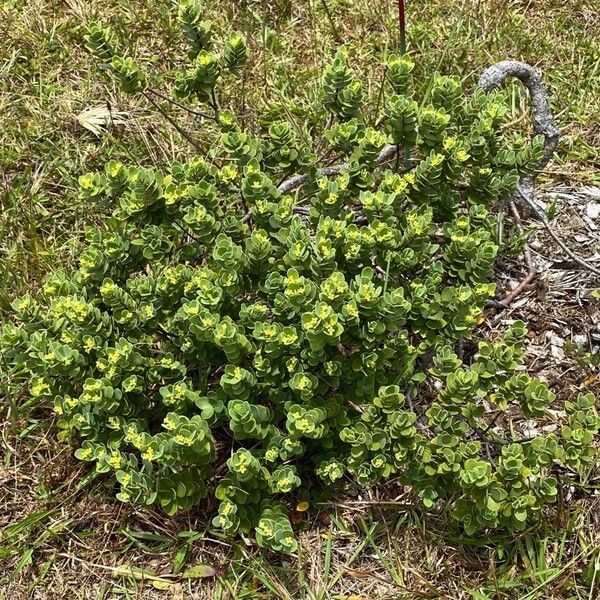
- 🍃 The Leaves: Small, rounded, and teardrop-shaped leaves grow in neat pairs along the stems. They often have a sophisticated grayish-green or bluish tint with a smooth, leathery texture.
- 🌼 The Flowers: Tiny, tubular yellow flowers bloom in small clusters. They aren't showy from a distance, but they emit a subtle, sweet fragrance that delights close-up observers.
- 🍒 The Fruit: The most striking feature is the fleshy, egg-shaped berries. They transition from green to a brilliant, neon orange or deep red when ripe, nestled tightly among the leaves.
🏡 In Your Garden
- 🌊 Coastal Warrior: This plant is incredibly salt-tolerant and wind-resistant, making it a "must-have" for seaside gardens or exposed balconies where other plants might wither.
- ✂️ Versatile Growth: Depending on the variety, Akia can be a sprawling groundcover or a rounded shrub. It is a slow grower that rarely needs pruning, perfect for those who prefer a low-maintenance "set it and forget it" landscape.
- ☀️ Drought Specialist: Once established, its deep root system makes it exceptionally drought-tolerant. It thrives in well-draining soil and hates "wet feet," so ensure your pot or garden bed doesn't hold standing water.
⚠️ Safety & Toxicity
- 🚫 Status: Toxic if ingested.
- 🐾 Details: All parts of the plant, especially the bark and berries, contain chemical compounds (like wikstroemin) that are toxic to mammals. Keep this plant out of reach of curious pets and toddlers who might be tempted by the bright, candy-like berries. Some sensitive individuals may also experience mild skin irritation when handling broken stems.
✨ Fun Fact
Native Hawaiians traditionally used the bark and leaves of the Akia to catch fish! They would crush the plant material and release it into tide pools. The toxins would "stupefy" or temporarily paralyze the fish, causing them to float to the surface for easy gathering, without making the fish dangerous for humans to eat once cooked.

Detailed Care Instructions








