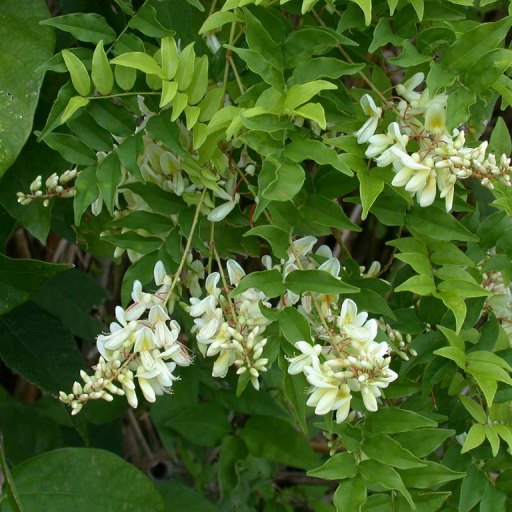
Plant Overview
Often called the "Summer Wisteria" or Natsu-fuji in its native Japan, this elegant climber is the refined cousin of the more common spring-blooming varieties. While most wisterias signal the end of winter, Wisteriopsis japonica waits for the heat of July and August to unveil its pale, cascading blossoms. It is a favorite for gardeners who want to maintain a lush, "fairytale" atmosphere in their landscape long after other vines have finished their show.
🔍 How to Identify
- 🌼 The Flowers: Unlike the heavy purple clusters of common wisteria, these blossoms are typically creamy white or pale buttery yellow. They grow in slender, pendulous racemes that have a delicate, airy appearance.
- 🌿 The Foliage: The leaves are "pinnate," meaning they look like feathers. Each leaf is composed of 9 to 13 small, bright green leaflets that create a dense, shimmering canopy in the breeze.
- 🌀 The Twining: As a woody vine, it climbs by twining its stems tightly around any available support. The bark becomes beautifully gnarled and textured as the plant ages, adding winter interest even when the leaves are gone.
🏡 In Your Garden
- 🏗️ Support Systems: This is a heavy-duty climber. While it is slightly less aggressive than Chinese Wisteria, it still requires a sturdy pergola, archway, or fence. Avoid using thin wires or plastic mesh, as the thickening woody stems can easily snap them.
- ✂️ Pruning for Blooms: To get those iconic hanging "curtains" of flowers, you must be brave with the shears. Pruning back the long, whippy side-shoots in late winter encourages the plant to put its energy into flower buds rather than just stretching its "arms" further.
- 💧 Soil & Drainage: It prefers a "head in the sun, feet in the shade" approach. It thrives in well-draining soil and appreciates a thick layer of mulch around the base to keep the roots cool and moist during the summer heat.
⚠️ Safety & Toxicity
- 🚫 Toxic Status: Highly toxic if ingested.
- 🐾 Details: Like most members of the legume family, this plant contains wisterin (a glycoside) and a toxic resin. The seeds and pods are the most dangerous parts. Ingestion by pets or children can cause severe stomach upset, vomiting, and dehydration. Always wash your hands after heavy pruning to avoid skin irritation.
✨ Fun Fact
[📜] The Botanical Name-Change: This plant has suffered a bit of an identity crisis! It was long classified as Millettia japonica before DNA testing proved it was distinct enough to belong to its own group, leading to the creation of the genus Wisteriopsis—which literally means "looking like Wisteria."

Detailed Care Instructions
To grow Wisteriopsis Japonica, also known as Japanese wisteria, follow these steps:
- Choose a suitable location: Japanese wisteria requires full sun exposure (at least 6-8 hours of direct sunlight per day) and well-draining soil. Make sure the chosen spot has a sturdy support structure such as a trellis, pergola, or fence for the vine to climb on.
- Planting: Dig a hole twice as wide and as deep as the root ball of the plant. Place the plant in the hole, ensuring that the top of the root ball is level with or slightly above the soil surface. Fill the hole with soil and gently firm it around the base of the plant. Water thoroughly after planting.
- Watering: Water the plant deeply but infrequently to ensure the root system develops well. Allow the soil to dry out between watering to prevent over-watering, which can lead to root rot.
- Mulching: Apply a layer of organic mulch around the base of the plant to help retain moisture, suppress weeds, and regulate soil temperature. Keep the mulch a few inches away from the trunk to prevent rotting.
- Pruning: Prune Japanese wisteria in late winter or early spring before new growth begins. Remove any dead or diseased wood and trim back excessive growth. Prune to maintain the desired shape and size of the plant and to encourage the development of strong branches.
- Fertilization: Apply a balanced fertilizer in early spring and early summer to provide essential nutrients for healthy growth. Follow the manufacturer's instructions for application rates.
- Training and support: As the Japanese wisteria grows, carefully train the vines onto the support structure. Tie the branches using soft materials such as garden twine or plant ties to avoid damaging the plant. Regularly check and adjust the ties as needed.
- Pests and diseases: Japanese wisteria is generally resistant to pests and diseases. However, keep an eye out for common issues such as aphids, scale insects, powdery mildew, or root rot. Treat any infestations or diseases promptly using appropriate organic or chemical controls.
- Patience: Japanese wisteria can take several years to reach maturity and start blooming. Be patient and continue to provide proper care, and eventually, you will enjoy their beautiful cascading clusters of flowers.
Remember to research and follow specific care instructions for your specific climate and region to ensure the optimal growth and health of your Wisteriopis Japonica plant.
Wisteriopsis Japonica is a plant that requires regular watering to thrive. When watering this plant, it's important to keep a few factors in mind:
- Frequency: Watering frequency for Wisteriopsis Japonica depends on various factors such as the season, temperature, humidity levels, and soil moisture. It's recommended to check the moisture level of the soil before watering. Insert your finger or a moisture meter about an inch into the soil to ensure it is dry. If the soil feels moist, it's best to wait before watering again to avoid over-watering, which can lead to root rot. However, if the soil feels dry, it's time to water the plant.
- Watering method: Avoid using a strong jet of water or overhead watering as it can harm the delicate foliage and flowers. Instead, use a gentle watering can or a hose with a fine spray nozzle to evenly moisten the soil.
- Watering duration: Ensure that the water reaches the root zone of the plant. Water thoroughly until you see water coming out of the drainage holes at the bottom of the pot. This ensures that the roots are adequately hydrated.
- Water quality: Wisteriopsis Japonica prefers slightly acidic soil, so using rainwater or filtered water is ideal. If tap water is the only option, letting it sit for a day or two before watering is recommended, as it allows the chlorine and fluoride to dissipate.
- Avoid waterlogging: Proper drainage is crucial for Wisteriopsis Japonica to prevent waterlogging. Ensure that the pot or planting area has drainage holes, allowing excess water to escape. The plant should never sit in standing water for an extended period.
- Adjust based on seasons: During the active growing seasons, such as spring and summer, the plant may require more frequent watering as it focuses on foliage and flower production. However, in colder months or during dormancy, the watering frequency can be reduced to prevent over-watering.
Remember, every plant is unique and may require slightly different care. Take time to observe your Wisteriopsis Japonica and adjust your watering routine based on its specific needs.
To fertilize the Wisteriopsis Japonica plant, use a balanced, water-soluble fertilizer formulated for flowering plants. Dilute the fertilizer according to the instructions provided by the manufacturer. Apply the diluted fertilizer to the soil around the plant, avoiding direct contact with the foliage. Ensure that the soil is moist before and after fertilization. It is recommended to fertilize the plant every two to four weeks during the active growing season, which typically occurs in spring and summer. Adjust the frequency and dosage of fertilization according to the plant's response and the surrounding environmental conditions. Regularly monitor the plant's health and adjust the fertilization regimen as needed to promote healthy growth and blooming.
Wisteriopsis japonica, a flowering plant native to Japan, has specific soil requirements for optimal growth and health. To meet these needs, it is recommended to choose a well-draining soil mixture that is both rich in organic matter and fertile. The soil pH should ideally be slightly acidic to neutral, ranging between 6.0 and 7.0.
The soil texture should be loamy, allowing for good water drainage while retaining adequate moisture for the plant's roots. A loamy soil texture strikes a balance between sandier soils that drain too quickly and clay soils that retain too much water.
To ensure proper aeration and prevent compaction, it is beneficial to add organic matter to the soil before planting. This can include well-decomposed compost, leaf mold, or aged manure. Organic matter enhances soil structure, improves water retention, and promotes beneficial microbial activity.
Additionally, the soil should be supplemented with nutrients to support the plant's growth and blooming. A slow-release fertilizer with a balanced NPK ratio (nitrogen, phosphorus, potassium) can be added to the soil at the start of the growing season. This will provide a steady supply of nutrients over time, contributing to healthy foliage and vibrant flowers.
Lastly, regular soil maintenance is advisable for optimal plant health. This includes checking moisture levels regularly, avoiding over-watering or allowing the soil to dry out completely. Mulching around the base of the plant can help regulate soil moisture and temperature while suppressing weed growth.
Remember to monitor the soil condition and adjust the maintenance routine accordingly, as the specific needs may vary depending on climate, sunlight exposure, and individual plant requirements.
To propagate Wisteriopsis Japonica, you can follow these steps:
- Select a healthy parent plant: Choose a mature Wisteriopsis Japonica plant with strong stems and vibrant foliage for successful propagation.
- Collect suitable stem cuttings: Using a sharp and clean pair of pruning shears, take stem cuttings that are around 4-6 inches long. Ensure that each cutting has at least two to three nodes.
- Prepare the potting medium: Create a well-draining potting mix using a combination of perlite, peat moss, and sand. This will ensure proper aeration and moisture retention for the developing roots.
- Prepare the cuttings: Remove any leaves from the lower half of the stem cuttings, leaving only a few leaves at the top. It is important to remove excess foliage to minimize water loss and focus the plant's energy on root development.
- Apply a rooting hormone (optional): Although not necessary, applying a rooting hormone powder or gel on the cut ends of the stem can enhance root growth and overall success rate.
- Plant the cuttings: Make small holes in the prepared potting mix and gently insert the lower end of each cutting into the holes. Ensure the nodes are covered with soil for optimal rooting.
- Provide appropriate conditions: Place the potted cuttings in a warm and bright location, but away from direct sunlight. Maintain a consistent moisture level in the potting medium, ensuring it remains slightly damp but not waterlogged.
- Encourage root growth: To encourage the development of new roots, you can create a mini greenhouse effect by covering the potted cuttings with a clear plastic bag or using a propagation tray with a humidity dome. This will help maintain higher humidity levels and increase the chances of successful rooting.
- Monitor and care for cuttings: Regularly check the moisture level of the potting medium and mist the leaves occasionally to provide a humid environment. Check for any signs of mold or rot and remove any affected cuttings immediately. Be patient, as it can take several weeks for roots to develop.
- Transplanting: Once the cuttings have developed strong roots (usually after several weeks or months), you can carefully transplant them into individual pots with well-draining soil. Gradually acclimate the new plants to their final growing location by gradually exposing them to more sunlight over a period of time.
Remember, the successful propagation of Wisteriopsis Japonica can depend on various factors such as temperature, humidity, and care provided. It's important to be patient, as it may take a few attempts to achieve successful propagation.








