Plant Overview
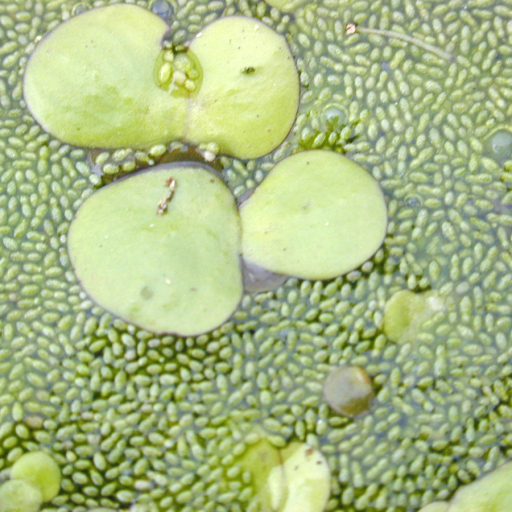
Often called "Watermeal," Wolffia globosa holds the incredible title of the world’s smallest flowering plant. Imagine a plant so tiny it looks like a single grain of lime-green cornmeal floating on the water's surface. In parts of Southeast Asia, it isn't just a pond dweller; it is a traditional "superfood" harvested for its high protein content and rapid growth.
🔍 How to Identify
- 🟢 Microscopic Size: Each individual plant is no larger than a pinhead, typically measuring between 0.5 to 0.8 millimeters—roughly the size of a grain of sand.
- 💧 Simplified Form: Unlike most plants, it has no roots, stems, or true leaves. It consists of a single, rounded green structure called a "frond" that floats on the water's surface.
- 🌸 Hidden Blooms: It produces the world’s smallest flower in a microscopic pit on the top of the frond, though it rarely flowers, preferring to multiply through rapid budding.
🏡 In Your Garden
- 🌊 Still Waters Only: This plant requires stagnant or very slow-moving freshwater. In a home pond or aquarium, it creates a lush, velvet-like green carpet, but it will quickly disappear if there is too much surface agitation from filters or fountains.
- 🍴 Nutrient Sponge: Wolffia is a heavy feeder. It thrives in water rich in nitrogen and phosphorus. While this makes it excellent for naturally filtering pond water, it can grow so quickly that it blocks sunlight for submerged plants and fish if not thinned out regularly.
⚠️ Safety & Toxicity
- ✅ Non-Toxic: Wolffia globosa is generally safe for humans, pets, and livestock. Many pond fish, especially goldfish and koi, view it as a highly nutritious snack.
- 🧪 Environmental Sensitivity: While the plant itself is safe, it is a "bio-accumulator." This means it absorbs whatever is in the water. If your pond has chemical runoff or high bacterial counts, the plant can become a carrier for those contaminants.
✨ Fun Fact
A handful of these tiny plants contains nearly as much protein as a soybean! Because of its ability to double its population in just a few days, NASA has even researched Wolffia as a potential "space food" for astronauts on long-term missions.

Detailed Care Instructions
To grow Wolffia globosa (also known as Asian watermeal), follow these steps:
- Obtain Wolffia globosa plants: You can find Wolffia globosa plants online or from specialty aquarium stores. It is a floating plant, commonly used in aquatic gardens or as a food source for fish.
- Choose a suitable container: Wolffia globosa can grow in any container as long as it holds water. You can use a fish tank, a bucket, or a shallow pond. Ensure that the container is clean and free from any chemicals or residues that could harm the plants.
- Fill the container with water: Fill the chosen container with dechlorinated water. Tap water may contain chlorine and other chemicals that can harm the plants, so let the water stand for 24 hours or use a water conditioner to remove any harmful substances.
- Add nutrients: Wolffia globosa requires a nutrient-rich environment. You can add a mild aquatic fertilizer or use organic matter such as compost or decomposing plant material. This will provide essential nutrients for the plants to thrive.
- Introduce the Wolffia globosa plants: Gently place the Wolffia globosa plants on the surface of the water. They will float and spread naturally.
- Provide appropriate lighting: Wolffia globosa needs bright, indirect light to grow. Place the container in a well-lit area, but avoid direct sunlight as it may cause the water to overheat and harm the plants.
- Maintain ideal water conditions: Wolffia globosa prefers slightly acidic to neutral water (pH 6-7) and a temperature range of 20-30°C (68-86°F). Regularly test the water parameters and make necessary adjustments to maintain optimal conditions.
- Regularly monitor and adjust nutrients: Observe the growth of Wolffia globosa. If the plants show signs of nutrient deficiencies, such as pale or discolored leaves, supplement the water with additional nutrients as needed.
- Control water quality: Ensure the water is clean and free from pollutants. Remove any debris, dead plant material, or excess algae that may accumulate over time. Regular water changes or filtration systems can help maintain water quality.
- Propagate and expand: Wolffia globosa reproduces rapidly under ideal conditions. As the plants multiply, you can thin them out to avoid overcrowding and promote healthy growth. You can share or transplant excess plants to other containers or water bodies if desired.
Remember, Wolffia globosa is a tiny floating plant, so it requires minimal care. Regular monitoring and adjustment of water conditions will help ensure its successful growth.
To provide adequate hydration to Wolffia Globosa, it is essential to follow specific guidelines. The watering method should involve maintaining a precise balance to support its growth and overall health. Here's a detailed description of how to water Wolffia Globosa without mentioning its common names:
- Quantity: Wolffia Globosa requires a small amount of water since it is a minuscule floating plant. Use no more than a few teaspoons or milliliters of water at a time to avoid drowning the plant.
- Sprinkling Technique: Rather than pouring water directly onto Wolffia Globosa, which might disturb or displace it, sprinkle the water gently over the surface. Utilize a fine mist or dropper method to mimic natural rainfall.
- Distribute Evenly: Aim to distribute the water evenly across the area where Wolffia Globosa is located. Ensure that all plants receive an equal amount of water to maintain consistency.
- Moisture Monitoring: Regularly monitor the moisture levels of the planting medium or water source in which Wolffia Globosa is contained. It is important to prevent dehydration or overhydration that can harm the plant. Aim for a lightly moist environment.
- Frequency: Wolffia Globosa prefers constant and consistent moisture. Therefore, it is best to water it daily or every couple of days, depending on the surrounding conditions. However, avoid excessive watering as it can negatively impact the plant's growth.
- Water Quality: The quality of water used to hydrate Wolffia Globosa is crucial. Ideally, use clean, non-chlorinated water, such as distilled or rainwater. Avoid using tap water, as it may contain chemicals that can harm the plant.
- Temperature Considerations: Wolffia Globosa thrives in temperatures between 68°F-86°F (20°C-30°C). Adjust the temperature of the water accordingly, ensuring it is neither too hot nor too cold, to mimic the natural habitat of the plant.
- Avoid Submersion: Prevent submerging or flooding the Wolffia Globosa plant. As it is a tiny floating plant, excessive immersion can restrict sunlight absorption and hinder its growth. Only provide a thin layer of water to allow the plant to float comfortably.
By following these detailed watering instructions, you can provide the appropriate care to Wolffia Globosa, allowing it to thrive and flourish in its unique aquatic environment.
To properly fertilize Wolffia Globosa plants, follow these instructions:
- Obtain a balanced liquid fertilizer that is suitable for aquatic plants.
- Dilute the fertilizer in water according to the instructions on the product label. Use the recommended dosage to prevent over-fertilization.
- Fill a spray bottle or a syringe with the diluted fertilizer solution.
- Gently mist or apply the fertilizer directly onto the surface of the water where the Wolffia Globosa plants are floating.
- Ensure that the fertilizer solution is evenly distributed across the entire surface area.
- Avoid applying the fertilizer directly onto the plants themselves, as this may cause damage.
- Repeat the fertilization process every two to four weeks during the growing season (typically spring and summer).
- Monitor the health and growth of the Wolffia Globosa plants after fertilization. If there are visible signs of over-fertilization, such as excessive algae growth or yellowing plants, reduce the amount of fertilizer used or prolong the interval between applications.
- Regularly test the water quality, particularly the levels of nitrate and phosphate, to maintain an optimal nutrient balance for the plants.
- Remember to follow any additional instructions provided by the fertilizer manufacturer for best results.
The ideal soil composition for Wolffia globosa plant should be well-draining, loose, and fertile. It should have a good balance of organic matter and mineral content to facilitate healthy growth. The pH level of the soil should range between slightly acidic to neutral, preferably between 6.0 and 7.0. This helps in nutrient absorption and efficient metabolism of the plant.
The soil should also retain adequate moisture without becoming waterlogged, as excessive water can lead to root rot and hinder the growth of the plant. Therefore, it is important to maintain proper watering practices and ensure that the soil is not constantly saturated.
To enhance nutrient availability, it is recommended to amend the soil with organic matter such as compost, well-aged manure, or leaf mold. These additions improve the soil structure, enhance nutrient retention, and support beneficial microbial activity.
It is advisable to avoid using heavy clay soils or sandy soils, as they can either become compacted or drain too quickly, respectively. Both of these soil types can adversely affect the growth of Wolffia globosa plant by impeding root development and nutrient uptake.
Additionally, periodic soil testing can provide valuable information about the nutrient levels and pH of the soil, allowing adjustments to be made accordingly. This ensures that the Wolffia globosa plant receives the necessary nutrients for its optimal growth and development.
To propagate Wolffia Globosa plants, follow these steps:
- Prepare a suitable container: Select a small, shallow container that is at least 2 inches deep and fill it with clean, dechlorinated water. The container should be placed somewhere with indirect or partial sunlight.
- Obtain a parent plant: Locate a mature Wolffia Globosa plant. Look for a small, green, oval-shaped plant floating on the surface of the water. Ensure the plant is healthy, free of pests, and disease-free.
- Separate the parent plant: Gently detach a healthy-looking Wolffia Globosa plant from the cluster, ensuring it has a few roots attached. Avoid damaging the roots during separation.
- Place the plant in the container: Submerge the separated Wolffia Globosa plant in the prepared water-filled container. Ensure that the roots are fully submerged in water while the tiny leaves float on the surface.
- Provide optimal conditions: Maintain a consistent water temperature between 20-30 degrees Celsius (68-86 degrees Fahrenheit). Keep the container in a location with adequate sunlight, but avoid placing it in direct sunlight to prevent excessive heating.
- Monitor and maintain water quality: Regularly check the water quality by testing the pH levels and ensuring a neutral to slightly acidic pH (around 6-7). If needed, add a pH adjuster to maintain the ideal conditions for growth.
- Maintain moisture levels: It is crucial to keep the container filled with enough water to ensure the roots of the Wolffia Globosa plant remain submerged. Top up the water regularly to compensate for evaporation.
- Wait for growth: Over time, new Wolffia Globosa plants will begin to form offshoots from the parent plant. These offshoots are tiny buds that grow and float on the water's surface. It may take several weeks for new plants to form.
- Separate the new plants: Once the offshoots have grown to a reasonable size, delicately separate them from the parent plant. Ensure each new plant has a few roots attached.
- Transfer to new containers: Fill additional containers with clean, dechlorinated water and gently place the new Wolffia Globosa plants in each container, ensuring their roots are submerged while the leaves float on the surface.
- Continue care and maintenance: Provide the newly separated Wolffia Globosa plants with the same optimal conditions and care as the parent plant. Regularly monitor water quality, maintain moisture levels, and ensure adequate sunlight for healthy growth.
By following these propagation steps, you can successfully propagate and grow Wolffia Globosa plants, helping to expand their population or create new colonies.








