Plant Overview
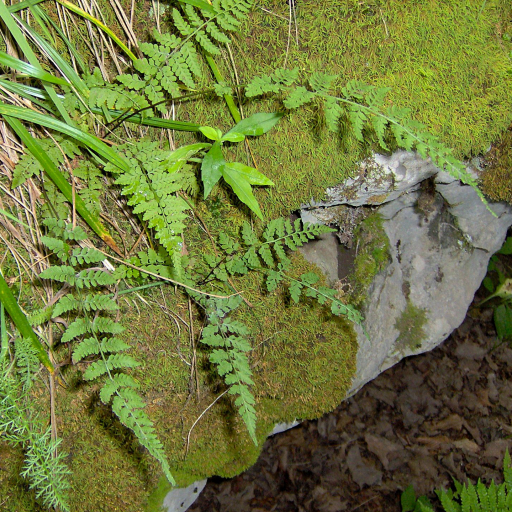
Often called the Blunt-lobed Woodsia or the Cliff Fern, this resilient little plant is a master of the rocky outcrop. While many ferns crave the deep, damp swamp, Woodsia obtusa is much happier tucked into a limestone crevice or a stony ledge. It possesses a soft, feathery appearance that belies its tough-as-nails nature and ability to withstand drier conditions than its cousins.
🔍 How to Identify
- 🌿 Frond Shape: The light green fronds are lance-shaped and typically grow in a graceful, circular clump reaching about 12 inches in height.
- 🟢 Blunt Lobes: Each leaflet (pinnae) is rounded or "blunt" at the tips rather than pointed, which is the key reason for its scientific name obtusa.
- 🌾 Stem Texture: The central stalk is straw-colored and scattered with tiny, pale scales and glandular hairs—a detail that sets it apart from smoother ferns.
🏡 In Your Garden
- 🪨 The Rock Specialist: This fern is a "calciphile," meaning it thrives in calcium-rich, alkaline environments. It is the perfect candidate for a rock garden or a stone wall where other plants might struggle to find a foothold.
- ☀️ Drought Tolerance: Unlike the thirsty Maidenhair fern, the Blunt-lobed Woodsia is surprisingly drought-tolerant once established. It can handle a bit more dappled sunlight than most ferns, provided its roots remain tucked away in a cool, well-drained spot.
⚠️ Safety & Toxicity
- ✅ Safe Status: Non-toxic and generally considered safe.
- 🐾 Pet Friendly: There are no known toxic effects for cats, dogs, or horses. It is a "worry-free" addition to a household with curious pets or toddlers.
✨ Fun Fact
The Blunt-lobed Woodsia is a bit of a "decoy" in the wild. It looks almost identical to the Fragile Fern (Cystopteris fragilis), but you can tell them apart by looking at the stem: Woodsia is hairy and scaly, while the Fragile Fern is completely smooth!

Detailed Care Instructions

Place in a window with dappled sun or a spot in the middle of a room. Or directly in a window facing west or east.

Some plants require more regular watering than others, which should be done every few days. It's critical to maintain the soil moist all of the time. The water requirements of the same plant placed in pots with varying sizes will differ. Because the water in the smaller pot evaporates faster than the water in the larger pot, it will require more watering. Regardless of pot size, the surface should constantly be maintained moist.








