Plant Overview
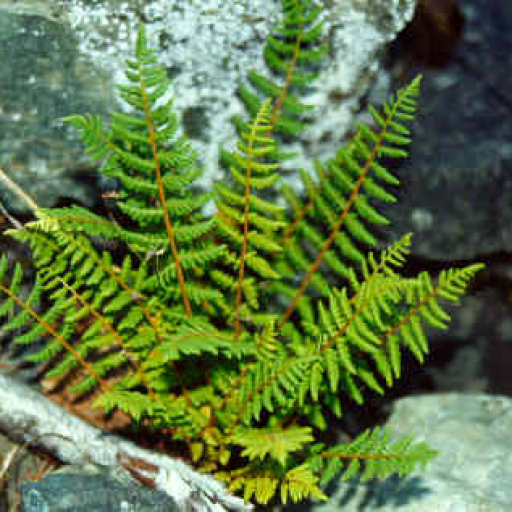
Often called the Western Cliff Fern or Oregon Woodsia, this petite survivor is a master of the rocky landscape. While many ferns demand a humid rainforest vibe, the Oregon Woodsia finds its comfort in the crags of cliffs and stony slopes. It is the perfect choice for gardeners who love the "wild mountain" aesthetic but have a yard dominated by rock rather than rich loam.
🔍 How to Identify
- 🌿 Frond Structure: The leaves (fronds) are narrow, lance-shaped, and usually grow between 4 to 10 inches long. They are "bi-pinnate," meaning the leaflets are divided twice, giving the plant a delicate, lacy texture.
- 🍂 The Stem (Stipe): The base of the stem is typically a dark, reddish-brown, transitioning into a straw-colored or pale green hue near the leaflets. These stems are notoriously brittle.
- ⭐ Starry Spores: If you flip a leaf over and use a magnifying glass, you’ll see the spore covers (indusia) are split into hair-like segments that look like tiny, frayed stars hugging the spores.
🏡 In Your Garden
- ⛰️ The Rock Specialist: Because this fern naturally grows in crevices, it despises "wet feet." It requires exceptional drainage and thrives when tucked into stone walls, rock gardens, or gravelly slopes where water moves away quickly.
- 💤 Drought Strategy: Unlike many ferns that wither and die without water, the Oregon Woodsia can enter a state of dormancy during extreme heat or drought. It may look brown and "crispy," but it is often just waiting for the next rain to turn green again.
⚠️ Safety & Toxicity
- ✅ Safe Status: Woodsia oregana is not known to be toxic to humans, cats, or dogs. It is a very "neighborly" plant for a family backyard.
- 🧤 Handling: While non-toxic, the stems are delicate and the plant is small; it is best placed in a spot where it won't be stepped on or frequently brushed against, as the fronds break easily.
✨ Fun Fact
The Oregon Woodsia is a true "pioneer" species. It is often one of the first plants to colonize cooling lava flows or sheer rock faces where no other plants can find a foothold, slowly helping to turn bare rock into soil over centuries.

Detailed Care Instructions
To grow Woodsia Oregana, also known as Oregon Woodsia or Oregon cliff fern, follow these steps:
- Choose a suitable location: Woodsia Oregana prefers partial to full shade and moist, well-drained soil. It is commonly found in rocky wooded areas or at the base of cliffs.
- Prepare the soil: Ensure the soil is well-drained by adding organic matter such as compost or leaf litter. This will help retain moisture without causing waterlogged conditions.
- Planting: Dig a hole slightly larger than the root ball of the Woodsia Oregana plant. Place the fern in the hole, ensuring the roots are well-covered with soil. Gently firm the soil around the plant.
- Mulching: Apply a layer of organic mulch around the base of the plant to help retain moisture and suppress weed growth. Avoid covering the crown of the fern with mulch, as this can lead to rotting.
- Watering: Keep the soil consistently moist. Ensure the plant receives adequate water during dry periods, especially in the summer. Avoid overwatering, as this can cause root rot.
- Fertilization: Woodsia Oregana generally does not require heavy fertilization. However, a light application of balanced fertilizer in spring can help promote healthy growth.
- Pruning: Remove any dead or damaged fronds from the plant as needed. This will help maintain the plant's appearance and prevent the spread of diseases.
- Protection from extreme temperatures: If you live in an area with harsh winters, cover the base of the plant with a layer of leaves or straw to protect it from frost damage.
- Division: Woodsia Oregana can be divided every few years to propagate new plants. Dig up the plant, separate the rhizomes, and replant them in suitable locations.
- Monitoring: Regularly inspect the fern for any signs of pests or diseases. If necessary, take appropriate measures to control any issues.
Remember, Woodsia Oregana is a native plant, so it is best grown in its natural habitat conditions to ensure its success.

Place in a window with dappled sun or a spot in the middle of a room. Or directly in a window facing west or east.
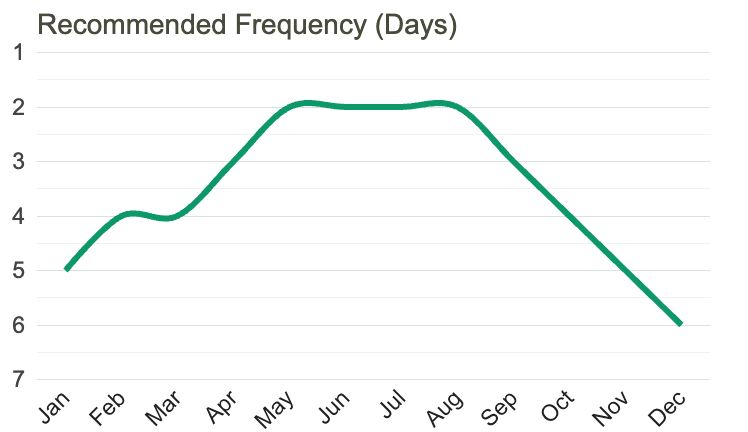
To efficiently water Woodsia Oregana plants, you should consider the following guidelines:
1. Understand watering needs: Woodsia Oregana plants prefer a slightly moist environment, but they do not tolerate excessive moisture or standing water. Maintaining proper drainage is crucial.
2. Soil selection: Plant Woodsia Oregana in well-draining soil that retains some moisture while allowing excess water to pass through. A mixture of peat moss, sand, and loam soil can be ideal.
3. Use the right container: If growing indoors, choose a pot with drainage holes to prevent water from pooling at the bottom. This ensures that the roots do not become waterlogged.
4. Watering frequency: With its moisture-loving nature, the Woodsia Oregana plant typically requires regular watering. As a general rule, water whenever the top inch of soil feels dry. Avoid allowing the soil to dry out completely or become waterlogged.
5. Watering technique: Slowly and evenly pour water at the base of the plant until it starts to drain out of the bottom. This allows water to reach the root system effectively. Avoid wetting the fronds or foliage excessively, as this can lead to disease or rot.
6. Adjust watering based on environmental conditions: Factors like temperature, humidity, and sunlight can influence a plant's water needs. Monitor these conditions closely to ensure proper hydration. In drier or warmer environments, you may need to water more frequently.
7. Avoid overwatering: Excessive moisture can damage the Woodsia Oregana plant's roots and cause them to rot. Always check the moisture level of the soil before watering and adjust accordingly.
8. Humidity considerations: Woodsia Oregana plants appreciate higher humidity levels. If you live in a dry climate or have indoor heating that lowers humidity, consider placing a tray of water near the plant or using a humidifier to create a more suitable environment.
Remember, it's always essential to observe the specific needs of your Woodsia Oregana plant and adjust watering practices accordingly.
To properly fertilize the Woodsia Oregana plant, follow these instructions:
- Choose a balanced fertilizer: Look for a fertilizer with an equal or similar proportion of nitrogen, phosphorus, and potassium (N-P-K) on the label. A balanced fertilizer ensures the plant receives essential nutrients in optimal amounts.
- Dilute the fertilizer: Follow the instructions on the fertilizer packaging to determine the appropriate dilution. It is important not to apply the fertilizer at full strength, as this can harm the plant.
- Apply during the growing season: Fertilize the Woodsia Oregana plant during its active growing season, which is usually in spring or early summer. Avoid fertilizing during periods of dormancy or when the weather conditions are extreme.
- Water the plant before fertilizing: Ensure the soil is moist before applying the fertilizer. This helps prevent fertilizer burn and ensures the nutrients are evenly distributed.
- Apply the fertilizer evenly: In a gentle and controlled manner, pour the diluted fertilizer around the base of the plant, ensuring it reaches the top layer of the soil. Be cautious not to pour the fertilizer directly on the foliage, as this can cause damage.
- Water the plant after fertilizing: After applying the fertilizer, thoroughly water the plant to help distribute the nutrients throughout the soil and prevent any potential root or foliage damage.
- Monitor the plant's response: Observe how the Woodsia Oregana plant reacts after fertilization. If you notice any adverse effects, such as yellowing leaves or stunted growth, discontinue fertilizing and focus on correcting any potential issues with watering, sunlight, or drainage.
Remember, fertilizing is just one aspect of plant care. Ensure you are also providing adequate sunlight, proper watering, and suitable growing conditions to promote healthy growth for the Woodsia Oregana plant.
The ideal soil for Woodsia oregana plants is typically well-draining and rich in organic matter. It should provide adequate moisture retention while allowing excess water to drain away. The pH level of the soil should be slightly acidic to neutral.
A suitable soil mixture for Woodsia oregana may include a combination of loam, peat moss, and sand. Loam provides good drainage and nutrient retention, while peat moss improves moisture retention and organic content. Adding sand helps improve drainage and prevents waterlogging.
It is crucial to ensure that the soil is free from any contaminants, such as chemicals or heavy metals, as these can negatively affect the plant's growth and overall health. Additionally, periodic soil testing can help maintain optimal nutrient levels for the Woodsia oregana plant, as it may require specific nutrients based on its growth stage.
Proper soil preparation and maintenance are essential for the successful cultivation of Woodsia oregana plants and promoting their health, vigor, and aesthetic appeal.
To propagate Woodsia oregana plants, you can follow the following steps:
- Find a mature Woodsia oregana plant with well-established fronds. These plants usually grow in rocky habitats or forested areas.
- Select a healthy frond that has at least two pairs of leaflets. Make sure the frond is free from any diseases or pest damage.
- Using a clean and sharp knife or scissors, carefully cut the frond close to the base, making sure to include a portion of the rhizome (underground stem) attached to it.
- Prepare a propagation medium by mixing equal parts of peat moss and perlite. This mixture provides good drainage and moisture retention.
- Fill a small pot or tray with the prepared propagation medium and moisten it slightly by watering or misting.
- Make a hole in the propagation medium using a pencil or your finger, about 1-2 inches deep.
- Place the cut end of the frond into the hole, ensuring that the rhizome is inserted into the medium. Gently firm the medium around the base of the frond to hold it in place.
- Cover the pot or tray with a plastic bag or place it in a clear plastic container to create a mini-greenhouse effect. This helps maintain humidity and create a favorable environment for rooting.
- Place the container in a well-lit area that receives indirect sunlight. Avoid direct sunlight as it may scorch the frond.
- Mist the frond with water occasionally to keep it moist but not excessively wet. Monitor the moisture levels regularly.
- After a few weeks, you should start to see new growth emerging from the base of the frond, indicating successful propagation.
- Once the new plantlets have developed a few inches of growth, they can be carefully removed from the propagation medium and potted individually into well-draining soil.
- Water the new plants regularly, allowing the soil to dry slightly between waterings.
- Keep the young plants in a partially shaded area for a few weeks to help them acclimate to their new environment.
- Continue to care for the plants by providing adequate moisture, well-draining soil, and partial shade until they are established and can eventually be planted in a suitable outdoor location.
Note: It's always beneficial to research and consult additional resources to gain a comprehensive understanding of propagating Woodsia oregana plants, as specific techniques may vary based on individual preferences and regional conditions.








