Plant Overview
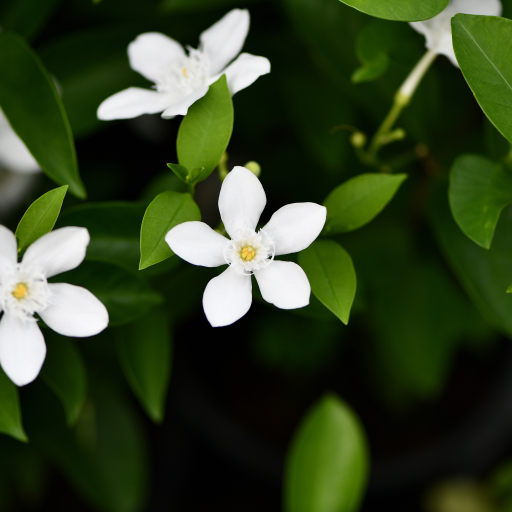
Often called the "Arctic Snow" or "Milky Way," this elegant shrub looks like it has been dusted with fresh snowfall year-round. Native to the tropical forests of Sri Lanka, it has become a global favorite for those seeking a "set and forget" flowering plant that brings a sense of purity to the garden. Its delicate, star-shaped white blooms are so perfectly formed they almost look carved from wax, providing a stark, beautiful contrast against its deep green foliage.
🔍 How to Identify
- 🌼 Star-Shaped Blooms: The flowers are pure white with five petals and feature unique, feathery "coronal scales" in the center that look like a tiny secondary flower.
- 🌿 Glossy Foliage: The leaves are arranged in opposite pairs, featuring an elliptic shape and a waxy, dark green finish that stays vibrant all year.
- 🌳 Compact Shrub Habit: It typically grows as a multi-stemmed, bushy shrub reaching 3 to 5 feet, though it can be trained into a small, elegant tree.
🏡 In Your Garden
- ☀️ Light & Bloom Power: While it is a tough plant, it is a "light hog" when it comes to flowering; the more bright, indirect sun it receives, the more "snow" (flowers) it will produce.
- 💧 Humidity Lover: Originating from the tropics, it thrives in moisture. If you notice buds dropping before they open, it’s often a sign that the air is too dry or the soil has been allowed to parch for too long.
- ✂️ Pruning Versatility: Because it blooms on new growth, you can prune it heavily in early spring to maintain a tight, ornamental shape without sacrificing the floral display.
⚠️ Safety & Toxicity
- 🐾 Pet & Child Caution: Like many members of the Dogbane family, this plant contains a milky white latex sap.
- 🚫 Irritant Potential: The sap can cause mild skin irritation (dermatitis) for some gardeners and may cause stomach upset if leaves or stems are chewed by pets or children. It is best to wear gloves while pruning.
✨ Fun Fact
📜 A Medicinal Moniker: The species name antidysenterica isn't just a random Latin word; it refers to the plant's historical use in traditional Ayurvedic medicine, where the bark and seeds were once used to treat digestive ailments.

Detailed Care Instructions
To grow Wrightia antidysenterica, also known as Milky Way, you can follow these steps:
- Purchase seeds or young Wrightia antidysenterica plants from a reputable nursery or online store. Make sure the plants are suitable for your climate zone.
- Choose a suitable location with well-draining soil and full sunlight. Wrightia antidysenterica prefers warm and sunny conditions.
- Prepare the soil by loosening it with a garden fork or tiller. Remove any weeds or debris from the planting area.
- Sow the seeds directly into the prepared soil, or plant the young plants at a depth of about 1 inch. Space the plants at least 2 to 3 feet apart to allow proper growth.
- Water the plants thoroughly after planting, and then keep the soil slightly moist but not waterlogged. Avoid overwatering, as it can lead to root rot.
- Apply a balanced fertilizer according to the package instructions every 4 to 6 weeks during the growing season. This will provide essential nutrients for healthy growth.
- Protect the plants from frost and cold temperatures, as Wrightia antidysenterica is not frost-tolerant. If you live in a colder climate, consider growing the plant in a container so you can bring it indoors during winter.
- Prune the plants regularly to maintain their shape and promote bushier growth. You can remove any dead or damaged branches and trim the plant to the desired height.
- Monitor the plants for any signs of pests or diseases, such as aphids or leaf spots. Treat any issues promptly using organic insecticides or fungicides if necessary.
- Enjoy the beautiful flowers and fragrance of the Wrightia antidysenterica plant. It usually blooms in spring and summer, producing clusters of small white or pale purple tubular flowers.
Remember to research and understand your specific climate conditions and the care requirements of Wrightia antidysenterica to ensure the best possible growth and health for your plants.

Place in a bright room that is sun drenched almost all day. Or directly in a south-facing window.

The plant in question prefers moist soil and requires frequent watering, especially during hot and dry weather. However, it is important not to overwater the plant as this can lead to waterlogged soil and root rot. To avoid this, wait until the top inch of soil is dry before watering. When watering, add enough water to thoroughly saturate the root ball but allow excess water to drain away. It is also important to ensure good drainage in the pot or container in which the plant is growing. In addition, misting the foliage regularly can help to keep the plant healthy and vibrant.
For proper growth of the plant, fertilize it with a well-balanced fertilizer every 2-4 weeks during the growing season. Use a balanced organic fertilizer or a water-soluble fertilizer with a balanced NPK ratio. Apply the fertilizer according to the manufacturer's instructions and ensure that the soil is moist before applying the fertilizer. Avoid over-fertilization, as this can damage the roots and lead to salt build-up in the soil.
Wrightia Antidysenterica plant is a tropical plant that grows well in well-drained, sandy soil with a neutral to slightly alkaline pH level. The soil should be rich in organic matter and should have good drainage to prevent waterlogging. The plant prefers full sun to partial shade and can tolerate high temperatures and humidity. It is important to avoid overwatering the plant, as it does not like to sit in wet soil for extended periods. Fertilization should be done sparingly, as excessive fertilizer can damage the plant's roots. It is recommended to use a balanced fertilizer once every two to three months during the growing season.
To propagate this plant, first select a healthy parent plant with strong stems and leaves. Take a cutting from the parent plant, making sure to use a sharp, clean pair of pruning shears. The cutting should be a young stem with leaves and at least a few nodes.
Dip the cut end of the cutting into rooting hormone powder, which will help it develop roots more quickly. Next, plant the cutting into a small pot filled with well-draining soil. Water the cutting lightly, making sure not to overwater.
Place the pot in a warm, bright location that receives indirect sunlight. Keep the soil moist but not soggy, and mist the cutting with water regularly to keep it humid. In about 4-6 weeks, the cutting should have developed roots and be ready to be transplanted into a larger pot or into the ground.








