Plant Overview
Known as the "Tree Ivy" or "Lizard Tree Ivy," this plant is a fascinating "botanical mule." It is a rare intergeneric hybrid, created in a French nursery in 1912 by crossing the sturdy Fatsia japonica with the climbing Hedera helix (English Ivy). It perfectly captures the middle ground between its parents, offering the lush, tropical look of a shrub with the sprawling, flexible personality of a vine.
🔍 How to Identify
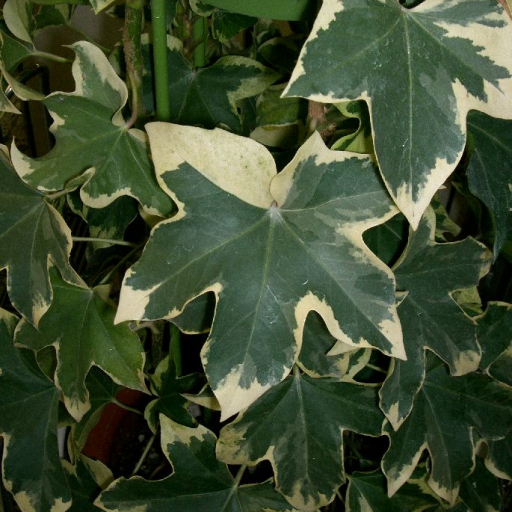
- 🍃 The Foliage: Large, leathery, and deeply lobed leaves (usually 5 to 7 points) that look like a polished version of English Ivy but can grow up to 10 inches wide.
- 🌿 The Growth Habit: It possesses a "weak" upright stem. Unlike its ivy parent, it doesn't have aerial roots to climb on its own, and unlike its Fatsia parent, it isn't quite strong enough to stand perfectly straight without help.
- ✨ The Texture: The leaves have a high-gloss, waxy finish that reflects light beautifully, making it a popular choice for brightening up dim indoor corners.
🏡 In Your Garden
- 🏗️ The Support System: Because it’s a "scrambler" rather than a true climber, you’ll need to provide a moss pole or trellis. Without support, it will eventually arch over and trail along the ground like a heavy groundcover.
- ⛅ The Sweet Spot: This plant is a champion of the "bright-shade" niche. It dislikes direct afternoon sun, which can scorch its glossy leaves, but it will lose its compact shape and become "leggy" if kept in total darkness.
- ✂️ Pruning Nuance: To keep it looking like a lush bush rather than a long, thin stick, you must pinch off the growing tips. This encourages the plant to branch out from the base.
⚠️ Safety & Toxicity
- 🚫 Status: Toxic to humans and pets.
- 🐾 Details: Like its Ivy ancestors, it contains saponins. If ingested, it can cause stomach upset, drooling, and vomiting in cats and dogs. The sap may also cause mild skin irritation or "contact dermatitis" for gardeners with sensitive skin, so wearing gloves during pruning is a smart move.
✨ Fun Fact
Because it is a cross between two different genera, X Fatshedera lizei is sterile. It produces tiny, sterile pale-green flowers, but it cannot produce seeds; every Tree Ivy in the world today is a clone, propagated by cuttings from that original hybrid created in France over 100 years ago!

Detailed Care Instructions
Here are some tips to help you grow X Fatshedera Lizei plant:
- Lighting: X Fatshedera Lizei plants prefer bright, indirect light. Place them near a window with filtered sunlight. Avoid exposing them to direct sunlight, as it can burn the leaves.
- Temperature: These plants prefer moderate temperatures between 60-75°F (15-24°C). Try to keep them away from drafts or extreme temperature fluctuations.
- Watering: Keep the soil evenly moist, but not overly wet. Water the plant when the top inch of soil feels dry. Avoid overwatering, as it can lead to root rot. It's better to underwater than overwater.
- Soil: Use a well-draining potting mix that retains some moisture. Mix equal parts of potting soil, perlite, and peat moss to create an ideal mix for X Fatshedera Lizei plants.
- Humidity: X Fatshedera Lizei plants appreciate higher humidity levels. You can increase humidity by placing a tray of water near the plant or using a humidifier. Misting the leaves occasionally can also help.
- Fertilizer: Feed the plant with a balanced, water-soluble fertilizer once a month during the growing season (spring and summer). Follow the instructions on the fertilizer packaging for the proper dilution and application.
- Pruning: Regularly trim the plant to maintain its shape and encourage bushier growth. Pinch off the top leaves or sections to promote branching and prevent it from becoming leggy.
- Propagation: X Fatshedera Lizei plants can be propagated through stem cuttings. Simply take a healthy stem cutting with a few leaves and dip the cut end in rooting hormone. Plant the cutting in a pot with moist potting mix and keep it in a warm, humid environment until roots develop.
Remember that different plants may have specific care requirements, so observing the plant's response and adjusting care accordingly is always recommended.
- Light Requirements: X Fatshedera Lizei plants prefer bright, indirect light. Place the plant near a window where it can receive partial sunlight throughout the day.
- Soil Type: Use a well-draining potting mix for X Fatshedera Lizei. The soil should retain moisture but not become waterlogged. A mixture of peat moss, perlite, and compost works well.
- Watering Frequency: Water the plant thoroughly when the top inch of soil feels dry to the touch. Insert your finger into the soil to check the moisture level. Avoid overwatering as it can lead to root rot.
- Watering Technique: Use room temperature water when watering X Fatshedera Lizei. Slowly pour water into the pot until it starts draining from the bottom. Allow the excess water to flow out completely and then empty the drainage tray.
- Watering Amount: Aim to moisten the soil evenly, ensuring that water reaches the roots. Avoid splashing water on the leaves, as it can create a humid environment and increase the risk of diseases.
- Humidity Requirements: X Fatshedera Lizei plants appreciate slightly higher humidity levels. To increase humidity, you can place a tray filled with water near the plant or use a humidifier in the room.
- Watering during Seasons: In spring and summer, when the plant is actively growing, you may need to water more frequently. However, during the cooler months of fall and winter, reduce the watering frequency as the plant's growth slows down.
- Signs of Underwatering: If the leaves start to wilt or droop, it could indicate that the plant needs more water. Check the moisture level of the soil and adjust your watering schedule accordingly.
- Signs of Overwatering: Yellowing leaves, a mushy stem, or an unpleasant odor may indicate overwatering. If you notice these signs, reduce watering and ensure proper drainage to prevent root rot.
- Additional Care: X Fatshedera Lizei plants benefit from occasional misting. This helps to remove dust from the leaves and increases humidity. Clean the leaves with a soft, damp cloth to ensure photosynthesis is not hindered.
Remember, every plant may have individual watering needs based on its specific environment, size, and potting conditions. Monitor the plant regularly, make adjustments as needed, and observe how the plant responds to find the optimal watering routine.
To effectively fertilize your X Fatshedera Lizei plant, follow these instructions:
- Select a balanced, water-soluble, or slow-release fertilizer suitable for indoor plants.
- Dilute the fertilizer according to the manufacturer's instructions. Avoid using more fertilizer than recommended to prevent chemical burns or root damage.
- Apply the diluted fertilizer evenly to the soil around the base of the X Fatshedera Lizei plant.
- Ensure the soil is slightly moist before fertilizing to help prevent nutrient imbalances or salt buildup.
- Use a watering can or sprayer to apply the fertilizer solution, avoiding direct foliage contact.
- During the active growing season (usually spring and summer), fertilize the plant every 4-6 weeks to support healthy growth.
- In the colder months, reduce the frequency of fertilization to once every 8-12 weeks, as the plant's growth rate slows down.
- Monitor the plant's response to fertilization. If you notice any signs of fertilizer burn, such as yellowing leaves or leaf-tip browning, reduce the concentration and frequency of fertilization.
- Regularly water the plant after fertilization to ensure the nutrients are properly absorbed by the roots.
- It is essential to follow a consistent fertilization schedule while also considering other factors like light, water, and soil conditions to maintain optimum health for your X Fatshedera Lizei plant.
When selecting soil for X Fatshedera Lizei plant, it is essential to consider certain characteristics to promote healthy growth. It is recommended to opt for a well-draining soil mixture that retains moisture without becoming waterlogged. This type of soil prevents root rot and allows sufficient airflow to the roots.
A balanced soil mix that offers good fertility is also beneficial. Look for soil that contains organic matter such as compost or peat moss, which boosts nutrient levels and improves moisture retention. This organic material also enhances the soil's structure, making it loamy and ensuring adequate aeration to the roots.
Choosing a pH-neutral to slightly acidic soil is ideal for X Fatshedera Lizei. This pH range promotes nutrient availability and uptake, crucial for the plant's overall health. However, it is important to note that this plant can tolerate a wide range of soil pH levels.
Additionally, incorporating some perlite or sand in the soil mix can ensure effective drainage and prevent soil compaction. This enables water to flow freely through the soil, preventing excess moisture from accumulating at the roots.
To ensure successful growth, it is advisable to replenish the soil periodically with organic matter or top-dress with compost to maintain soil fertility and structure. Finally, regular monitoring of the plant's moisture needs will help determine the frequency of watering and guarantee the best soil conditions for X Fatshedera Lizei plant.
Propagation of X Fatshedera Lizei plants can be done through various methods, such as stem cuttings and layering. Here is a step-by-step guide on how to propagate this plant:
- Start by selecting a healthy parent plant. Look for a mature X Fatshedera Lizei plant with strong and vibrant foliage. This will ensure a better chance of successful propagation.
- Prepare a clean and sharp pair of pruning shears or a sharp knife. Sterilize the cutting tool by wiping it with rubbing alcohol or dipping it in a diluted bleach solution. This helps prevent the spread of diseases or infections during the cutting process.
- Choose a suitable stem for propagation. Select a non-flowering stem that is approximately 4 to 6 inches long. The stem should be healthy, non-woody, and free from any signs of damage or disease.
- Make a clean, diagonal cut just below a leaf node on the selected stem. A leaf node is the point on the stem where a leaf emerges. This is where the roots will eventually develop.
- Remove the lower leaves from the stem, leaving only a few leaves at the top. This reduces moisture loss and helps redirect energy towards root development.
- (Optional) Optionally, apply a rooting hormone to the cut end of the stem. This hormone promotes the development of roots and increases the chances of successful propagation. Follow the instructions on the rooting hormone packaging for application.
- Prepare a small pot or container with well-draining potting soil. Moisten the soil slightly to ensure it is evenly damp but not waterlogged.
- Create a planting hole in the soil using a pencil or your finger. Gently insert the stem cutting into the hole, burying the nodes where the leaves were removed.
- Firmly press the soil around the cutting to secure it in place. Ensure that at least one or two nodes are submerged in the soil. Leave the top few leaves exposed.
- Place the potted cutting in a warm, bright location away from direct sunlight. A temperature range of 65-75°F (18-24°C) is optimal for root development.
- Maintain a consistently moist soil by watering the cutting gently whenever the top inch of the soil feels dry. Avoid overwatering, as this can lead to rotting.
- After a few weeks, monitor the cutting for signs of new growth or root development. Gentle tugs on the stem will reveal resistance if roots have formed.
- Once the new plant has developed a root system and shows signs of vigorous growth, it can be transplanted into a larger, permanent pot or planted directly into the garden.
Remember to be patient during the propagation process, as it may take several weeks for roots to develop. By following these steps, you can successfully propagate X Fatshedera Lizei plants and expand your collection.








