Plant Overview
Often mistaken for a common fern at first glance, Zamia erosa is actually a "living fossil" with a lineage dating back to the era of the dinosaurs. Hailing from the Caribbean, particularly Puerto Rico and Cuba, this cycad is nicknamed the Serrated Coontie due to the unique, jagged tips of its leaves. It is a slow-growing, resilient architectural piece that adds a touch of prehistoric mystery to any tropical garden or indoor space.
🔍 How to Identify
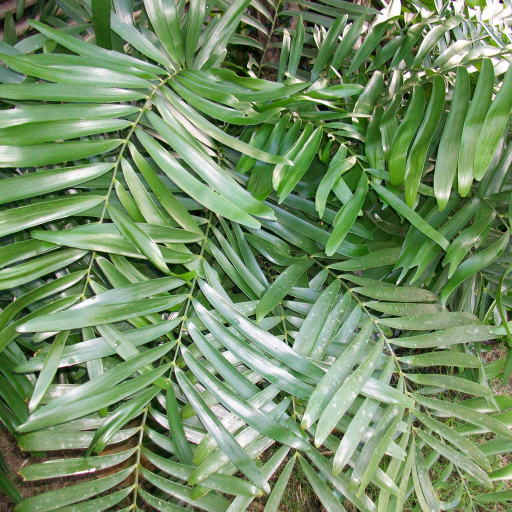
- 🪚 The "Gnawed" Leaflets: The defining feature is the leaflet tips, which look slightly "erose" or bitten off, giving them a jagged, serrated appearance rather than a smooth point.
- 🌿 Leathery Fronds: The leaves are stiff, thick, and grow in a circular rosette pattern, emerging from a central base.
- 🪵 The Caudex: It possesses a subterranean or semi-exposed trunk (caudex) that is thick and woody, serving as a water storage organ during dry spells.
🏡 In Your Garden
- 💧 Drainage is Vital: Because it stores water in its thick, underground stem, Zamia erosa is highly susceptible to root rot. It thrives in gritty, sandy soil that mimics its natural limestone-heavy Caribbean habitat.
- ☀️ Dappled Shade Specialist: Unlike its cousin, the Cardboard Palm, which loves full sun, Zamia erosa prefers filtered light. In the wild, it grows as an understory plant, so direct afternoon sun can bleach or scorch its ancient-looking fronds.
⚠️ Safety & Toxicity
- 🚫 Status: Toxic to humans and animals.
- 🐕 Details: Like all cycads, this plant contains cycasin, which is highly poisonous if ingested. Pet owners should be extremely cautious, as dogs are often tempted to chew the seeds or fronds, which can lead to severe liver failure. Always wash your hands after pruning or handling the plant.
✨ Fun Fact
Cycads like Zamia erosa have a unique relationship with "cyanobacteria" (blue-green algae). The plant grows special "coralloid roots" that pop up near the soil surface to house these bacteria, which pull nitrogen from the air to help the plant grow in poor, rocky soils!

Detailed Care Instructions








