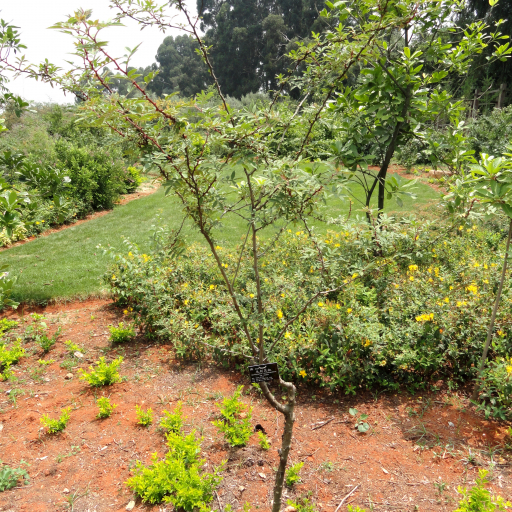
Plant Overview
Known as the "Spice of the Batak Kings," Zanthoxylum acanthopodium—locally called Andaliman—is a wild citrus-relative that creates a sensory experience like no other. While it looks like a typical forest shrub, its tiny berries possess a "vibrating" quality that numbs the tongue, similar to its famous cousin, the Sichuan pepper. Native to the highlands of North Sumatra, this plant is deeply woven into the culinary identity of the Batak people, used to provide a zesty, electric kick to traditional dishes.
🔍 How to Identify
- 🌿 The Leaves: Look for "pinnate" leaves, meaning they grow in pairs along a central stem with one terminal leaf at the tip. They are glossy, dark green, and emit a sharp citrus scent when crushed.
- 🪡 The Defensive Thorns: This plant isn't shy about protecting itself. You will find sharp, woody prickles along the branches and even on the undersides of the leaf midribs.
- 🍒 The Fruit: It produces small, clustered berries that transition from green to a vibrant reddish-brown. The outer husk is the prized part, bumpy and rich in essential oils.
🏡 In Your Garden
- ⛰️ Highland Heritage: Because it originates in mountainous regions, it prefers slightly cooler temperatures and high humidity. It struggles in extreme heat and needs protection from the scorching midday sun.
- 💧 Sensitive Roots: While it enjoys moisture, it is prone to root rot if the soil is heavy or compacted. It thrives in loamy, well-draining soil that mimics the forest floor of its Indonesian home.
- 🌳 Growth Habit: It grows as a sprawling shrub or small tree. In a home garden, it requires regular pruning to keep the thorny branches from becoming an unruly (and painful) thicket.
⚠️ Safety & Toxicity
- 🧤 Physical Hazard: The primary danger of the Andaliman plant is its sharp thorns. Always wear thick gardening gloves when pruning or harvesting to avoid painful punctures.
- 🐾 Pet Safety: While the berries are a common culinary spice for humans, the high concentration of essential oils and hydroxy-alpha-sanshool can cause stomach upset or drooling in cats and dogs if leaves are chewed.
- 👅 The Numbing Effect: For humans, eating the raw berries causes a tingling, "electric" sensation on the tongue. This is a natural chemical reaction and not an allergic one, though it can be startling for the uninitiated!
✨ Fun Fact
The "heat" from Andaliman isn't actually heat. It contains a compound called hydroxy-alpha-sanshool, which tricks your nerves into feeling a physical vibration. Scientists have found that this spice makes your lips and tongue feel like they are vibrating at a frequency of about 50 Hertz—the same frequency as many power grids!

Detailed Care Instructions
Zanthoxylum acanthopodium, commonly known as the prickly ash or toothache tree, is a member of the Zanthoxylum genus. Here are some guidelines on how to grow this plant successfully:
1. Climate and Location:
- Hardiness Zone: Generally prefers USDA zones 5 to 9.
- Sunlight: Requires full sun to partial shade. Ensure it gets at least 6 hours of sunlight a day.
2. Soil:
- Soil Type: Thrives in well-draining soil. Sandy or loamy soil with good organic content is ideal.
- pH Level: Prefers slightly acidic to neutral soil (pH 6.0 to 7.5).
3. Propagation:
- Seeds: You can propagate from seeds. Stratify seeds by soaking them in water for 24 hours, then refrigerating them for about 60 days to mimic winter conditions.
- Cuttings: Softwood cuttings can also be taken in spring or hardwood cuttings in late winter.
4. Watering:
- Moisture: Water regularly, especially during dry spells, but be careful not to over-water. Allow the soil to dry slightly between waterings.
5. Fertilization:
- Use a balanced, slow-release fertilizer in the spring to encourage growth. Follow the manufacturer's instructions for application rates.
6. Pruning:
- Light pruning can help maintain shape and remove dead or damaged branches. Prune in late winter or early spring before new growth starts.
7. Pests and Diseases:
- Zanthoxylum acanthopodium is generally resistant to many pests and diseases, but it's still prudent to monitor for common garden pests and treat them accordingly.
8. Uses:
- This plant is not only ornamental but can also be used for medicinal purposes, primarily in traditional herbal medicine. The bark and berries have historical uses, particularly for toothaches.
9. Winter Care:
- If you live in a colder climate, provide some winter protection, such as mulch, to protect the roots from freezing temperatures.
10. Harvesting:
- If you're growing it for its medicinal properties, the bark can be harvested in the fall or winter.
By following these guidelines, you should be able to successfully grow Zanthoxylum acanthopodium. Happy gardening!
To effectively water Zanthoxylum acanthopodium, consider the following guidelines:
- Soil Moisture Monitoring: Before watering, check the moisture level of the soil. This species prefers well-drained soil, so it’s crucial to avoid overwatering. Use your finger or a soil moisture meter to determine the condition of the soil. Water only when the top inch (2.5 cm) feels dry.
- Watering Method: When you decide to water, do it gradually and evenly. Use a watering can or a hose with a gentle spray nozzle to ensure you don’t disturb the root system. Aim to moisten the soil evenly around the base of the plant.
- Water Amount: Provide enough water to saturate the root zone but avoid allowing it to sit in water. A thorough soaking of the root zone is ideal, which typically means around 1-2 gallons (3.8-7.6 liters) for established plants, depending on their size and soil condition.
- Frequency: Watering frequency will depend on environmental factors such as temperature, humidity, and season. During hot, dry periods, you may need to water more often, while in cooler, wetter seasons, reduce the frequency. Generally, aim for a balance where the plant receives consistent moisture without being waterlogged.
- Mulching: Applying a layer of mulch can help retain soil moisture and reduce evaporation. Use organic materials like wood chips, straw, or leaves to create a protective layer around the base of the plant.
- Drainage Considerations: Ensure that the planting area has good drainage to prevent water from pooling. If necessary, amend the soil with sand or compost to improve drainage capabilities.
- Seasonal Adjustments: During the plant’s active growth phase, typically in warmer months, increase watering frequency, while during dormancy in cooler months, reduce it significantly.
By following these watering practices, you can help ensure that Zanthoxylum acanthopodium thrives in its environment.
Fertilizing Zanthoxylum acanthopodium requires careful attention to its growth stage and environmental conditions. Here are some instructions to optimize its growth through fertilization:
- Timing: Fertilize during the active growth period, typically in spring and early summer. Avoid fertilizing during the dormant months (late fall and winter).
- Type of Fertilizer: Use a balanced granular fertilizer with an N-P-K ratio of approximately 10-10-10 or a slow-release fertilizer specifically formulated for shrubs. Organic options, such as compost or well-aged manure, can also be beneficial.
- Application Rate: Follow the manufacturer's instructions for the specific fertilizer you choose, adjusting based on the size and age of the plant. Generally, apply about 1 to 2 ounces (28 to 56 grams) of granular fertilizer per plant for young specimens and increase the amount for mature plants.
- Method of Application: Distribute the fertilizer evenly around the base of the plant, keeping it a few inches away from the trunk to avoid root burn. Ensure that it reaches the root zone, ideally within the drip line of the plant.
- Watering: After applying fertilizer, thoroughly water the area to help dissolve the nutrients and promote uptake by the roots. Ensure the soil is moist but not waterlogged.
- Soil Testing: Consider performing a soil test before fertilization to determine nutrient levels and pH. This will help tailor the fertilization plan to meet the specific needs of the plant.
- Monitoring: Observe the plant for signs of nutrient deficiency, such as yellowing leaves, stunted growth, or poor flowering. Adjust your fertilization routine based on these observations.
- Avoid Over-fertilization: Excess fertilizer can harm the plant and its environment. If signs of over-fertilization occur (e.g., leaf burn, excessive growth with weak stems), reduce the amount of fertilizer applied or increase watering to help leach out excess nutrients.
By following these guidelines, you can effectively support the healthy growth and development of Zanthoxylum acanthopodium.
Zanthoxylum acanthopodium thrives in well-draining soils that are rich in organic matter. A good mixture would typically include:
- Loamy Soil: A balanced mix of sand, silt, and clay promotes drainage while retaining some moisture and nutrients.
- Organic Matter: Incorporate compost or well-decomposed leaf mold to improve soil structure, enhance nutrient availability, and promote beneficial microbial activity.
- pH Level: Aim for a slightly acidic to neutral pH (around 6.0 to 7.0). Conduct a soil test if needed to ensure optimal pH for the plant’s growth.
- Sand or Perlite: To enhance drainage, particularly if you are in regions with high rainfall or poor drainage. Mixing in a small percentage of coarse sand or perlite can prevent the soil from becoming waterlogged.
- Mulch Layer: Adding organic mulch on top of the soil can help retain moisture, suppress weeds, and gradually improve soil quality as it breaks down.
It’s essential to avoid heavy clay soils that retain too much water, as this can lead to root rot. Ensure that the container or planting area allows for good drainage to maintain optimal growing conditions. Regular monitoring of soil moisture is also recommended, as this plant prefers conditions that are neither excessively wet nor too dry.
Zanthoxylum acanthopodium is a member of the Rutaceae family, and propagating this plant can be achieved through several methods, primarily focusing on seed propagation and vegetative techniques such as stem cuttings. Here’s a detailed guide on both methods:
Seed Propagation
- Seed Collection: Once the fruit is fully ripe, collect the seeds. It’s best to harvest them when they have turned dark and dry, indicating readiness for harvesting.
- Seed Preparation: Clean the seeds to remove any pulp. Rinse them gently in water and let them dry. Some growers recommend soaking the seeds in water for 24 hours to improve germination rates.
- Stratification (optional): Depending on the climate, stratifying the seeds can help. This involves placing the seeds in a damp medium (like sand or peat moss) in a sealed bag and refrigerating them for 4-6 weeks to simulate winter conditions.
- Sowing: Use a well-draining potting mix. Fill seed trays or pots and sprinkle the seeds on the surface, covering them lightly with soil. Maintain a distance between seeds to allow for healthy root development.
- Watering: Moisten the soil but do not overwater. The soil should remain humid but not soggy. Use a spray bottle for gentle watering.
- Germination Conditions: Place the trays in a warm location, ideally with indirect sunlight. The ideal temperature for germination is between 20-25°C (68-77°F).
- Transplanting: Once seedlings develop a few true leaves and are big enough to handle, they can be transplanted into individual pots. Ensure they have sufficient light as they grow.
- Care: Water regularly and provide adequate nutrients as the seedlings grow. Gradually acclimate them to outdoor conditions if they were started indoors.
Vegetative Propagation (Stem Cuttings)
- Selecting Cuttings: Choose healthy, semi-hardwood stems from the parent plant. This is typically done in late spring to early summer when the plant is actively growing.
- Preparing Cuttings: Cut 10-15 cm (4-6 inches) sections, ensuring each cutting has a few sets of leaves. Make a clean cut just below a leaf node.
- Rooting Hormone (optional): Dip the cut end in rooting hormone to encourage root development, though this is not always necessary.
- Planting: Insert the cuttings into a well-draining potting mix or propagation medium. Ensure that at least one node is below the soil line.
- Watering: Water the cuttings lightly and maintain moisture in the growing medium.
- Humidity and Light: Cover the cuttings with a plastic bag or a humidity dome to maintain humidity while ensuring they receive indirect sunlight.
- Root Development: After a few weeks (typically 4-6 weeks), check for root development by gently tugging on the cuttings. A good resistance suggests roots have formed.
- Transplanting: Once the cuttings have developed a strong root system, they can be transplanted into larger pots or into the garden.
Maintenance
- Light: The plant thrives in full sun but can tolerate partial shade.
- Watering: Ensure consistent moisture, especially in dry periods, but avoid waterlogging.
- Fertilizing: Apply a balanced fertilizer during the growing season to support growth.
Conclusion
Zanthoxylum acanthopodium can be successfully propagated through both seed germination and stem cuttings. Choose the method that suits your available resources and time, and maintain proper care to ensure successful establishment and growth of the new plants.








