Plant Overview
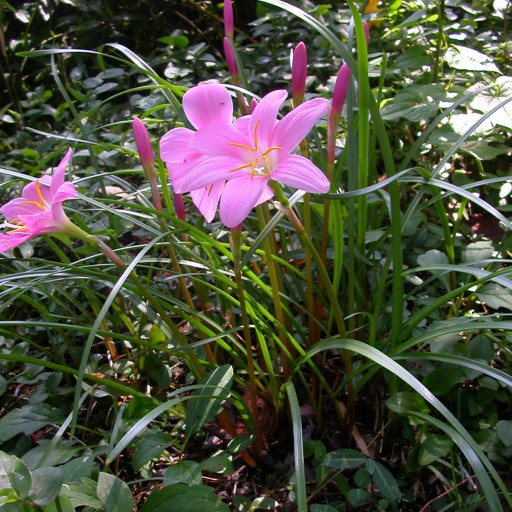
Often called the "Rosepink Zephyr Lily," this charming bulbous plant is famous for its sudden, dramatic appearance. One day your garden looks like a simple patch of green grass, and the next—usually following a heavy summer storm—it erupts into a sea of vibrant pink. It is nature’s way of providing a silver lining to a rainy day.
🔍 How to Identify
- 🌸 Petal Power: Features large, funnel-shaped flowers that can reach up to 4 inches across, boasting six distinct, deep pink petals that fade to a paler throat.
- 🌿 The Foliage: Before the blooms arrive, the plant consists of slender, strap-like green leaves that look remarkably like thick blades of grass.
- 💛 Golden Heart: At the center of each flower sits a prominent cluster of bright yellow anthers, which provide a beautiful contrast to the pink petals.
🏡 In Your Garden
- 💧 The Rain Trigger: These plants possess a unique biological "alarm clock" tied to atmospheric pressure and moisture. They often remain purely green until a significant rain event signals the bulbs to push out flowers almost overnight.
- 🪴 Bulb Sensitivity: While they are hardy, they prefer to stay put once planted. They have a "taproot-like" sensitivity to being moved and often bloom better when the bulbs are slightly crowded in the pot or soil.
- ☀️ Sun Seekers: To get the best color, they need plenty of sunlight. While they can survive in shade, the stalks will become "leggy" and the flowers won't have that signature neon-pink pop.
⚠️ Safety & Toxicity
- 🚫 Toxicity Status: Toxic to humans and pets.
- 🐾 The Danger Zone: The entire plant contains various alkaloids, with the highest concentration found in the bulb. If ingested by curious cats or dogs, it can cause vomiting, drooling, and abdominal pain.
- 🧤 Skin Care: While not typically an irritant, some gardeners with sensitive skin may experience mild redness when handling damaged bulbs, so gloves are a smart choice during planting.
✨ Fun Fact
The name Zephyranthes is a poetic combination of the Greek words Zephyrus (the god of the West Wind) and anthos (flower). It literally means "Flower of the West Wind," reflecting the ancient belief that these blooms were carried in by the cooling breezes and rains of the changing seasons.

Detailed Care Instructions
| Humidity | Normal |
| Lighting | Full Sun |
| Difficulty | Medium |
| Hibernation | Cold Period |
| Hardiness Zones | 7 - 11 |
To grow Zephyranthes Carinata, also known as the Pink Rain Lily or Fairy Lily, you can follow these steps:
- Choosing the right location: Zephyranthes Carinata prefers a location with partial shade to full sun. Ensure the area gets at least 4-6 hours of sunlight per day.
- Preparing the soil: The plant thrives in well-drained soil with organic matter. Mix compost or well-rotted manure into the soil to improve its fertility and drainage.
- Planting the bulbs: Zephyranthes Carinata is usually planted from bulbs. Dig a hole that is about 3-4 inches deep and place the bulbs in the hole, with the pointed side facing up. Space multiple bulbs at least 4-6 inches apart to allow for growth.
- Watering: After planting, thoroughly water the bulbs. Then, keep the soil evenly moist but not soggy. Avoid overwatering, as it can lead to bulb rot.
- Fertilizing: Apply a balanced slow-release fertilizer to the soil once a year, in the spring, to promote healthy growth. Follow the instructions on the fertilizer package for accurate dosage.
- Controlling pests and diseases: Zephyranthes Carinata is generally not prone to major pest or disease issues. However, keep an eye out for aphids, slugs, or snails. If you notice any, use an appropriate organic insecticide to control them.
- Mulching: Apply a layer of organic mulch, such as wood chips or straw, around the plants. This helps retain soil moisture, suppresses weeds, and keeps the bulbs insulated during winter.
- Winter care: Zephyranthes Carinata is generally hardy in USDA zones 7-11. However, if you live in a colder zone, you can protect the bulbs by adding extra mulch or moving container-grown plants indoors during the winter.
- Propagation: Zephyranthes Carinata can be propagated by dividing the bulbs. After a few years of growth, carefully dig up the bulbs and separate them. Replant the divisions in a new location or pot with suitable soil and care for them as usual.
Remember to regularly remove spent flowers to encourage new blooms and keep the plant looking tidy.
By following these guidelines, you should be able to grow and enjoy the beautiful Zephyranthes Carinata plant in your garden or containers.

Place in a bright room that is sun drenched almost all day. Or directly in a south-facing window.

The plant requires regular watering to keep the soil moist but not wet. It is important to avoid overwatering as it can cause the roots to rot. The frequency of watering should be adjusted based on the surrounding environment and weather conditions. During the summer months, when the temperature is high and humidity low, the plant may require more frequent watering. However, during the cooler months, watering can be reduced to once or twice a week. When watering, it is important to avoid splashing water on the leaves or flowers as it may cause damage. Instead, water should be directed towards the soil. A good technique is to water deeply and slowly, allowing the water to soak into the soil. Any excess water should be drained off to prevent waterlogging. The plant prefers well-draining soil, so it is a good practice to ensure that the pot or container has drainage holes. Additionally, fertilization can be done once a month during the growing season to provide the required nutrients for healthy growth.
To fertilize this plant, apply a balanced fertilizer, such as 10-10-10 or 20-20-20, at a rate of 2 tablespoons per gallon of water every two weeks during the growing season. Water the plant thoroughly before and after fertilizing to help distribute the nutrients evenly. Avoid fertilizing during the dormant season, as it can damage the plant.
The ideal soil for this plant should be well-draining and rich in organic matter. It should also have a slightly acidic pH level of around 6.0 to 6.5. Sandy loam or loamy soil would work best for the plant. Adding perlite or sand to the soil mix can improve drainage and prevent waterlogging, which can be harmful to the plant's roots. To improve the soil quality and nutrient retention, adding compost or well-rotted manure to the soil is recommended. Regular fertilization with a balanced fertilizer can also help maintain healthy growth of the plant.
To propagate this plant, you will need to gather mature bulbils from the parent plant. These bulbils can be found in the soil surrounding the base of the plant. Gently remove the bulbils from the soil and separate any that are clumped together.
Once you have gathered the bulbils, prepare a potting mix of equal parts perlite and potting soil. Fill a small container with the potting mix and make a small hole in the center of the dirt.
Insert a bulbil into the hole in the soil and cover it with potting mix. Water the pot thoroughly and place it in a bright, but indirect light.
Keep the soil moist by watering the pot every few days. After several weeks, the bulbil should begin to sprout small leaves. Once the plant has established roots, it can be transplanted into a larger pot or into the ground.
It is important to keep the plant in a well-draining soil and to avoid over-watering, as this can lead to root rot. With proper care, your propagated Zephyranthes Carinata plant should flourish and produce beautiful flowers.








