Plant Overview
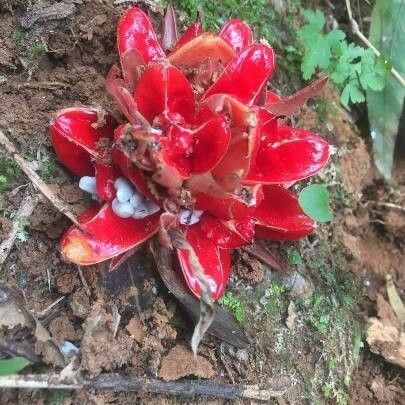
Known as the "Golden Ginger" or "Yellow-flowered Ginger," Zingiber chrysanthum is a hidden gem of the Himalayan foothills. Unlike its humble culinary cousin, this ginger is a true showstopper, flaunting vibrant yellow blooms that look like captured sunlight nestled among lush, tropical foliage. It is a favorite for forest-style gardeners looking to recreate the misty, ethereal atmosphere of an Asian highland jungle.
🔍 How to Identify
- 🌿 Leafy Canopy: It features long, lance-shaped leaves that grow in a graceful, alternating pattern along upright stems, which can reach an impressive height of up to 2 meters.
- 🌼 Golden Blooms: The name "Chrysanthum" literally means "golden flower." It produces bright yellow blossoms that peek out from striking, waxy red or orange-colored bracts located near the base of the plant.
- 🪵 Knobby Rhizomes: Below the surface, it develops thick, aromatic rhizomes (underground stems). While they look like the ginger you find in a grocery store, they are typically more fibrous and intense.
🏡 In Your Garden
- 💧 Humidity is Key: This plant thrives in "jungle-like" conditions. While it loves moisture, its rhizomes are prone to rot if the soil stays soggy. It needs a "breathable" soil mix that allows water to pass through quickly while keeping the air around it damp.
- 🌥️ The Understory Dweller: Because it originates from the dappled light of dense Himalayan forests, it burns easily in direct afternoon sun. It is happiest in the "soft light" of early morning or tucked under the shade of larger trees.
⚠️ Safety & Toxicity
- ✅ Generally Non-Toxic: Zingiber chrysanthum is not known to be poisonous to humans. In fact, many wild gingers have a history of traditional medicinal use.
- 🐾 Pet Sensitivity: While most gingers are considered non-toxic to dogs and cats, the concentrated essential oils in the rhizome can sometimes cause mild stomach upset or drooling if a curious pet decides to dig it up and chew on it.
✨ Fun Fact
- 🍵 A Natural Pharmacy: In the folk medicine of Nepal and Northern India, the juice from the rhizomes of this specific ginger is often used as a traditional remedy for coughs and stomach aches—acting as a true "mountain pharmacy" for those living in the highlands!

Detailed Care Instructions
To grow Zingiber Chrysanthum, also known as the yellow ginger or butter ginger plant, follow these steps:
- Choose a suitable location: Zingiber Chrysanthum prefers a partially shaded spot with indirect sunlight. It can tolerate full sun for a few hours a day, but prolonged exposure may cause leaf burn.
- Prepare the soil: The plant prefers well-draining soil that is rich in organic matter. Amend the soil with compost or well-rotted manure to improve its fertility and drainage.
- Planting: Dig a hole that is slightly larger than the root ball of the Zingiber Chrysanthum plant. Place the plant in the hole, ensuring that the top of the root ball is level with the ground. Backfill the hole with soil, gently firming it around the plant.
- Watering: Keep the soil consistently moist but not waterlogged. Water the plant regularly, especially during dry periods. Mulching the soil around the plant can help retain moisture.
- Fertilization: Apply a balanced slow-release fertilizer or a liquid fertilizer formulated for ginger plants according to the package instructions. Repeat the application every 4-6 weeks during the growing season to promote healthy growth.
- Pruning: Remove any dead or damaged leaves from the plant. Prune back any overcrowded or unruly growth to maintain a neat appearance and allow better airflow.
- Pests and diseases: Zingiber Chrysanthum is generally resistant to pests and diseases. However, mealybugs and aphids can occasionally be a problem. Check the plant regularly and treat with an appropriate insecticide if necessary.
- Propagation: Zingiber Chrysanthum can be propagated through division or rhizome cuttings. Divide the plant during its dormant period in early spring or take rhizome cuttings and plant them in pots, keeping them warm and moist until they grow roots.
- Overwintering: If you live in a region with cold winters, Zingiber Chrysanthum may need protection. Mulch the base of the plant with a thick layer of organic mulch to insulate the roots from frost. Alternatively, you can dig up the rhizomes and store them in a cool, dry place until the following spring.
With proper care and suitable growing conditions, your Zingiber Chrysanthum plant should thrive and produce beautiful yellow flowers.
To water this plant, wait until the top layer of soil is dry to the touch before watering. Be sure to thoroughly soak the soil until water drains out of the bottom of the pot. Avoid letting water sit in the saucer beneath the pot, as this can cause root rot. It's important not to let the soil dry out completely or become waterlogged. In general, aim to provide consistent moisture without overwatering.
To effectively fertilize the Zingiber Chrysanthum plant, follow these instructions:
- Use a balanced, water-soluble plant fertilizer with a nutrient ratio of 10-10-10 or similar. Avoid fertilizers high in nitrogen, as they can promote excessive foliage growth at the expense of flower production.
- Dilute the fertilizer according to the package instructions. Generally, a concentration of 1 teaspoon of fertilizer per gallon of water is suitable.
- Apply the fertilizer solution evenly around the base of the plant, making sure not to spill it on the foliage. This helps prevent burns and foliage damage.
- Repeat the fertilization process every four to six weeks during the growing season, which typically starts in late spring and lasts through early fall. Reduce or cease fertilization during the plant's dormant period in winter.
- Monitor the plant's response to the fertilizer and adjust the frequency or concentration if necessary. Avoid over-fertilizing, as this can lead to nutrient imbalances and harm the plant.
- Water the plant thoroughly after applying the fertilizer to ensure proper nutrient absorption and to prevent any potential root burns.
Note: It's important to consider the specific needs and requirements of your Zingiber Chrysanthum plant, as different plants have varying fertilization requirements. Always consult the plant's care guidelines or a local gardening expert for precise instructions tailored to your specific Zingiber Chrysanthum plant.
For optimal growth and health of the Zingiber Chrysanthum plant, a well-draining soil with a slightly acidic to neutral pH level is recommended. A soil mix that contains a combination of organic matter, such as peat moss or compost, and coarse sand or perlite is ideal. This will provide good aeration and drainage while also retaining some moisture.
The soil should be fertile and rich in nutrients such as nitrogen, phosphorus, and potassium. Adding a slow-release fertilizer to the soil mix before planting can help provide these nutrients over time. Additionally, regularly adding organic matter such as compost or aged manure can help replenish nutrients and improve soil structure.
It is important to avoid soils that are too heavy and compacted, as this can lead to poor drainage and root rot. Additionally, soils that are too alkaline can result in nutrient deficiencies and stunted growth.
Overall, selecting a well-draining, nutrient-rich soil mix that is slightly acidic to neutral in pH will provide optimal growing conditions for the Zingiber Chrysanthum plant.
Zingiber chrysanthum is a plant that belongs to the Zingiberaceae family, which is native to Southeast Asia. This perennial herbaceous plant is valued for its ornamental and medicinal properties. If you want to propagate Zingiber chrysanthum, there are several methods you can follow:
- Division: One of the easiest ways to propagate Zingiber chrysanthum is through division. Carefully dig up the mature plant and separate the rhizomes. Ensure that each division has healthy roots and at least one growing shoot. Replant the divisions in well-draining soil, keeping them at the same depth as the original plant. Water thoroughly and provide adequate sunlight and humidity to encourage new growth.
- Rhizome cuttings: Another method of propagation is by using rhizome cuttings. Select a healthy rhizome from the parent plant and cut it into several pieces, ensuring that each piece has one or two growing buds. Prepare a suitable pot with well-draining soil and plant the rhizome pieces horizontally, burying them just beneath the surface. Water the cuttings gently and keep the soil consistently moist until new shoots emerge.
- Tissue culture: For mass propagation or when dealing with rare varieties, tissue culture can be employed. This is a complex method that involves using agar or liquid nutrient medium to grow plant cells in a controlled environment. The process requires specialized equipment and knowledge, so it is typically carried out in a lab or by experienced professionals.
Regardless of the propagation method chosen, it is essential to provide the Zingiber chrysanthum plant with optimal growing conditions. This plant prefers partial shade or dappled sunlight, as direct sunlight can scorch its delicate leaves. Keep the soil consistently moist but not waterlogged, as excessively wet conditions can lead to root rot. Providing adequate humidity by misting the leaves or using a humidifier can also promote healthy growth.
It's important to remember that Zingiber chrysanthum has specific environmental requirements and may not be suitable for all regions or climates. Before propagating this plant, ensure that you are familiar with its specific needs and that it is legal to grow in your area.








