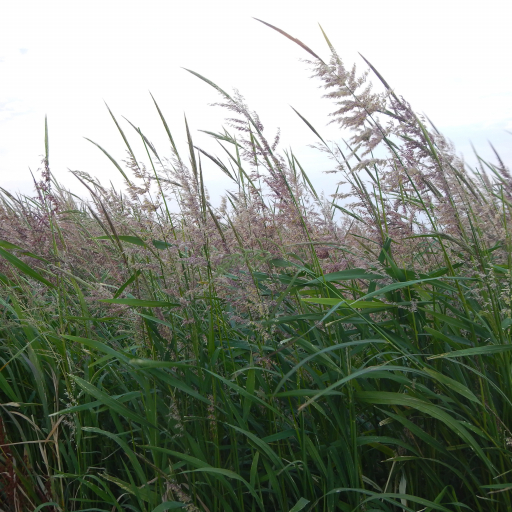
Plant Overview
Often called the "Caviar of Grains," Zizania aquatica is not actually a true rice, but a tall, aquatic grass native to the freshwater marshes of North America. Known as "Manoomin" (the good berry) by the Ojibwe people, it remains a sacred cultural staple that is still traditionally harvested by knocking the ripe grains into birch-bark canoes. This elegant, reed-like plant turns shallow lakes into shimmering golden fields by late summer.
🔍 How to Identify
- 🌾 The Stature: A towering annual grass that can reach heights of 10 feet, with thick, hollow stems that emerge boldly from the water.
- 🍃 The Leaves: Long, flat, sword-shaped blades that can grow up to 4 feet long and nearly 2 inches wide, often featuring a distinctively rough texture.
- 🌸 The Flower Head: A large, multi-branched cluster at the top; the upper branches hold the female flowers (which turn into dark grains), while the lower, spreading branches hold the drooping male flowers.
🏡 In Your Garden & Habitat
- 🌊 Water Requirements: As an "emergent aquatic" plant, it requires its "feet" to be submerged in 6 to 18 inches of slow-moving or still freshwater with a rich, mucky bottom.
- 🌦️ Sensitivity: It is highly sensitive to water level changes. A sudden rise in water can drown the young plants before they reach the surface, while a sudden drop can cause the tall stems to collapse without the water's support.
- 🦆 Ecological Role: In a pond or shoreline setting, it acts as a massive natural filter and provides essential nesting cover for ducks and sanctuary for young fish.
⚠️ Safety & Toxicity
- ✅ Status: Generally safe and highly nutritious. The grains are a prized gourmet food source rich in protein and fiber.
- 🍄 The Ergot Warning: While the plant is safe, it can occasionally be host to Ergot, a dark, horn-shaped fungus that replaces the grain. Ergot is toxic to humans and livestock; always inspect wild-harvested grains for any purplish or black growths.
- 🐾 Pets & Kids: The plant itself is non-toxic to cats, dogs, and children, though the tall, coarse leaves could cause minor skin scratches or a "grass belly" if eaten in large quantities.
✨ Fun Fact
Unlike most commercial crops, wild rice seeds have a built-in "sleep timer." They must spend the entire winter submerged in freezing water (vernalization) to trigger germination in the spring. If the seeds dry out completely during the winter, they usually won't grow at all!

Detailed Care Instructions
To grow Zizania aquatica, commonly known as wild rice, follow these steps:
- Climate: Ensure you are located in a suitable climate for growing wild rice. It thrives in freshwater marshes and along riverbanks in temperatures between 60-85°F (15-30°C).
- Seed selection: Obtain Zizania aquatica seeds from a reputable supplier or collect them from wild rice plants. Ensure the seeds are fresh and have not been overly dried.
- Pre-soak: Soak the seeds in water for 24-48 hours before planting. This process helps to break seed dormancy and encourage germination.
- Site selection: Choose a location with full or partial sun exposure and shallow water depths of 1-3 feet (30-90 cm). The soil should be rich in organic matter and have a pH between 6-7.5.
- Planting: Scatter the pre-soaked seeds directly onto the water surface. They will sink to the bottom and settle into the muddy substrate. Alternatively, you can sprinkle the seeds over prepared soil in marshy areas, ensuring they are slightly covered with soil.
- Water level maintenance: Maintain a water level of around 6-12 inches (15-30 cm) above the soil surface throughout the growing season. Avoid water stagnation or submerging the plants completely, as this can lead to rotting.
- Fertilization: Add organic fertilizer or compost to the planting area to provide essential nutrients to the plants. Avoid using chemical fertilizers that may harm the sensitive ecosystem surrounding the wild rice.
- Weed control: Regularly monitor and manually remove weeds or unwanted plants that may compete with the wild rice for nutrients and sunlight.
- Harvesting: Depending on the variety and growing conditions, wild rice is typically ready for harvest in late summer or early fall. The grains will turn from green to golden-brown when mature. Harvesting involves wading or canoeing through the crop and manually knocking the seeds into the boat or container.
- Storage: After harvesting, dry the seeds thoroughly in sun or with a fan to reduce moisture content. Store the wild rice in a cool, dry place in an airtight container.
Remember, Zizania aquatica is a native plant to North America, and growing it may require specific permits or permissions depending on your location. Ensure you comply with local regulations before planting.

Place in a bright room that is sun drenched almost all day. Or directly in a south-facing window.

To water this plant, you should ensure that the soil is constantly moist, but not waterlogged. It is best to allow the top layer of soil to dry slightly between watering to avoid root rot. When watering, add enough water so that it reaches the roots, but avoid creating standing water on the surface of the soil. You should also avoid letting the plant sit in a saucer of water as this can lead to root rot. This plant benefits from high humidity levels, so misting the leaves daily can be beneficial.
- Begin fertilizing your aquatic plant in the early spring when new growth begins to emerge.
- Use a water-soluble fertilizer formulated for aquatic plants.
- Apply the fertilizer according to the instructions on the label, typically every two weeks.
- Be cautious not to over-fertilize, as excess nutrients can lead to algae blooms and harm the plant.
- Regularly monitor the plant's growth and adjust the fertilizer accordingly.
- During the winter months, reduce or suspend fertilizing to allow the plant to rest.
The best type of soil to use with this plant is a rich and loamy soil that is well-draining and has a pH level between neutral to alkaline. The soil should be able to hold moisture well but not become waterlogged, as this can lead to root rot. The plant prefers to grow in areas with ample sunlight and moderate temperatures, and it can be grown in both wetland and upland environments. When planting this species, it is important to ensure that the soil is free from weeds, debris, and other contaminants that may affect its growth and development. Adding organic matter such as compost or leaf litter to the soil can help improve its fertility and texture, which can encourage healthy growth and vigor of the plant.
Zizania aquatica can be propagated through the use of seeds. Seeds can be collected from mature plants and soaked in water for a few days before planting. The seeds should be planted in moist soil and kept in a warm, humid environment until they sprout.
Another method of propagation is through division. Mature plants can be dug up and divided into smaller sections, each containing a portion of the root system and leaves. These sections can be transplanted into new soil and watered regularly until new growth appears.
Finally, Zizania aquatica can also be propagated through rhizome cuttings. Rhizomes can be cut into sections and planted in wet soil. With regular watering, new shoots will emerge from the cuttings and grow into new plants.








