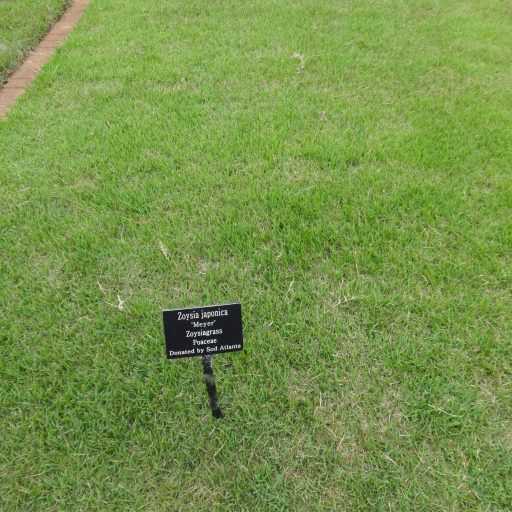
Plant Overview
Often called "Japanese Lawngrass" or "Temple Grass," Zoysia japonica is the gold standard for homeowners seeking a manicured, carpet-like finish. Originating from the coastal regions of East Asia, it has traveled the globe to become a favorite for high-end lawns and luxury golf courses. It is a patient grower that rewards the gardener with a dense, emerald velvet that feels incredibly plush under bare feet.
🔍 How to Identify
- 🍃 Blade Texture: The leaves are narrow, stiff, and slightly hairy near the base. While the blades feel soft in a mass, individual leaves are surprisingly tough.
- 🌱 Growth Habit: It forms a thick, uniform mat so dense that it feels like walking on a heavy outdoor rug. This density naturally chokes out most competing weeds.
- 🎨 Color Transition: In peak season, it exhibits a deep, lustrous green. However, it is famous for its winter dormancy, where it turns a distinct "golden-straw" color at the first sign of a hard frost.
🏡 In Your Garden
- 🧶 The Slow Game: Unlike fast-growing meadow grasses, Zoysia takes its time to establish. Because it grows slowly, you won’t need to mow it as frequently, but you must keep your mower blades sharp to slice through its high-silica, tough fibers.
- 💧 Drought Strategy: It is exceptionally drought-tolerant once established. Instead of dying during dry spells, it simply "curls" its leaves and goes dormant to protect its roots, bouncing back quickly once watered.
- 🧱 Self-Repairing: Because it spreads via both underground stems (rhizomes) and surface runners (stolons), it is excellent at filling in its own bald spots over time without the need for reseeding.
⚠️ Safety & Toxicity
- ✅ Safe for All: Zoysia japonica is non-toxic and is considered completely pet and kid-friendly.
- 🐾 Pollen Note: Like all grasses, it can produce pollen if allowed to go to seed (grow tall), which may trigger hay fever in sensitive individuals, though regular mowing usually prevents this.
✨ Fun Fact
Zoysia is so rugged and dense that it is often the grass of choice for "stadium turf." It is capable of withstanding heavy foot traffic that would leave other grass types muddy and torn, making it the "Iron Man" of the lawn world.

Detailed Care Instructions
To grow Zoysia Japonica plant, you can follow these steps:
- Choose a suitable location: Zoysia Japonica prefers full sun to partial shade. Select an area with well-draining soil, as it doesn't tolerate wet or soggy conditions.
- Prepare the soil: Remove any existing grass, weeds, or debris from the planting area. Loosen the soil using a garden fork or tiller, breaking up any clumps and removing large rocks.
- Improve the soil quality: Zoysia Japonica prefers slightly acidic soil with a pH range of 6-6.5. If your soil is too acidic, add dolomite lime to raise the pH level. If it is too alkaline, add sulfur to lower the pH. Incorporate organic matter like compost or peat moss to improve soil fertility and drainage.
- Plant Zoysia plugs or sod: You can grow Zoysia Japonica from plugs or sod. Plugs are small, rooted pieces of Zoysia grass that will spread and cover the area. Dig small holes spaced about 12-18 inches apart, and insert the plugs into the holes. Sod can be laid directly on the prepared soil, ensuring the edges are tightly overlapped.
- Watering: After planting, water the Zoysia Japonica thoroughly to help establish the roots. Keep the soil moist but not waterlogged during the initial few weeks. As the grass becomes established, water deeply but infrequently. Irrigate deeply once a week, providing about 1 inch of water.
- Fertilization: Apply a slow-release nitrogen-based fertilizer during the growing season, following the instructions on the package. Generally, 1-2 pounds of nitrogen per 1,000 square feet per year is appropriate for Zoysia Japonica.
- Mowing and maintenance: Zoysia Japonica is a low-maintenance grass that requires less frequent mowing compared to other grass varieties. Mow the grass to a height of around 1-2 inches and never remove more than one-third of the leaf blade at a time. Regularly remove fallen leaves and debris from the lawn to maintain its health.
- Weed control: Zoysia Japonica is known for its dense growth, which helps to choke out most weeds. However, if weeds do appear, you can use selective herbicides labeled safe for Zoysia grass.
- Winter care: Zoysia Japonica goes dormant during winter and may turn brown. It is normal for this grass variety, so avoid overseeding with cool-season grasses during this period.
By following these steps, you can successfully grow and maintain Zoysia Japonica in your garden or lawn.

Place in a bright room that is sun drenched almost all day. Or directly in a south-facing window.
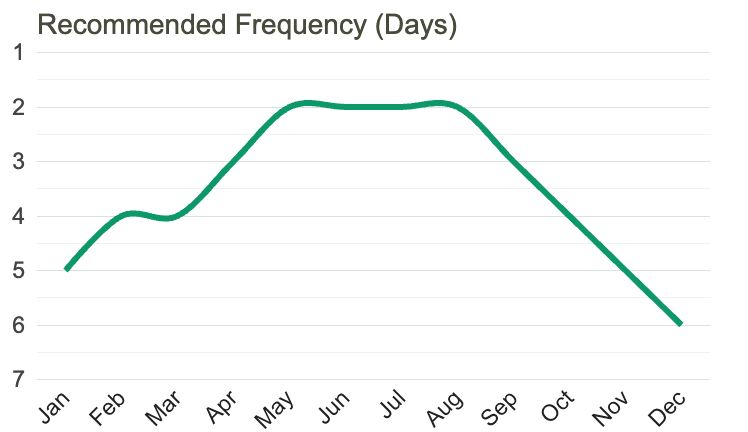
Watering Zoysia Japonica plants is a crucial aspect of maintaining their health and promoting optimal growth. Here are some key detailed guidelines on how to water this particular plant:
1. Frequency: Zoysia Japonica plants require watering approximately once per week during the growing season, which typically ranges from spring to fall. However, the watering frequency may vary depending on factors such as weather conditions, soil moisture levels, and the age of the plant.
2. Water quantity: Each watering session should provide the plant with enough water to penetrate the root zone. Generally, this means applying about 1 to 1.5 inches (2.5 to 3.8 cm) of water per week. This can be achieved either by rainfall or manual irrigation.
3. Deep watering: It's important to water Zoysia Japonica deeply rather than providing frequent shallow watering. This encourages the plant's roots to grow deeper into the soil, making them more resilient and better equipped to withstand drought conditions. To accomplish deep watering, ensure that the water penetrates at least 6 inches (15 cm) into the soil.
4. Time of day: It's best to water Zoysia Japonica early in the morning, preferably between 6 am and 10 am. This timeframe allows the foliage to dry before evening, reducing the risk of fungal diseases caused by extended periods of moisture.
5. Watering technique: Use a gentle, slow watering technique to avoid excessive run-off and ensure the water penetrates deeply into the soil. This can be achieved by using a soaker hose, drip irrigation system, or adjusting the settings on a sprinkler to minimize water wastage.
6. Soil moisture monitoring: Regularly check the soil moisture level to determine when the plant requires watering. You can use a moisture meter, or simply insert your finger into the soil up to the second knuckle. If it feels dry, it's time to water; if it feels moist, wait for a day or two before checking again.
7. Newly planted Zoysia Japonica: Newly planted Zoysia Japonica requires more frequent watering initially to help establish their root systems. Water them every 2-3 days for the first month, gradually increasing the interval to once a week as they become more established.
Remember, these guidelines provide a general framework for watering Zoysia Japonica plants, but it's essential to consider local climate conditions, soil type, and the specific needs of the plant. Always monitor the plant's response to watering and adjust the frequency or quantity as needed to ensure optimum growth and health.
To fertilize your Zoysia Japonica plant, follow these instructions:
- Choose a balanced, slow-release fertilizer specifically formulated for turfgrass or Zoysia grass.
- Read the instructions on the fertilizer bag carefully to determine the recommended application rate per square foot or per area based on your Zoysia's size or growth stage.
- Apply the fertilizer evenly over the entire planting area, preferably using a broadcast spreader or a handheld spreader. Divide the calculated amount into two equal portions and apply half in a horizontal pattern and the other half in a vertical pattern to ensure even coverage.
- Water the area immediately after fertilizing to help the granules dissolve and prevent them from sitting on the blades, which may cause damage.
- Repeat the fertilization process according to the recommended schedule on the fertilizer package, typically every 6-8 weeks during the growing season. Adjust the frequency and rate of application based on the specific needs of your Zoysia Japonica plant.
- Avoid fertilizing during periods of drought or extreme heat, as this may stress the grass and lead to burn or damage. Instead, consider watering the lawn deeply before applying fertilizer and ensuring it receives adequate moisture afterwards.
- Keep an eye on your plant's response to the fertilizer. If you notice excessive growth or signs of nutrient deficiencies, adjust the fertilization regimen accordingly or seek advice from a local horticulturist or turfgrass specialist.
Remember to refer to the specific instructions provided by the manufacturer of the fertilizer you choose, as variations in formulation and recommendations may exist.
When selecting soil for the Zoysia Japonica plant, it is important to choose a type that meets the specific requirements of this particular species. The ideal soil for Zoysia Japonica is well-draining and loamy in nature, providing a balanced combination of moisture retention and proper soil aeration.
The soil should have a pH level slightly on the acidic side, ranging from 5.8 to 6.5, which ensures optimal nutrient availability for the plant's growth and development. It should be rich in organic matter, such as compost or well-rotted manure, to provide essential nutrients and improve soil structure.
Furthermore, the soil should have good water-holding capacity to prevent excessive moisture loss while allowing excess water to drain away efficiently, safeguarding the roots from waterlogging or rot. This characteristic is particularly essential in areas with heavy rainfall or in regions prone to waterlogging.
Zoysia Japonica prefers soil that is moderately fertile, as excessively rich soils can lead to excessive leaf growth and reduced overall vigor. Therefore, it is important to strike a balance in soil fertility to support healthy growth without encouraging excessive vegetative growth.
Lastly, it is recommended to avoid heavy clay soils that tend to compact easily, hindering root growth and water movement. Similarly, sandy soils that drain too quickly may require more frequent watering to maintain adequate soil moisture levels for the Zoysia Japonica.
By selecting and preparing the appropriate soil for Zoysia Japonica, you can ensure an optimal environment for this plant to thrive.
To propagate Zoysia Japonica, follow these steps:
- Prepare the soil: Choose a sunny location with well-draining soil that is free from weeds and debris. Loosen the soil to a depth of 4-6 inches.
- Collect seeds: Zoysia Japonica produces seed heads in the late summer or early fall. Wait until the seed heads turn brown and collect them by cutting the entire seed head.
- Seed preparation: Remove the seeds from the seed heads and place them in a bowl. Add water and stir gently to separate any husk or debris from the seeds. Drain and repeat this process a few times until the seeds are clean.
- Scarification: Some gardeners recommend scarifying the seeds to enhance germination rates. This can be done by rubbing the seeds between two sheets of sandpaper or gently nicking them with a knife. Be careful not to damage the seed embryo.
- Pre-germination: Fill a container with moistened peat moss, vermiculite, or a seed-starting medium. Place the scarified seeds on the surface, ensuring they are not overcrowded. Cover the container with a plastic bag or a dome to create a humid environment.
- Germination: Keep the container in a warm location, ideally between 70-80°F (21-27°C). Avoid direct sunlight. Mist the seeds with water regularly to maintain moisture levels in the growing medium. Germination can take anywhere from 7 to 21 days.
- Transplanting: Once the seeds have sprouted and reached a height of 1-2 inches, they are ready for transplanting. Choose a well-prepared site and ensure the soil is moist. Using a small trowel or your fingers, carefully transplant the seedlings, spacing them appropriately to allow for their growth.
- Watering and care: After transplanting, provide regular water to keep the soil consistently moist. Avoid overwatering, as it may cause root rot. Gradually reduce watering frequency once the seedlings establish and start showing signs of new growth.
- Maintenance: Zoysia Japonica requires regular mowing and occasional fertilization to maintain its optimal health and appearance. Follow recommended guidelines for mowing height and fertilization schedules specific to this variety.
By following these steps, you can successfully propagate Zoysia Japonica and enjoy its lush, green growth in your garden or landscape.








