Info
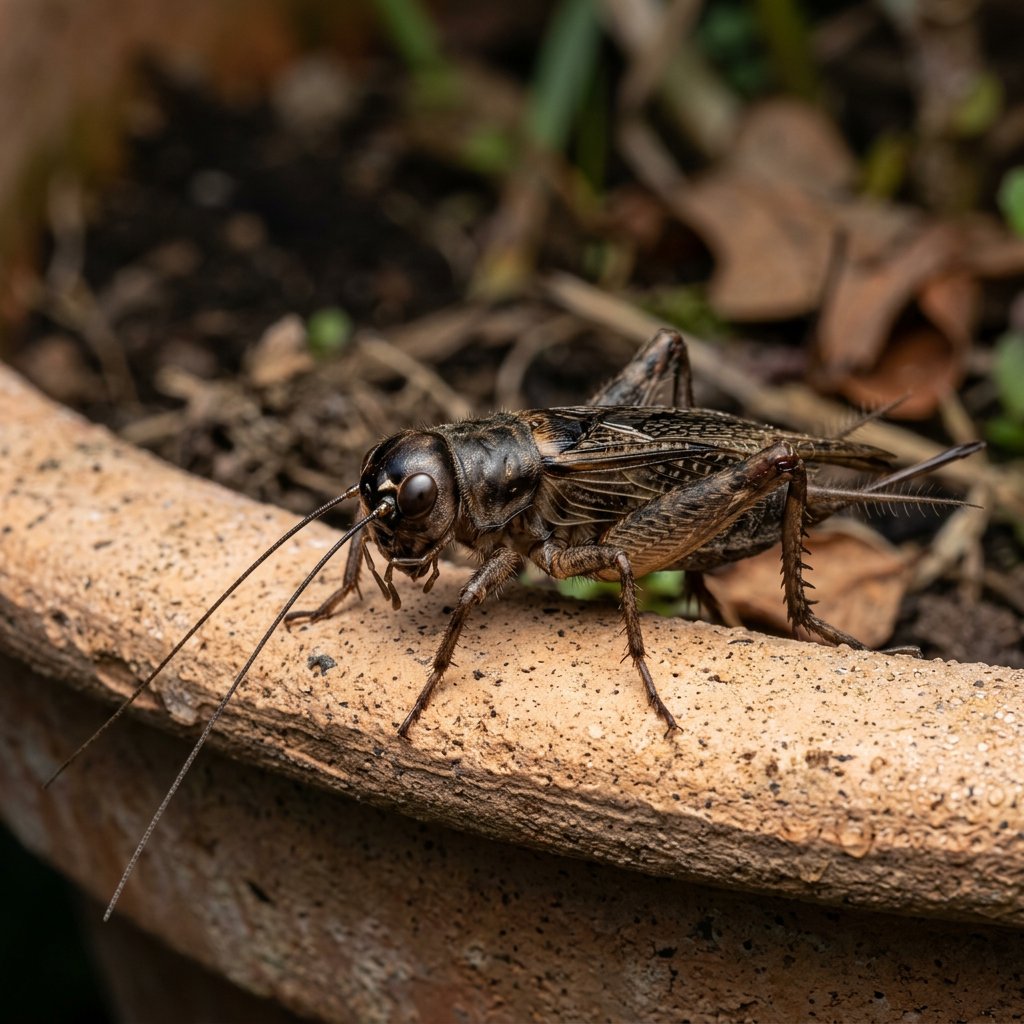
The quintessential "hearth cricket," Acheta domesticus is the tiny musician often found hiding behind radiators or tucked away in warm basements. Known worldwide as the House Cricket, these insects have traveled from Western Asia to every corner of the globe. In many cultures, they are considered a sign of good luck, while to others, they are simply the persistent, invisible soundtrack of a summer night.
🔍 How to Identify
- 🎨 Color Palette: They are typically a light yellowish-brown or "straw" color, which provides excellent camouflage in dry grass or dusty indoor corners.
- 🦓 Head Markings: Look for three distinct dark crossbands on the top of the head, positioned between the eyes—this is their most identifying feature.
- 🪽 Wing Structure: They possess long, leathery wings folded flat against their back. While they are capable of short flights, they prefer to use their powerful hind legs to leap away from danger.
🌲 Habitat & Ecology
- 🏠 Domestic Bliss: As the name domesticus suggests, these crickets have a unique affinity for human structures. They are drawn to warmth and moisture, often seeking refuge in kitchens, bakeries, or near heating ducts when the outdoor temperature drops.
- 🍽️ The Ultimate Scavenger: They are true omnivores with a very flexible diet. In the wild, they eat decaying plant matter and other insects; inside a home, they might snack on crumbs, pet food, or even natural fabrics like wool and silk.
⚠️ Safety & Toxicity
- 🛡️ Non-Threatening: House crickets are completely harmless to humans and pets. They do not sting, and while they have mouthparts for chewing, they are not aggressive and rarely bite unless handled very roughly.
- 🧶 Minor Nuisance: The only real "danger" they pose is to your property. In rare cases of infestation, they can nibble on paper, clothing, or wallpaper glue. They are also famous for "noise pollution," as a single male can be surprisingly loud when searching for a mate.
✨ Fun Fact
🌡️ Nature’s Thermometer: You can actually tell the temperature by listening to their chirps! According to Dolbear’s Law, if you count the number of chirps in 15 seconds and add 40, you’ll get a surprisingly accurate estimate of the outdoor temperature in Fahrenheit.
More Details








