Info
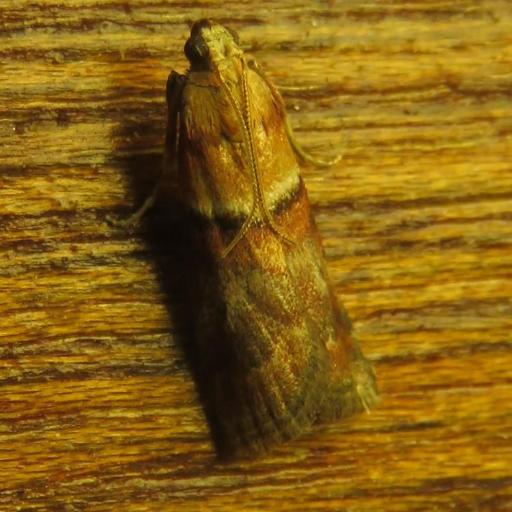
Known as the Warted Knot-horn, this small but intricate moth is a master of camouflage. Often overlooked by the casual observer, it carries a name that sounds like something out of a fantasy novel, referring to the unique raised scales on its wings that help it blend into the rough textures of forest bark. It is a common resident of oak woodlands across Europe, playing its part in the quiet lifecycle of the forest canopy.
🔍 How to Identify
- 🦋 Textured Wings: The forewings are a mottled mix of grey, white, and reddish-brown, featuring distinct tufts of raised scales (the "warts") that break up its silhouette.
- 📐 Triangular Profile: When resting, it holds its wings in a steep, tent-like shape, making it look more like a piece of lichen or a broken twig than an insect.
- 📏 Pale Banding: Look for a pale, slightly curved band near the base of the wings, which is a key distinguishing mark for this specific species of Acrobasis.
🌲 Habitat & Ecology
- 🌳 The Oak Specialist: This moth is deeply tied to oak trees (Quercus). The larvae (caterpillars) live in silk-lined "apartments" they spin between oak leaves, where they feed safely tucked away from predators.
- 🌙 Night Flyer: Adult moths are strictly nocturnal and are most active during the mid-summer months (July and August). During the day, they hide in plain sight on tree trunks or among foliage.
⚠️ Safety & Toxicity
- ✅ Harmless: The Warted Knot-horn is completely safe for humans, children, and pets. It does not sting, bite, or possess any irritating hairs.
- 🍃 Garden Status: While the caterpillars do eat oak leaves, they are "solitary feeders" and never gather in large enough numbers to damage or defoliate a healthy tree. They are a sign of a healthy, biodiverse ecosystem.
✨ Fun Fact
To avoid being eaten by birds, the Warted Knot-horn doesn't just hide—it mimics. Its coloring and "warty" texture are designed to perfectly replicate bird droppings or small patches of lichen, a survival strategy known as "masquerade" camouflage!
More Details








