Info
Known commonly as the Asian Tiger Mosquito, Aedes albopictus is one of the most recognizable—and persistent—insects in the world. While you may have been looking for a plant, this "tiger" is actually a strikingly patterned mosquito named for its bold stripes. Originally from the tropical forests of Southeast Asia, it has hitchhiked across the globe, becoming a frequent (and often uninvited) guest in suburban backyards and gardens.
🔍 How to Identify
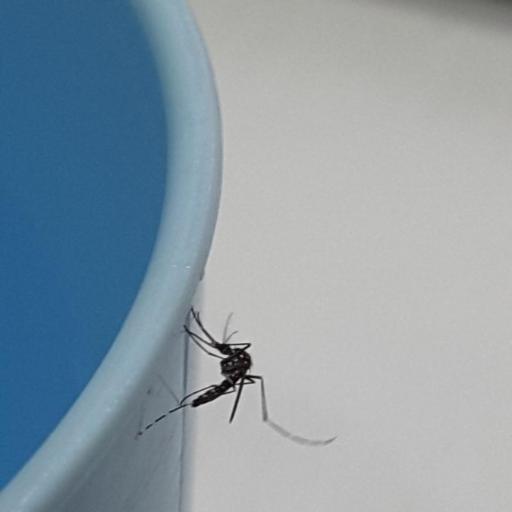
- stripes 🦓 The "Tiger" Pattern: Its most distinct feature is the jet-black body adorned with bright white scales, creating a high-contrast striped appearance on its legs and abdomen.
- 📍 The Silver Streak: Look for a single, sharp white stripe running down the center of its back (thorax). This distinguishes it from its cousin, the Yellow Fever Mosquito, which has a lyre-shaped mark.
- 🦟 Resting Posture: When at rest, it often holds its hind legs high in the air, twitching them slightly as it scans for its next target.
🌲 Habitat & Ecology
- 💧 Container Specialist: Unlike many mosquitoes that prefer large swamps, the Asian Tiger Mosquito is a "container breeder." It loves tiny pockets of water found in upturned flowerpots, birdbaths, clogged gutters, or even discarded bottle caps.
- ☀️ Daytime Hunter: While many mosquitoes wait for dusk, this species is most active and aggressive during the day, particularly in the early morning and late afternoon.
- 🌿 Garden Dweller: It prefers shady areas with thick vegetation, where it hides under leaves to stay cool and humid between meals.
⚠️ Safety & Toxicity
- 🚫 Health Risk: This insect is considered a "vector," meaning it can carry and transmit several viral diseases, including Dengue fever, Zika virus, and West Nile virus.
- 🦟 The Bite: Its bite often causes localized swelling, redness, and intense itching. Because they are "persistent biters," they may bite one person multiple times or move between several people to get a full meal.
- 🛡️ Prevention: To keep your garden safe, focus on "Tip and Toss"—empty any standing water every few days to break their breeding cycle.
✨ Fun Fact
The Asian Tiger Mosquito didn't fly across the ocean on its own; it conquered the world primarily through the international trade of used tires! The tires held small pockets of rainwater that protected the mosquito's incredibly hardy eggs during long sea voyages.
More Details








