Info
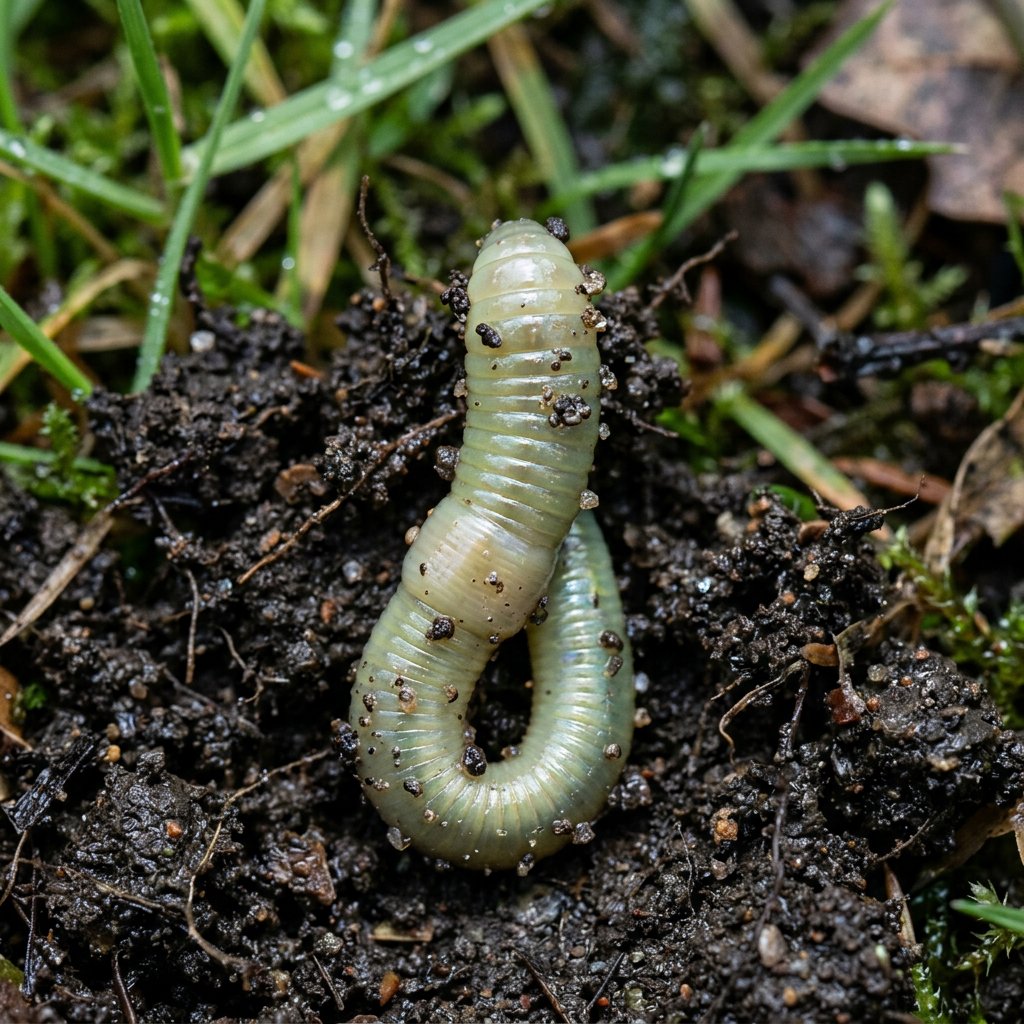
Often called the Green Earthworm, Allolobophora chlorotica is one of the most common soil-dwellers you’ll find in temperate gardens. While it might look like a small caterpillar at first glance, it is actually a highly beneficial annelid that acts as a silent gardener beneath your feet.
🔍 How to Identify
- 🟢 Distinctive Color: Unlike the common pink earthworm, this species is frequently a dull, greenish-yellow or "olive" hue, though pale pink variations do exist.
- 🌀 The "C-Shape" Habit: When disturbed or handled, this worm has a unique habit of curling itself into a tight, sluggish coil or "C" shape rather than wiggling away quickly.
- 📏 Compact Build: It is relatively short and stout compared to the long "Nightcrawler," usually reaching only 3 to 7 centimeters in length.
🌲 Habitat & Ecology
- 🍂 Mineral Soil Lover: These worms prefer damp, heavy soils rich in minerals. You are most likely to find them tucked under large stones, logs, or deep within the root mats of your lawn.
- 🚜 Soil Aerator: As they tunnel, they create tiny channels that allow oxygen and water to reach plant roots. They are considered "endogeic" worms, meaning they live in the upper layers of the soil and rarely come to the surface.
- 🐌 Sluggish Nature: Unlike the frantic "Wiggler" worms used for composting, the Green Earthworm moves very slowly, making it an easy target for observant birds like Robins.
⚠️ Safety & Toxicity
- ✅ Harmless Friend: This creature is completely non-toxic and lacks any stingers, mandibles, or defensive chemicals. It is a "friend" to every gardener.
- 🐾 Safe for Pets: If your dog or cat happens to dig one up, there is no cause for alarm. They are biologically safe for curious pets and are a vital protein source for backyard wildlife.
✨ Fun Fact
The Green Earthworm is a master of "Aestivation"—a form of summer hibernation. If the soil becomes too dry or hot, they tie themselves into a knot and enter a dormant state until the rain returns to wake them up!
More Details








