Info
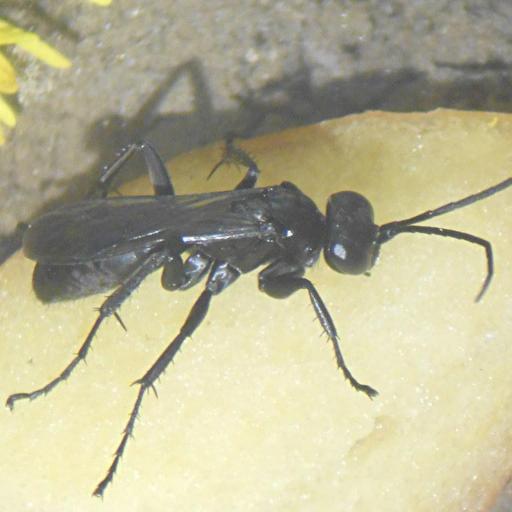
Often called the Black Spider Wasp, Anoplius nigerrimus is a sleek, midnight-colored acrobat of the insect world. While its solid black silhouette might seem intimidating, this solitary wasp is a fascinating garden guest with a very specific mission: hunting spiders. It is a master of stealth and speed, often seen darting across the ground with a nervous, flickering energy.
🔍 How to Identify
- 🖤 Coloration: Its entire body is a deep, matte black, living up to its Latin name nigerrimus, which translates to "very black."
- 🦵 The Legs: It possesses notably long, spindly legs equipped with tiny spines, which help it grapple with prey and navigate rough terrain.
- ✈️ Wing Action: When it moves, it frequently flicks its dark-tinted wings in a rapid, twitchy motion—a classic behavioral trait of the spider wasp family.
🌲 Habitat & Ecology
- 🕸️ The Spider Hunter: This insect is a specialist predator. Females hunt spiders, paralyzing them with a precision sting before dragging them back to a burrow or crevice to serve as a living larder for their larvae.
- 🌸 Sugar Rush: While the larvae eat spiders, the adults are actually peaceful nectar-drinkers. You’ll often find them visiting flowers like Wild Carrot or Angelica to fuel their high-energy lifestyle.
- 🏡 Garden Role: They are excellent natural pest controllers. By keeping local spider populations in balance, they play a vital role in the health of your backyard ecosystem.
⚠️ Safety & Toxicity
- 🐝 Status: Generally non-aggressive. Like most solitary wasps, they have no hive to defend and are very unlikely to sting unless they are stepped on or squeezed.
- 🧤 Details: If a sting does occur, it can be sharp and painful, similar to a honeybee sting, but the venom is not considered medically significant for humans. Keep a respectful distance if you see them dragging prey, and they will leave you alone.
✨ Fun Fact
Unlike many other wasps that build elaborate paper nests, Anoplius nigerrimus is an opportunist; it often uses pre-existing hollows in stone walls, beetle borings in wood, or even empty snail shells to house its young!
More Details








